
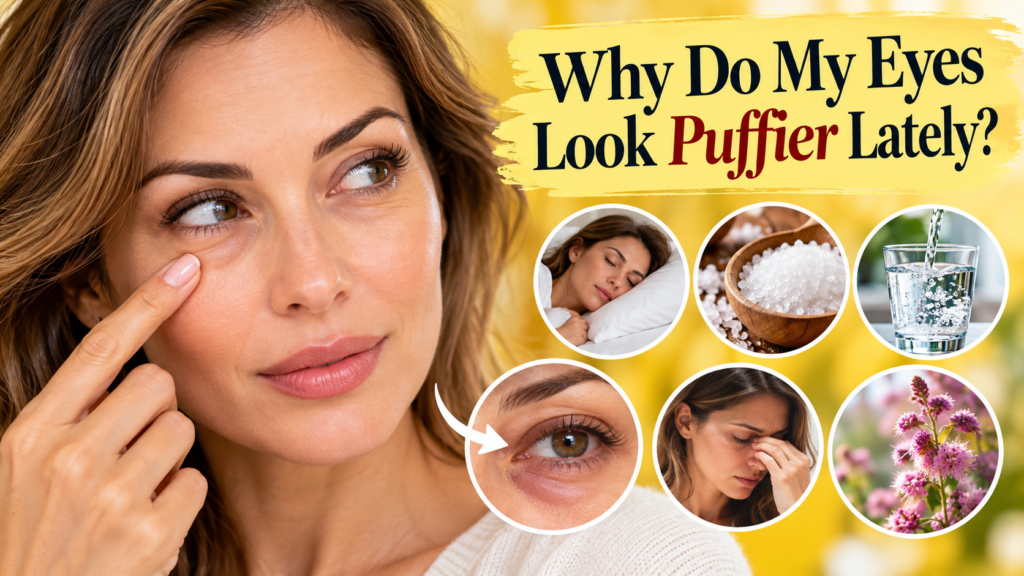
Have you ever looked in the mirror and wondered why your eyes suddenly appear more tired, swollen, or aged than they did before? Even when you have had a normal night of sleep, the delicate skin around your eyes can sometimes look noticeably puffier.
The eye area is one of the first places where changes in hydration, lifestyle, skin elasticity, and the natural aging process can become visible. Dark circles, fine lines, puffiness, and a tired-looking appearance can all make you feel as though you look older than you actually are.
So, what could be behind that change?
Here are 10 common reasons your eye area may look puffier than usual—and what you can consider as part of a broader approach to healthier-looking, more youthful-looking skin.
1. You Didn’t Get Enough Quality Sleep
One of the most obvious reasons for puffy eyes is poor sleep.
When you are tired, fluid can accumulate around the delicate tissues beneath and around the eyes. This can make the area appear swollen, heavier, and less refreshed.
Occasional puffiness after a late night is usually easy to understand, but consistently poor sleep can also contribute to a generally tired appearance.
Creating a regular sleep routine may help your eyes look more refreshed over time.

2. Your Diet May Be Higher in Salt
A salty meal can sometimes leave you looking a little different the following morning.
Sodium can encourage the body to retain fluid, and some of that fluid may become more noticeable around the eyes. Because the skin in this area is particularly thin, even relatively small changes can be visible.
If you frequently notice morning puffiness, consider whether particularly salty meals or processed foods tend to coincide with it.
3. You May Not Be Properly Hydrated
Hydration plays an important role in how skin looks and feels.
When your body is not getting enough fluids, your skin can appear less plump and refreshed. Fine lines may also become more noticeable, while the contrast between shadows and the natural contours around the eyes can make tired-looking eyes stand out.
Drinking enough water throughout the day is a simple part of supporting your overall skin routine.
4. Seasonal Allergies Can Affect Your Eye Area
Allergies can be another reason your eyes suddenly look different.
Environmental allergens may cause irritation, watering, rubbing, or temporary swelling around the eyes. Frequent rubbing can also make the delicate area appear more irritated.
If puffiness tends to appear during particular seasons or alongside other allergy symptoms, environmental factors may be worth considering.
5. You’re Spending More Time Looking at Screens
Long periods of screen time can leave your eyes feeling tired and strained.
While screen use is not necessarily the direct cause of permanent under-eye puffiness, staring at screens for extended periods can contribute to an overall tired appearance. People may also blink less frequently while concentrating, which can make their eyes feel dry or uncomfortable.
Taking regular breaks and giving your eyes time away from screens can be helpful for general eye comfort.

6. Your Skin Is Naturally Losing Elasticity
As we age, skin gradually changes.
The production of structural proteins such as collagen naturally declines over time. Collagen helps provide skin with structure and support, while other components contribute to firmness and elasticity.
Because the skin around the eyes is thin and delicate, age-related changes can become particularly noticeable here.
This can make fine lines, looseness, shadows, and puffiness appear more prominent than they once did.
7. Changes in Collagen Can Affect the Look of Aging Skin
Collagen is frequently discussed in skincare because of its relationship with skin structure.
As collagen levels naturally decline with age, skin can gradually become less firm and resilient. This does not happen overnight, but the cumulative effect can contribute to visible signs of aging.
That is one reason collagen-focused beauty routines have become popular among people looking to support the appearance of firmer, smoother, more youthful-looking skin.
8. Your Sleeping Position May Contribute to Morning Puffiness
Sometimes, the explanation is surprisingly simple.
Spending several hours lying flat can allow fluid to collect around the face, particularly around the eye area. Some people notice that their eyes look puffier immediately after waking and become less swollen as the day progresses.
Paying attention to when your puffiness appears can provide a useful clue about what may be contributing to it.
9. Stress Can Show Up on Your Face
Stress can influence many aspects of your daily routine, including sleep, eating habits, hydration, and general self-care.
When several of these factors are disrupted at the same time, your face may begin to look more tired. The eye area can be particularly noticeable because the skin is so delicate.
Managing stress, getting sufficient rest, staying hydrated, and maintaining a consistent skincare routine can all form part of a more complete approach to looking refreshed.
10. Your Skin May Simply Be Changing With Age
Sometimes there is no single cause.
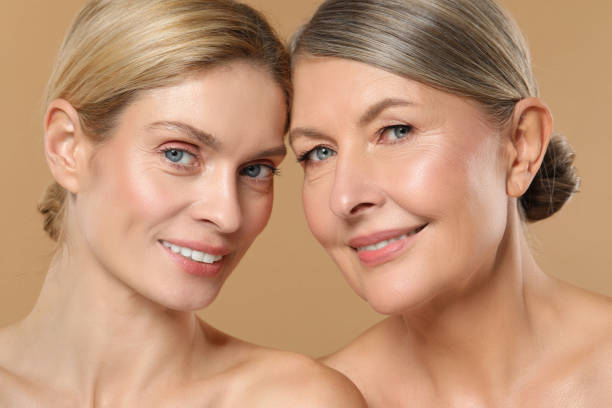
The appearance of the eye area can change because of a combination of genetics, age, lifestyle, hydration, sleep, sun exposure, and gradual changes in skin structure.
Fine lines may become more visible. Skin may lose some of its previous firmness. Shadows beneath the eyes may become more pronounced. Puffiness that once disappeared quickly may also seem more noticeable.
Understanding that these changes are a normal part of aging can make it easier to focus on realistic skincare goals rather than searching for an instant fix.
Where Does Kollagen Intensiv Fit In?
If your beauty routine is already focused on supporting the appearance of healthier, more youthful-looking skin, you may come across collagen-focused products such as Kollagen Intensiv.
Kollagen Intensiv can be considered as one part of an overall beauty routine focused on skin appearance and hydration. Rather than viewing a collagen product as a quick solution for puffy eyes, it makes more sense to consider it alongside everyday habits such as adequate sleep, hydration, balanced nutrition, sun protection, and consistent skincare.
The potential appeal of a collagen-focused routine is its broader focus on the appearance of aging skin rather than targeting only one visible concern.
It is also important to keep expectations realistic. A beauty supplement or skincare product cannot eliminate every cause of eye puffiness, and individual results can vary.

A More Complete Approach to Tired-Looking Eyes
If your eyes have started looking puffier than usual, it may be worth looking beyond your skincare cabinet.
Consider the bigger picture:
- Are you getting enough quality sleep?
- Are you drinking enough water?
- Has your diet changed recently?
- Are seasonal allergies affecting you?
- Are you spending long periods in front of screens?
- Are you noticing normal age-related changes in skin texture and elasticity?
- Is your current beauty routine supporting your overall skin goals?
Small improvements across several areas may be more meaningful than relying on one product alone.
Final Thoughts
Puffy eyes do not always mean that something is wrong with your skin. Sometimes the cause is temporary, such as a poor night’s sleep, a salty meal, dehydration, allergies, or simply waking up after several hours lying down.
At other times, changes in collagen, elasticity, and skin structure can make puffiness and fine lines more noticeable as you get older.
The most sensible approach is to look at the complete picture. Supporting healthy lifestyle habits, maintaining consistent skincare, protecting your skin from environmental damage, and considering collagen as part of an overall beauty routine can all contribute to healthier-looking skin over time.
And when your eye area looks tired, remember that one morning in the mirror does not tell the whole story. Skin changes gradually—and so can the way you care for it.
Want more ways to care for your eyes? Subscribe for simple, practical tips
and helpful advice.