

Have you ever looked in the mirror after a full night’s sleep and still felt like your eyes looked tired? Dark circles, under-eye puffiness, fine lines, and dull-looking skin can make your face appear more fatigued than you actually feel.
The good news is that your daily habits may influence how refreshed your eye area looks. While some concerns are linked to genetics, natural aging, and skin structure, simple changes to your skincare routine, hydration, sleep, and overall lifestyle may help support a healthier-looking appearance.
As collagen production gradually decreases with age, the delicate skin around your eyes can also become more susceptible to visible fine lines and changes in elasticity.
In this article, we’ll explore 7 everyday habits that could help your eyes look more awake, along with how collagen and skin-supporting routines fit into your overall beauty strategy.
1. Prioritize Consistent, Quality Sleep
One of the first things to consider when your eyes look tired is your sleep routine.
Insufficient or irregular sleep can contribute to a fatigued appearance, including noticeable puffiness and changes in the skin around your eyes. Although sleep alone cannot eliminate every cause of dark circles, maintaining consistent rest may help you look and feel more refreshed.
Most adults benefit from approximately 7–9 hours of sleep each night, although individual needs vary.
Try developing a regular sleep schedule by:
- Going to bed and waking up at similar times.
- Limiting screen exposure before bedtime.
- Creating a comfortable, relaxing sleeping environment.
- Avoiding habits that interfere with restful sleep.
A consistent sleep routine supports your overall well-being and may contribute to a more refreshed-looking face.
2. Keep Your Skin Properly Hydrated
Does the skin beneath your eyes sometimes look dry, creased, or less smooth than usual?
Dehydrated skin can make fine lines appear more noticeable, particularly around areas with naturally thin skin. The delicate eye area requires gentle care because it is more sensitive than many other parts of your face.
Drinking enough water throughout the day supports normal bodily functions. At the same time, applying a suitable moisturizer can help maintain the skin’s surface hydration.
Look for skincare products designed for your skin type, particularly if you experience dryness around your eyes.
Hydration won’t reverse natural aging or remove dark circles caused by genetics, but it can be a useful part of maintaining a smoother, healthier-looking complexion.

3. Protect Your Eyes and Skin From Sun Exposure
Your daily sun protection habits can influence how your skin ages over time.
Ultraviolet (UV) radiation contributes to premature skin aging and can affect collagen and elastin, which help support the skin’s structure and elasticity.
Because the skin around your eyes is delicate, protecting this area is especially important.
Consider incorporating these habits into your routine:
- Apply broad-spectrum sunscreen as directed.
- Wear sunglasses that provide UV protection.
- Use a hat when spending extended periods outdoors.
- Avoid deliberately tanning your face.
Consistent sun protection can help reduce cumulative UV-related skin damage and support healthier-looking skin as you age.
It won’t eliminate existing wrinkles, but prevention is an important part of long-term skincare.

4. Avoid Rubbing Your Eyes Frequently
Rubbing your eyes might seem harmless, especially when you’re tired, dealing with allergies, or experiencing irritation.
However, frequent rubbing can irritate the delicate skin surrounding your eyes. Repeated mechanical friction may also contribute to temporary redness and discomfort.
If your eyes feel itchy or irritated, consider identifying potential triggers, such as allergies, dryness, or environmental irritants.
Gentle skincare practices are particularly valuable around the eye area.
Instead of pulling or rubbing the skin, use light movements when applying moisturizer or removing makeup. If you experience persistent eye irritation, consult an appropriate healthcare professional.
Small changes in how you treat this sensitive area can help support your overall eye-care routine.
5. Include Nutrient-Rich Foods in Your Diet
Your skin’s appearance is influenced by more than the products you apply externally.
Your body requires a variety of nutrients to support normal skin function, including those involved in collagen production and tissue maintenance.
A balanced diet containing protein, fruits, vegetables, and other nutrient-rich foods can help provide the building blocks your body needs.
Some nutrients relevant to skin health include:
- Vitamin C: Supports normal collagen formation and helps protect cells from oxidative stress.
- Protein: Provides amino acids needed for maintaining body tissues.
- Healthy fats: Contribute to overall nutritional balance and support normal bodily functions.
- Water-rich foods: Can contribute to daily fluid intake.
No single food can guarantee younger-looking eyes. However, consistently supporting your nutritional needs can be a valuable part of a broader approach to healthy skin.
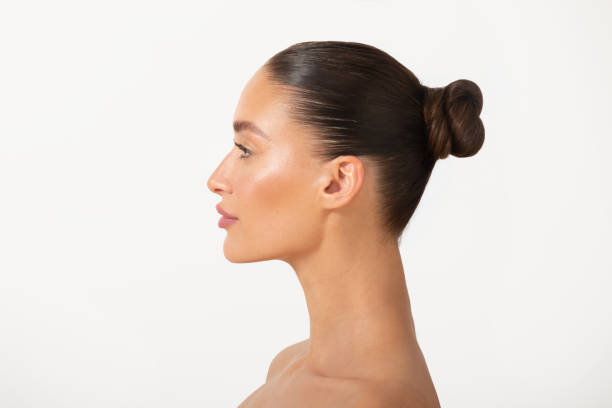
6. Consider How Collagen Fits Into Your Beauty Routine
Collagen is a structural protein found throughout the body, including the skin. It helps provide support and contributes to the skin’s firmness and structure.
As we age, the body’s collagen production naturally declines. This process, combined with environmental exposure and other factors, can contribute to changes in skin elasticity and the appearance of fine lines.
The skin around your eyes is particularly delicate, which means signs of aging may become noticeable in this area.
While skincare products can help moisturize and protect the skin’s surface, some people also explore collagen supplements as part of their beauty routines.
Kollagen Intensiv is one option people may consider when looking to incorporate collagen-focused supplementation into their skincare approach.
Collagen supplements typically contain collagen peptides or other forms of collagen-derived ingredients. Research suggests that some oral collagen supplements may support improvements in certain measures of skin hydration and elasticity, although results vary between studies and individuals.
It’s important to maintain realistic expectations. Collagen supplements are not guaranteed to remove dark circles, eliminate eye bags, or reverse wrinkles. Their effects can depend on factors such as the specific formulation, dosage, duration of use, and individual circumstances.
Kollagen Intensiv should be considered as a potential complement to a consistent beauty routine, rather than a replacement for sun protection, balanced nutrition, or appropriate skincare.

7. Create a Gentle, Consistent Eye-Care Routine
Sometimes, the biggest difference in your skincare habits comes from consistency rather than complexity.
You don’t necessarily need a large collection of products to care for the delicate skin around your eyes. A simple routine that focuses on hydration, protection, and gentle application may be easier to maintain over time.
Depending on your skin’s needs, your routine could include:
- Gently cleansing your face.
- Applying a suitable moisturizer.
- Using sunscreen during the day.
- Removing makeup without excessive rubbing.
- Maintaining a consistent evening skincare routine.
If you’re concerned about fine lines, look for products with ingredients supported by appropriate evidence for your specific skincare goals. Introduce new products carefully, particularly around the sensitive eye area.
Remember that dark circles and puffiness have many possible causes, including genetics, pigmentation, allergies, and natural anatomy. A skincare routine may improve certain aspects of appearance without addressing every underlying cause.
Why Your Eyes May Need More Than Skincare
Your eyes can look tired for several different reasons, and identifying the likely cause can help you choose more realistic solutions.
For example, temporary puffiness may be associated with sleep patterns, fluid retention, or allergies. Dark circles may relate to pigmentation, genetics, visible blood vessels, or shadows created by the natural structure beneath the eyes.
Fine lines, meanwhile, can become more noticeable as skin elasticity changes with age.
This is why taking a broader approach can be useful. Instead of relying on one product or habit, consider how sleep, nutrition, hydration, sun protection, and skincare work together.
A collagen supplement such as Kollagen Intensiv may fit into this routine for people interested in supporting their skin from within, but it should not be viewed as a guaranteed solution for every eye-area concern.

Final Thoughts: Small Habits Can Support a Refreshed Appearance
Making your eyes look more awake isn’t always about finding a miracle product. Your daily habits, skincare choices, sleep quality, and natural skin characteristics all play a role in how your eye area looks.
From protecting your skin against UV exposure to maintaining hydration and exploring collagen supplementation, there are several ways to build a thoughtful beauty routine.
The key is consistency and realistic expectations. You may not be able to change every feature that contributes to tired-looking eyes, but supporting your skin’s health and treating the delicate eye area gently can be worthwhile.
Whether you choose to focus on lifestyle improvements, skincare products, or a collagen supplement such as Kollagen Intensiv, aim for an approach that fits your needs and supports your long-term beauty goals.
Want to make eye care part of your routine? Subscribe for more simple tips and
helpful advice.