
Your eyes can make you look tired, stressed, or older than you actually feel. Sometimes the problem isn’t simply your skincare routine. Everyday habits—from how you sleep to how you treat the delicate skin around your eyes—can gradually affect its appearance.
The skin around the eyes is thinner and more delicate than much of the skin on your face. That makes it particularly noticeable when hydration decreases, elasticity changes, fine lines develop, or puffiness appears.
The good news is that small, consistent habits may help your eye area look fresher and more rested. Here are 10 simple habits worth considering if you’re concerned about dark circles, puffy eyes, fine lines, or an increasingly aged appearance.
1. Make Quality Sleep a Priority
A poor night’s sleep can quickly show around your eyes.
Lack of sleep may contribute to a tired appearance, temporary puffiness, and more noticeable dark circles. While everyone’s sleep needs are different, maintaining a consistent sleep schedule can be helpful for overall skin and body health.
Instead of focusing only on how many hours you sleep, consider creating a regular bedtime routine that makes quality sleep easier to maintain.

2. Stay Consistently Hydrated
Dehydrated skin can appear dull, dry, and less plump, which can make fine lines around the eyes more noticeable.
Drinking enough fluids throughout the day supports normal hydration, while a suitable moisturizer can help reduce moisture loss from the skin’s surface.
Hydration won’t stop the natural aging process, but keeping your skin properly moisturized can make the eye area appear smoother and more comfortable.
3. Be Gentle When Removing Makeup
The skin around your eyes doesn’t need aggressive rubbing.
Repeatedly pulling or rubbing the delicate eye area when removing mascara, eyeliner, or other makeup can create unnecessary mechanical stress on the skin.
Try using a gentle makeup remover and allowing it to loosen makeup before wiping it away. A softer approach is particularly worthwhile if you regularly wear eye makeup.

4. Protect Your Eyes From the Sun
Sun exposure is one of the major environmental factors associated with visible skin aging.
Ultraviolet exposure can contribute to changes in collagen and elastin, the proteins involved in skin structure and elasticity. Over time, this can contribute to fine lines, wrinkles, and changes in skin texture.
Wearing sunglasses and using broad-spectrum sunscreen appropriate for the face can help reduce unnecessary UV exposure. Don’t forget the surrounding facial skin when protecting the eye area.
5. Avoid Constant Squinting
Squinting is a natural response to bright light, but constantly doing it can repeatedly crease the skin around the eyes.
If you find yourself squinting outdoors, sunglasses can make a noticeable difference in comfort. Addressing sources of glare and making sure your vision is properly corrected when necessary may also help reduce habitual squinting.
It’s a small habit, but reducing repeated facial movements can be part of a broader approach to caring for aging skin.
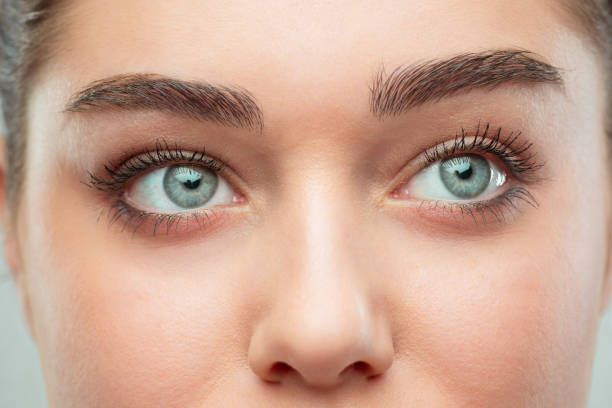
6. Give Your Eyes Regular Screen Breaks
Many people spend hours each day looking at phones, tablets, and computer screens.
Extended screen use doesn’t automatically cause permanent wrinkles, but staring at a screen can contribute to eye strain and dryness. People may also blink less frequently while concentrating, which can make their eyes feel tired or irritated.
Regularly looking away from your screen and allowing your eyes to rest can make your overall eye area feel less fatigued.
7. Don’t Ignore Puffiness Triggers
Puffy eyes can have many causes, including lack of sleep, allergies, fluid retention, and individual genetics.
For some people, salty meals, alcohol, or sleeping poorly may make morning puffiness more noticeable.
Pay attention to patterns rather than assuming every instance of puffiness has the same cause. Identifying your personal triggers can help you make practical changes to your routine.

8. Build a Skin-Supportive Diet
Your skin relies on nutrients to maintain its normal structure and function.
A varied diet containing vegetables, fruits, protein sources, healthy fats, and other nutrient-rich foods can support overall skin health. Protein is particularly relevant because collagen is a protein that naturally becomes less abundant as we age.
Diet alone won’t reverse wrinkles or restore youthful skin, but consistently choosing nutritious foods can support your body’s normal processes over the long term.
9. Consider Collagen Support as You Age
Collagen is an important structural protein found throughout the body, including the skin. As we get older, natural collagen production declines. This is one reason skin can gradually become less firm and elastic, while fine lines become more visible.
Lifestyle habits remain important, but some people also choose collagen supplements as part of their beauty routine.
Kollagen Intensiv is one option designed for people interested in incorporating collagen support into their daily routine. A collagen-focused supplement may complement good skincare, hydration, nutrition, sun protection, and healthy lifestyle habits.
It’s important to keep expectations realistic. No supplement can stop normal aging, and individual results can vary. The most sensible approach is to view collagen supplementation as one part of an overall skin-care strategy rather than a quick solution for wrinkles or dark circles.

10. Create a Consistent Eye-Area Routine
Perhaps the most useful habit is consistency.
Instead of constantly changing products and trying complicated routines, focus on a few sensible habits you can maintain. Your routine might include gentle cleansing, appropriate moisturization, sun protection, adequate sleep, hydration, and a balanced diet.
For someone concerned about collagen and visible skin aging, adding a collagen supplement such as Kollagen Intensiv may also fit into that routine.
Consistency matters because skin aging is gradual. Expecting one product or one habit to completely transform the eye area can lead to unrealistic expectations. A collection of sensible habits is a more practical approach.

Why the Eye Area Often Looks Older First
The appearance of the eye area is influenced by more than collagen alone.
Genetics, age, sun exposure, sleep, hydration, facial expressions, allergies, pigmentation, and the natural structure of the area can all play a role.
As collagen and elastin change with age, skin may gradually lose some of its firmness and resilience. Reduced hydration can make fine lines appear more pronounced, while pigmentation and shadows can make dark circles more noticeable.
This is why treating the eye area isn’t simply about finding a product that promises to erase wrinkles. Understanding the different factors involved can help you make better choices.
Why Consider Kollagen Intensiv?
If you’re already taking steps to care for your skin, Kollagen Intensiv can be considered as one component of a broader beauty routine.
The idea isn’t to replace sleep, nutrition, hydration, sun protection, or sensible skincare. Instead, collagen supplementation can be viewed as an additional option for people who want to support their beauty routine as they get older.
The most realistic mindset is to focus on long-term skin care rather than expecting overnight changes. Your eye area is influenced by many factors, so taking care of your overall health and maintaining consistent habits remains important.

The Bottom Line
Tired-looking eyes, dark circles, puffiness, and fine lines can make the eye area appear older, but your daily habits can influence how your skin looks and feels.
Getting better sleep, staying hydrated, protecting your skin from UV exposure, being gentle when removing makeup, taking screen breaks, and maintaining good nutrition are all practical places to start.
As collagen naturally declines with age, some people may also choose to include a collagen supplement such as Kollagen Intensiv in their beauty routine.
There is no single habit that can prevent visible aging, but small choices repeated consistently can add up to a more thoughtful approach to caring for the delicate skin around your eyes.
Clinically Proven: 354% Wrinkle Reduction ⭐⭐⭐⭐⭐
Want to learn more about caring for aging eyes? Subscribe for our latest tips
and advice.