Have you ever looked in the mirror and thought, “Why do my eyes always look tired when I don’t actually feel that tired?”
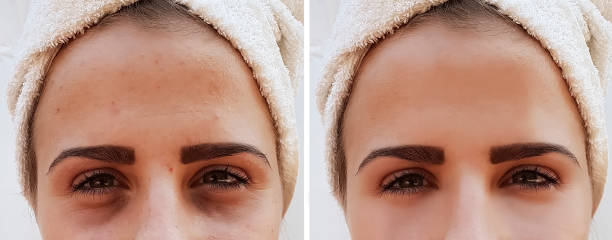
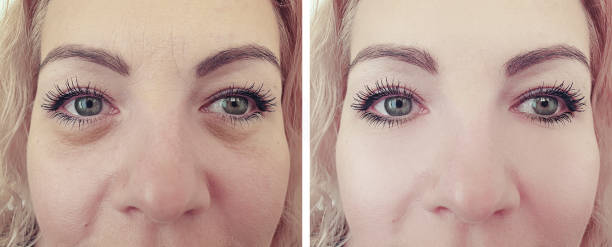
Dark circles, puffiness, fine lines, and dull-looking skin around the eyes can make your entire face appear more fatigued or older than you feel. And sometimes, getting more sleep doesn’t seem to change the way your eyes look.
The good news is that tired-looking eyes can be influenced by several everyday factors—and there are simple things you can try to improve the overall appearance of the delicate skin around your eyes.
Here are seven worth considering.
1. Make Sleep a Priority
It sounds obvious, but sleep can have a noticeable effect on how your eyes look.
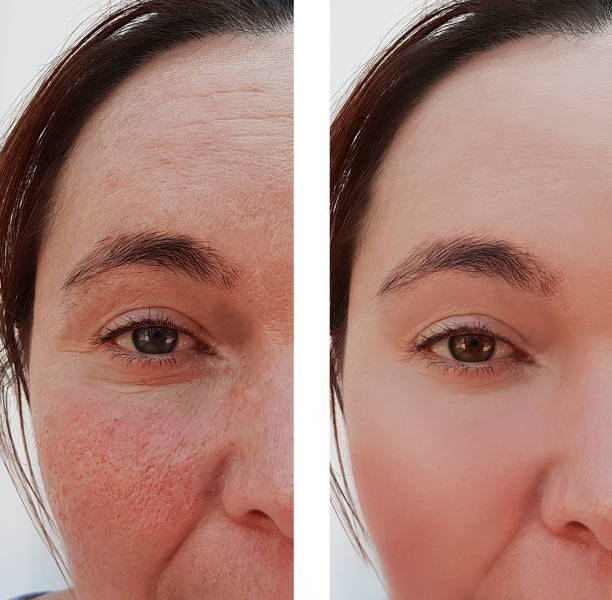
When you don’t get enough quality sleep, your eyes may appear puffy, bloodshot, or generally fatigued. The skin around them can also look duller, making dark circles more noticeable.
Try establishing a consistent bedtime and giving yourself enough time to get the recommended amount of sleep for your needs.
While better sleep won’t necessarily eliminate every cause of tired-looking eyes, it is a good foundation for healthier-looking skin.
2. Don’t Forget Hydration
Dehydrated skin can appear less plump and more dull, which may make fine lines around the eyes easier to notice.
Drinking enough water throughout the day is one simple habit that supports your body’s normal functions and helps you avoid becoming dehydrated.
You can also support your skin’s appearance by using a gentle moisturizer suited to your skin type, particularly if the area around your eyes tends to feel dry.
3. Give Your Eyes a Break From Screens
If you spend hours looking at a phone, computer, or television, your eyes may simply need a break.
Extended screen time can contribute to eye strain and discomfort, while constantly focusing on a nearby screen may leave your eyes feeling fatigued.
Try taking regular breaks. Look away from your screen and focus on something farther away for a while.
It is a small change, but one that can make your eyes feel more comfortable during the day.
4. Pay Attention to the Skin Around Your Eyes
The skin surrounding your eyes is delicate, so treating it aggressively isn’t a good idea.
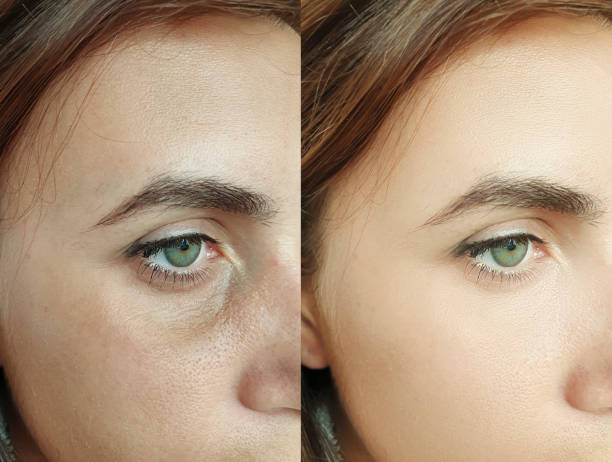
Rubbing your eyes and pulling at the skin when removing makeup or using harsh products can irritate the area and make it look worse.
Instead, be gentle when cleansing and removing makeup. Choose skincare products appropriate for the sensitive eye area and avoid unnecessary rubbing.
Sometimes, less is more when caring for tired-looking eyes.
5. Think About Collagen and Skin Aging
There’s another factor that becomes increasingly relevant as we get older: collagen.
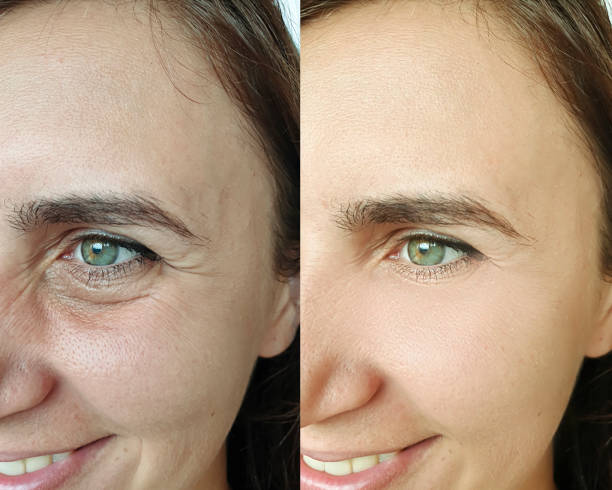
Collagen is an important structural protein found throughout the body, including the skin. As we age, the body’s natural collagen production decreases. Changes in collagen and other components of the skin can contribute to reduced firmness, elasticity, and the development of visible lines.
The delicate skin around the eyes can make these changes particularly noticeable.
This doesn’t mean collagen is a magic answer for tired-looking eyes. However, supporting healthy-looking skin as part of an overall skincare and wellness routine may be worth considering.
6. Look Beyond Just Your Eyes
Sometimes the problem isn’t actually your eyes—it’s the overall condition of your skin.
When skin becomes dry, dull, or less elastic, your face can take on a more tired appearance. Fine lines and uneven-looking texture may also become more noticeable.
That’s why it can be helpful to look at your overall skincare routine rather than focusing exclusively on eye creams or concealers.
A balanced approach that includes hydration, good nutrition, sun protection, adequate sleep, and appropriate skincare can help support the appearance of your skin over time.
7. Consider a Collagen Supplement
If you’ve already improved your basic habits and want to explore additional options, a collagen supplement may be something to research.
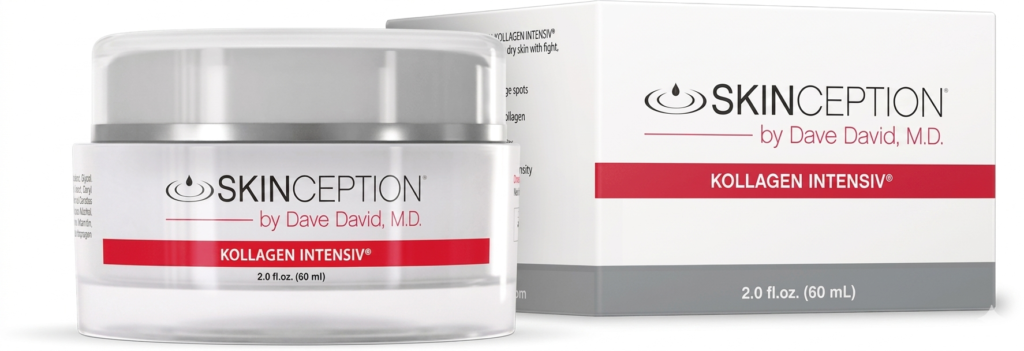
One product worth looking into is Kollagen Intensiv.
Kollagen Intensiv is designed around collagen support and is aimed at people who want to support the appearance of their skin as they get older. Rather than being positioned as an overnight fix, it can be considered as one part of a broader approach to maintaining healthy-looking skin.
For someone concerned about fine lines, loss of firmness, dryness, or an increasingly tired-looking complexion, collagen support may be an option worth learning more about.
Why Consider Trying Kollagen Intensiv?
There are several reasons someone might decide to investigate Kollagen Intensiv.
You may want to consider it if you’re:
- Concerned about visible signs of skin aging
- Noticing reduced skin firmness or elasticity
- Looking for additional support beyond topical skincare
- Interested in a collagen-focused approach to skin care
- Trying to take a more proactive approach to maintaining your skin’s appearance
It’s important to keep expectations realistic. A supplement isn’t a substitute for sleep, hydration, nutritious food, or sensible skincare. And individual results can vary.
But if you’re already taking care of the basics and want to learn more about collagen supplementation, Kollagen Intensiv could be worth exploring.
The Bottom Line
If your eyes always seem to look tired, don’t assume that the only solution is more concealer or another expensive eye cream.
Start with the basics: get enough sleep, stay hydrated, take regular screen breaks, and treat the delicate skin around your eyes gently. Then consider the bigger picture, including how skin aging, collagen loss, hydration, and elasticity can influence your appearance.
And if you’re interested in exploring collagen supplementation as part of your routine, take some time to learn more about Kollagen Intensiv and decide whether it fits your personal goals.
Your eyes may be one of the first places where signs of fatigue and aging become visible—but they don’t have to be the only thing you focus on when caring for your skin.