Your eyes can make you look more tired than you actually feel.
Even after a good night’s sleep, the skin around your eyes may appear dull, puffy, creased, or simply less refreshed than it once did. And while lack of sleep can certainly play a role, it isn’t always the whole story.
The delicate skin around the eyes changes naturally as we age. Collagen production declines, skin can become less resilient, and the area may gradually lose some of the smooth, youthful-looking appearance it once had.
But what exactly contributes to that tired-eye appearance?
Here are 9 factors that can affect how refreshed and youthful your eyes look — plus why supporting your skin’s natural collagen production may be worth considering.
1. Natural Collagen Loss
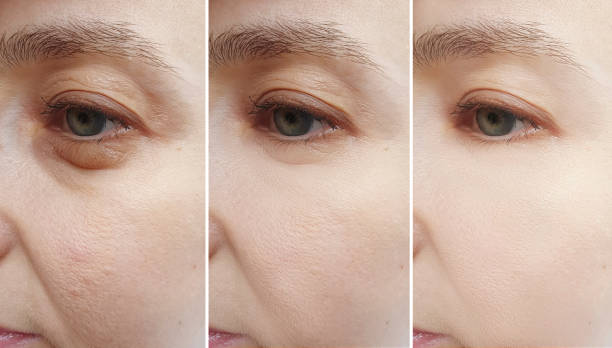
One of the biggest changes associated with skin ageing is a gradual decline in collagen production.
Collagen is an important structural protein that helps give skin its firmness and support. As natural collagen production decreases over time, fine lines and wrinkles can become more noticeable.
Because the skin around the eyes is particularly delicate, these changes can become visible there sooner than in other areas of the face.
This is one reason your eyes may start looking more tired even when your lifestyle hasn’t dramatically changed.
2. Fine Lines Around the Eyes
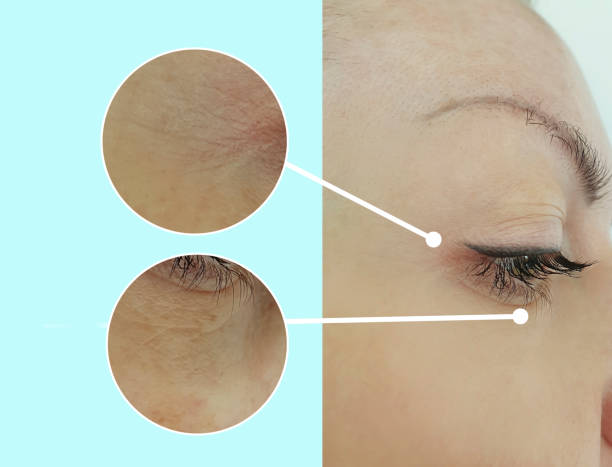
Those small lines around the corners of your eyes can gradually become more noticeable with age.
Repeated facial expressions, environmental exposure and the natural reduction in skin elasticity can all contribute to their appearance.
When fine lines become more visible, they can create shadows and texture around the eyes, making the entire area appear less smooth and refreshed.
3. Changes in Skin Hydration
Well-hydrated skin generally has a smoother, fresher appearance.
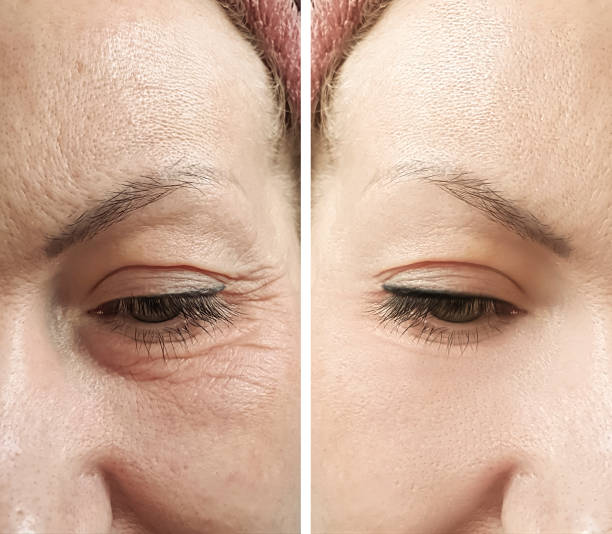
As skin ages, its ability to retain moisture can change. When the skin around the eyes looks dry or less hydrated, fine lines may appear more prominent.
This doesn’t necessarily mean you need a complicated skincare routine. Consistent hydration and a good overall skincare approach can help support a healthier-looking appearance.
4. Sun Exposure Over Time
Your skin remembers years of environmental exposure.
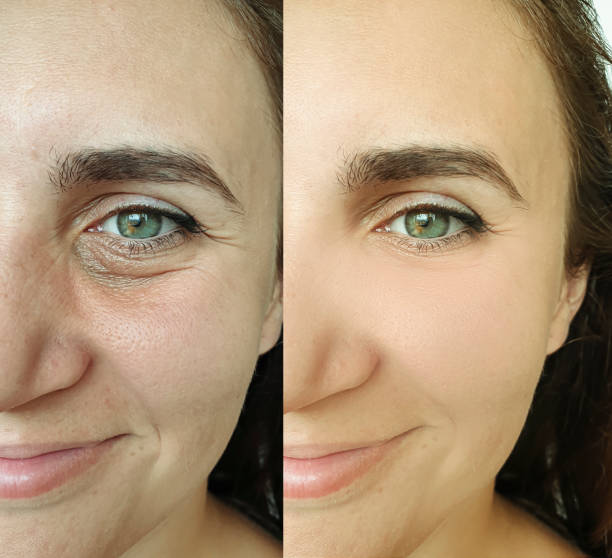
Ultraviolet radiation is one of the major environmental factors associated with visible skin ageing. Over time, repeated sun exposure can contribute to changes in texture, tone and the appearance of wrinkles.
Because the eye area is exposed every day, protecting your skin from excessive sun exposure is an important part of maintaining a youthful-looking appearance.
Sunglasses and broad-spectrum sunscreen can be useful additions to a sensible skincare routine.
5. Everyday Facial Expressions
Smiling, squinting, laughing and making expressions are normal parts of life.
However, repeated facial movement can contribute to expression lines becoming more visible over time, particularly around the corners of the eyes.
You don’t need to stop smiling to protect your appearance. Instead, think of these lines as one of the many natural factors that can influence how your eye area changes as you get older.
6. Your Overall Skincare Routine
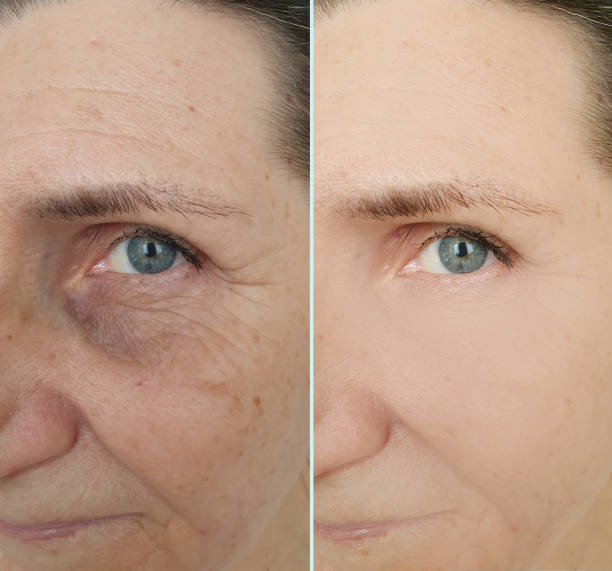
Sometimes the problem isn’t that you’re missing a miracle product — it’s that your routine isn’t addressing the needs of changing skin.
As skin matures, it may benefit from greater attention to hydration, gentle cleansing, sun protection and ingredients designed to support the appearance of firmness and smoothness.
The goal isn’t necessarily to use more products.
It’s about using the right approach consistently.
7. Lifestyle Factors
The appearance of your eyes can also be influenced by everyday habits.
Stress, inconsistent sleep, dehydration and other lifestyle factors may affect how refreshed your face appears from day to day.
Of course, nobody can maintain perfect habits all the time. But getting adequate rest, drinking enough water and maintaining a balanced lifestyle can all contribute to looking more refreshed.
Sometimes the simplest habits are the easiest ones to overlook.
8. The Natural Ageing Process
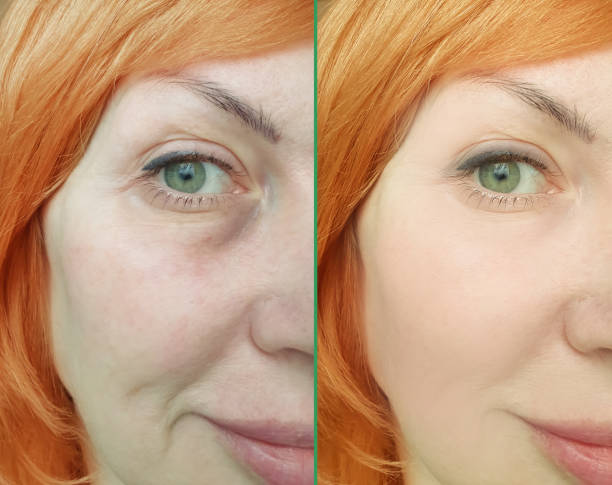
Perhaps the most important factor to understand is that ageing itself changes the appearance of your skin.
As the years pass, collagen production naturally declines and the skin’s structure changes. Fine lines may become deeper, elasticity may decrease and the overall texture of the skin can change.
This is completely normal.
The goal doesn’t have to be trying to stop ageing. Instead, many people are interested in supporting their skin so it can maintain a smoother, firmer and more youthful-looking appearance for as long as possible.
9. Supporting Your Skin’s Natural Collagen Production
This is where collagen-focused skincare and supplements have attracted so much attention.
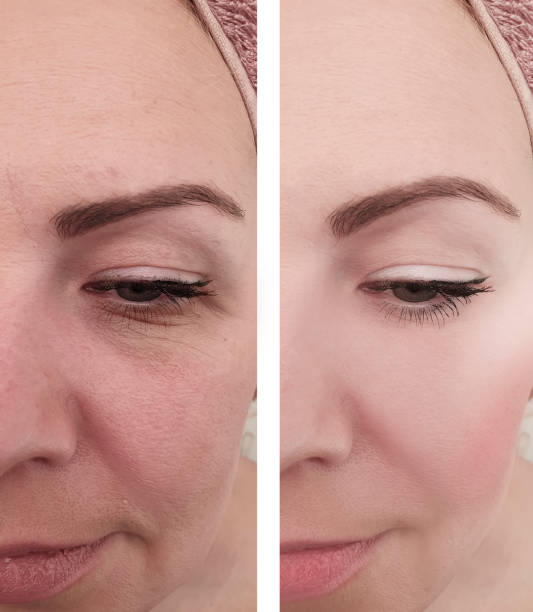
Rather than simply covering visible imperfections, collagen-focused approaches are designed around supporting one of the proteins that plays an important role in the structure of youthful-looking skin.
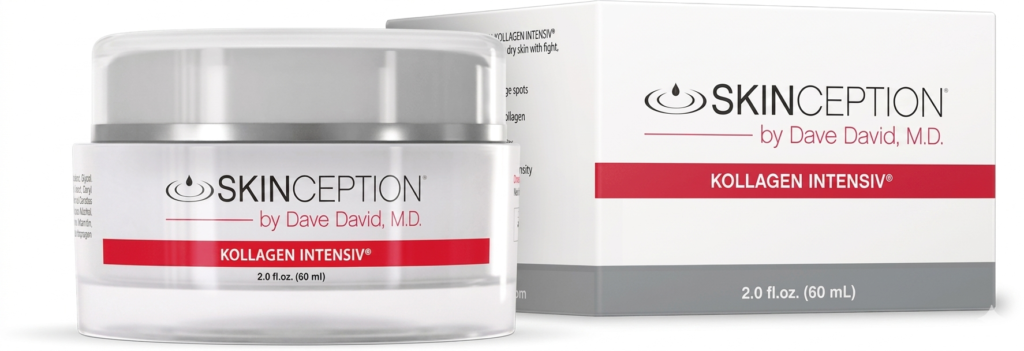
One product worth exploring is Kollagen Intensiv®.
Kollagen Intensiv® is formulated around supporting the body’s natural collagen production and is marketed specifically toward improving the appearance of ageing skin and wrinkles.
Its promotional materials highlight clinical research around increased natural collagen production and a reduction in the appearance of wrinkles. However, individual results can vary, and no skincare or collagen product can guarantee a particular appearance.
For someone looking beyond temporary cosmetic coverage and interested in a collagen-focused approach to mature-looking skin, it may be worth learning more about what Kollagen Intensiv® offers.
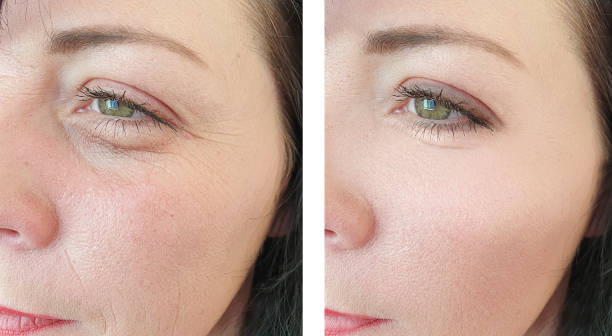
Why the Eye Area Deserves Extra Attention
The eye area is often one of the first places where people notice visible signs of ageing.
That’s why looking at the bigger picture can be more useful than blaming everything on tiredness.
Your sleep, hydration, sun exposure, skincare habits, lifestyle, facial expressions and natural collagen decline can all play a role in how your eyes look.
Instead of searching for one magic solution, consider taking a more complete approach to maintaining healthy-looking, youthful-looking skin.
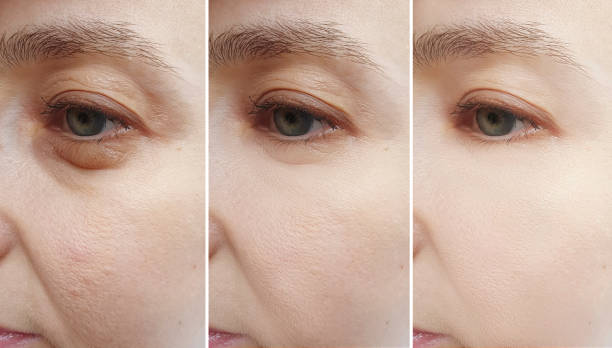
Final Thoughts: Your Eyes May Not Actually Be “Tired”
If your eyes have started looking more tired lately, it may not simply be because you need more sleep.
Natural collagen loss, fine lines, hydration changes, environmental exposure and the ageing process can all influence the appearance of the delicate skin around your eyes.
The good news is that understanding these factors gives you more control over your skincare choices.
A consistent skincare routine, sensible sun protection, healthy lifestyle habits and an approach that supports your skin’s natural collagen production can all be part of maintaining a more refreshed appearance.
If you’re interested in exploring a collagen-focused option, Kollagen Intensiv® may be worth investigating.
Take a closer look at the ingredients, research and product information to decide whether it fits your personal skincare goals.
Your eyes may reveal your age — but your skincare routine can help you take better care of the skin around them.