Ageing skin rarely changes overnight. Instead, small differences tend to appear gradually: your skin may feel drier, fine lines may become more noticeable, your complexion may look less vibrant, or the area around your eyes may seem more tired than it used to.
The interesting part is that many women focus almost entirely on what they can see. They reach for another moisturiser, change their cleanser, or search for a new wrinkle cream—while overlooking some of the underlying changes that naturally occur as skin matures.
Collagen is one of those changes worth understanding. It is an important structural protein in the body and plays a significant role in the skin’s firmness and structure. As we age, natural collagen production declines, which can contribute to visible changes in the appearance and feel of the skin.
Here are nine commonly overlooked factors that can make mature skin look different—and what you can do to support a more thoughtful skincare routine.
1. Collagen Changes With Age
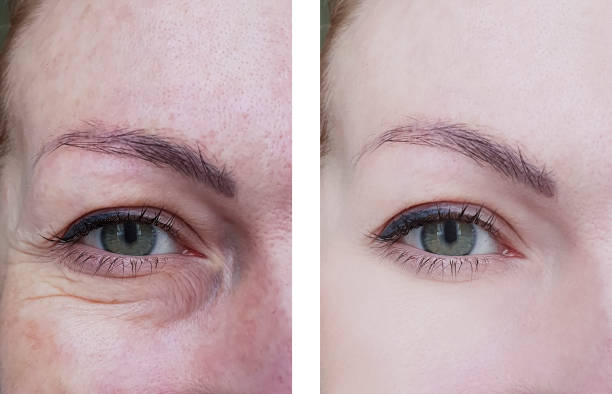
One of the biggest changes happening beneath the surface is the gradual reduction in natural collagen production.
Collagen helps provide structural support to the skin. As its levels decline over time, skin may gradually appear less firm, and fine lines may become more noticeable.
This is why simply treating the surface of the skin may not address every aspect of ageing skin.
2. Skin Can Become Less Hydrated
Many women associate ageing primarily with wrinkles, but changes in hydration can also affect how youthful skin appears.
When skin becomes dry or dehydrated, fine lines can look more pronounced, and the complexion may appear dull or uneven.
A consistent moisturising routine and adequate daily hydration can help support the skin’s overall appearance.
3. Sun Exposure Adds Up
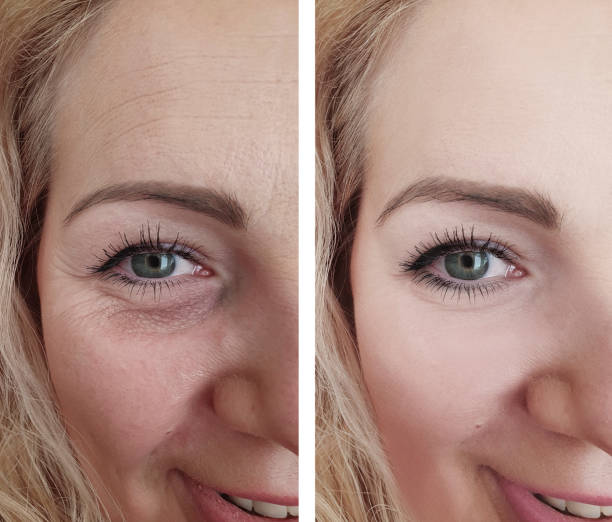
It is easy to think of sun damage in terms of obvious sunburns, but cumulative exposure over many years can also affect the appearance of ageing skin.
Regular protection from ultraviolet exposure is therefore an important part of a long-term skincare routine.
Using sunscreen, wearing protective clothing, and seeking shade when appropriate can help reduce unnecessary exposure.
4. The Eye Area Needs Extra Attention
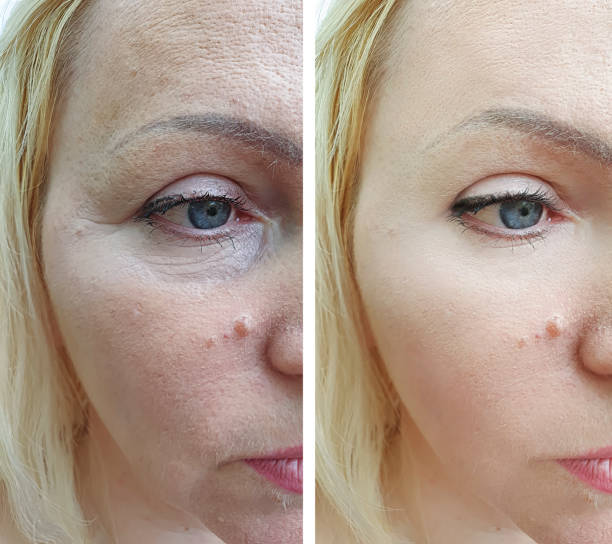
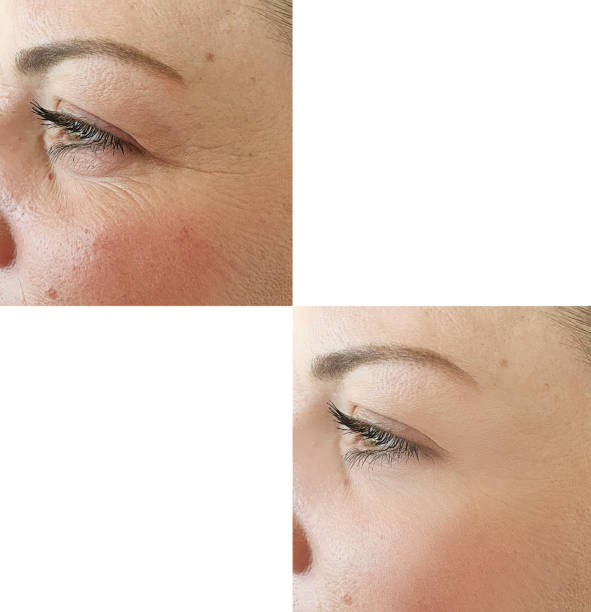
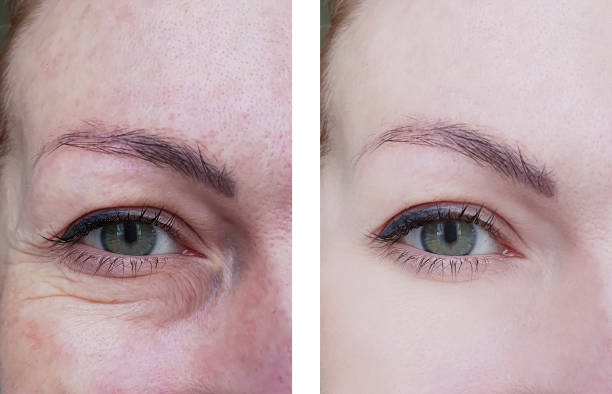
The skin around the eyes is delicate, and changes in this area can make the face look more tired.
Dark-looking circles, puffiness, fine lines, and a generally tired appearance can become more noticeable over time.
Rather than treating the entire face exactly the same way, it can be useful to pay particular attention to the eye area with gentle skincare and good daily habits.
5. Sleep Can Affect Your Appearance
A busy lifestyle can make sleep one of the easiest things to overlook.
Poor-quality or insufficient sleep can leave the face looking tired, while the eye area may appear particularly affected.
Although skincare cannot replace healthy sleep habits, maintaining a consistent sleep routine can complement an overall approach to looking after your skin.
6. Your Skincare Routine May Be Too Complicated
More products do not automatically mean better results.
Using numerous active ingredients, frequently changing products, or layering too many treatments can make it difficult to determine what actually works for your skin.
A simpler routine built around cleansing, moisturising, sun protection, and carefully selected supportive products may be easier to maintain consistently.
Consistency often matters more than having an overflowing bathroom cabinet.
7. Nutrition Is Easy to Forget
The appearance of your skin is influenced by more than the products you apply externally.
A balanced diet provides nutrients that the body needs for normal skin function and overall health. Protein, fruits, vegetables, healthy fats, and adequate fluids can all form part of a sensible approach to nutrition.
Instead of looking for one magical food or ingredient, think about your overall dietary pattern.
8. Stress Can Show on Your Face
Stress is another factor that is frequently overlooked when people think about skin ageing.
Long periods of stress can affect sleep, routines, eating habits, and how consistently you care for yourself.
Managing stress through regular movement, relaxation, social connection, hobbies, or other healthy habits can therefore be valuable—not just for your general wellbeing, but also for maintaining a consistent skincare routine.
9. Supporting Collagen From Within May Be Worth Considering
Once women understand that collagen naturally changes with age, they often start looking beyond traditional topical skincare.
This is where collagen supplements can become part of the conversation.
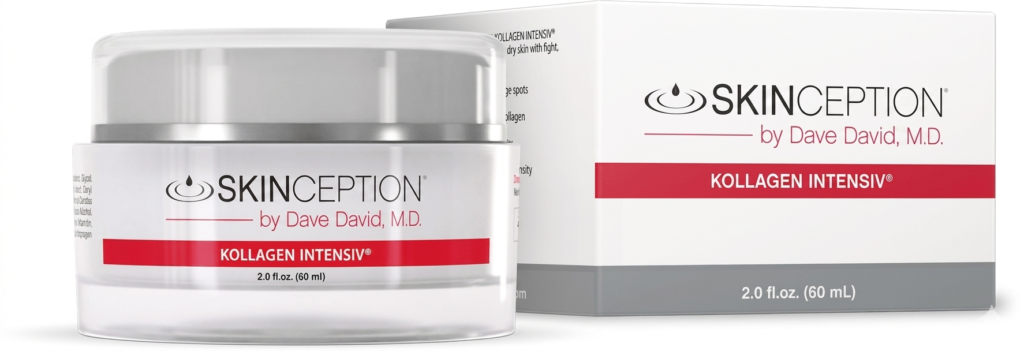
Kollagen Intensiv is designed for women who want to incorporate collagen-focused supplementation into their beauty routine. Rather than viewing it as a replacement for moisturiser, sunscreen, sleep, or a balanced diet, it can be considered as one additional component of a broader approach to caring for your skin.
As with any supplement, expectations should remain realistic. Individual experiences can vary, and no skincare product or supplement can stop the natural ageing process.
The goal is not to look like a completely different person. It is to support healthy-looking skin and develop habits that make sense for your stage of life.
Ageing Skin Doesn’t Mean Giving Up on Your Routine
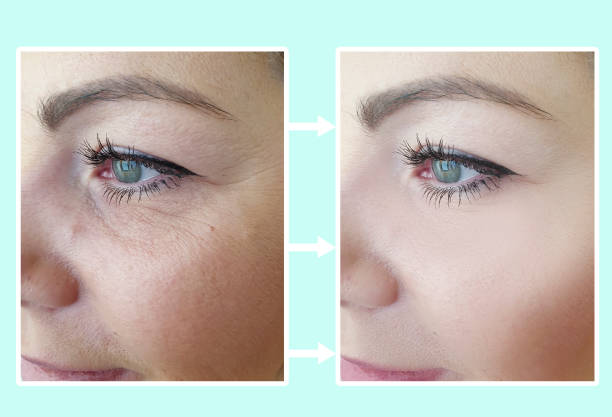
Getting older is a natural process, but that does not mean you have to ignore the changes happening to your skin.
The most useful approach is often to look beyond individual wrinkles and consider the bigger picture: collagen changes, hydration, sun exposure, sleep, nutrition, stress, and the products you use every day.
Instead of constantly searching for another quick fix, focus on building a routine that you can realistically maintain.
If you are interested in adding collagen supplementation to that routine, Kollagen Intensiv may be worth exploring as part of your overall beauty and skincare strategy.
The earlier you understand what is changing beneath the surface, the easier it becomes to make informed choices about how you want to care for your skin as it matures.