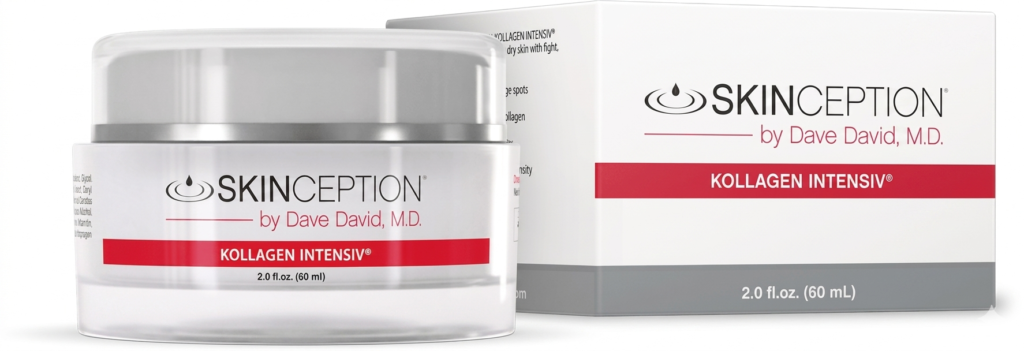
If your skin suddenly looks dull, tired, dry, or older than you expect, your skincare routine may not be the only thing influencing what you see in the mirror.
The appearance of your skin can be affected by everyday habits, environmental exposure, sleep, hydration, stress, and the natural changes that happen as you age. While no single factor determines how your skin looks, these small influences can add up over time.
One important part of the picture is collagen. Collagen is a structural protein that helps give skin its firmness and support. As we get older, the body’s natural production of collagen gradually changes, which can contribute to visible signs of ageing such as fine lines and reduced-looking firmness.
Here are seven everyday factors worth paying attention to if you want to support healthier-looking, more youthful-looking skin.
1. Too Much Sun Exposure
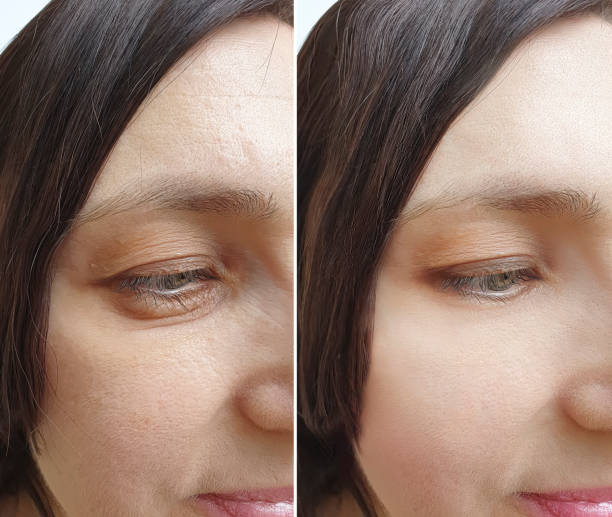
Sun exposure is one of the biggest environmental factors associated with visible skin ageing.
Ultraviolet (UV) radiation can contribute to changes in the skin’s appearance over time, including uneven tone, dryness, fine lines, and a loss of the smooth-looking texture many people associate with youthful skin.
You don’t have to avoid the outdoors to care for your skin. Simple habits such as seeking shade, wearing protective clothing, and using broad-spectrum sunscreen can help reduce unnecessary UV exposure.
Think Beyond Summer
UV exposure can happen throughout the year, not just during beach holidays. Making sun protection part of your everyday routine can be a practical long-term approach to maintaining your skin’s appearance.
2. Not Getting Enough Quality Sleep
Your skin doesn’t stop responding to your lifestyle when you go to bed.
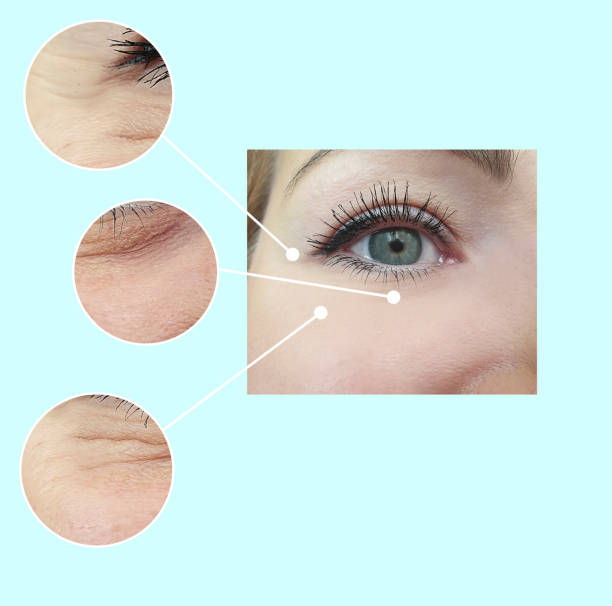
Poor or inconsistent sleep can leave you looking tired, and the effects may be particularly noticeable around the eyes. Darker-looking under-eyes, puffiness, and a generally dull appearance can make the face look less refreshed.
Getting consistent, quality sleep is therefore more than simply a way to feel better during the day. It can also be part of an overall routine for supporting healthy-looking skin.
3. Everyday Stress
Stress is another factor that can influence how you look and feel.
Periods of ongoing stress can affect routines, sleep, eating habits, and other behaviours that indirectly influence the appearance of your skin. When you’re constantly tired or under pressure, your complexion may simply look less rested.
This doesn’t mean stress automatically causes wrinkles. Skin ageing is much more complex than that. However, finding manageable ways to relax, sleep well, stay active, and maintain healthy routines can benefit your overall approach to skincare.
4. Not Drinking Enough Water
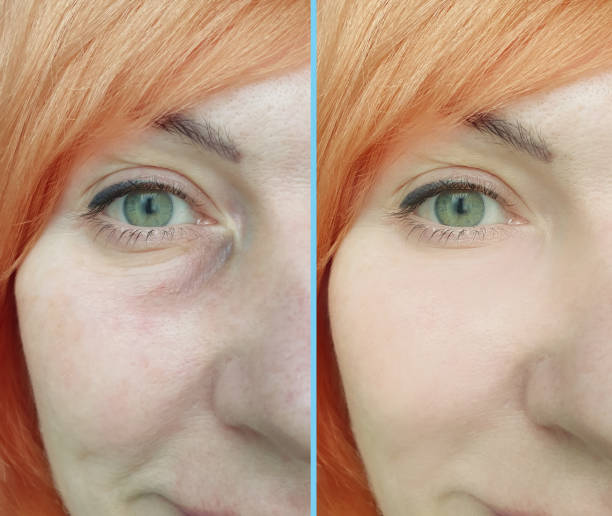
Hydration can influence how your skin looks and feels.
When your body needs fluids, your skin may appear less plump or refreshed, particularly if you’re already dealing with dryness. Drinking enough water throughout the day is a simple habit that supports your body’s normal functions.
However, water isn’t a magic solution for wrinkles. Skin hydration is influenced by several factors, including your environment and skincare routine.
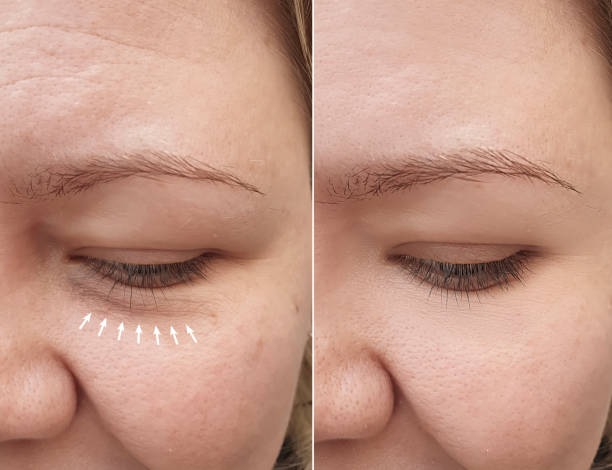
Hydration Is More Than Water
Using an appropriate moisturiser can also help support the skin barrier and reduce the appearance of dryness. Combining good hydration habits with a sensible skincare routine can be more useful than relying on one solution alone.
5. Your Diet and Daily Nutrition
What you regularly eat can influence your overall wellbeing, and your skin is part of that picture.
A balanced diet containing a variety of fruits, vegetables, protein sources, whole grains, and healthy fats provides your body with nutrients it needs for normal functioning.
Protein is particularly relevant when discussing collagen because collagen itself is a protein. Your body uses amino acids from dietary protein as building blocks for many proteins throughout the body.
The goal isn’t perfection. Instead, focus on consistent, balanced eating habits rather than expecting one “superfood” to transform your skin.
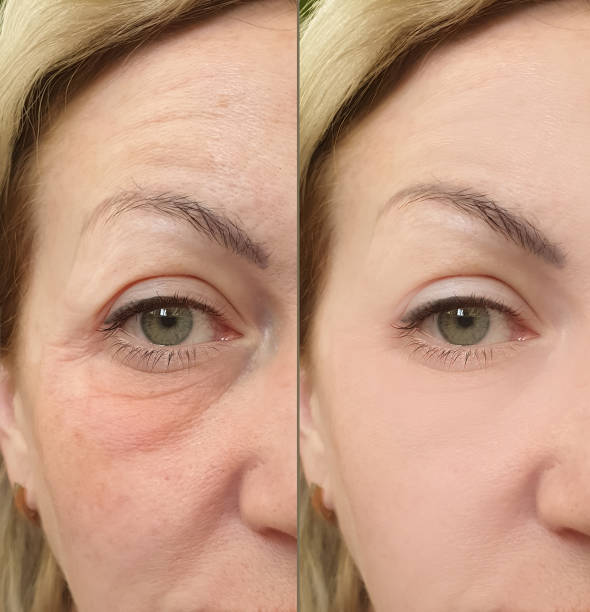
6. Smoking and Other Lifestyle Habits
Certain lifestyle habits can work against the appearance of healthy skin.
Smoking, for example, exposes the body to substances that can negatively affect overall health and are associated with premature-looking skin ageing. Excessive alcohol consumption can also contribute to dehydration and disrupt healthy routines.
Making positive lifestyle changes isn’t always easy, but even small improvements can become meaningful when maintained over time.
Your skincare routine works within the context of your entire lifestyle—not separately from it.
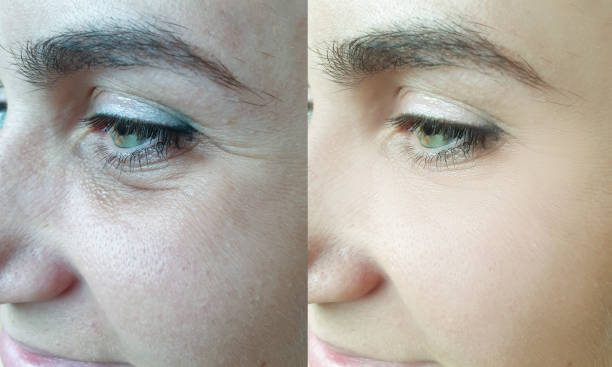
7. Natural Collagen Changes With Age
There is another factor you cannot completely control: getting older.
Collagen production naturally changes as we age. Over time, this can contribute to changes in skin structure and appearance, including fine lines, reduced-looking firmness, and changes in texture.
This is one reason why the skincare routine that worked perfectly in your twenties may not give you the same results later in life.
Supporting Your Skin From More Than One Direction
Rather than looking for one miracle ingredient or instant fix, it can make sense to take a broader approach.
Sun protection, adequate hydration, nutritious food, good sleep, stress management, and a consistent skincare routine can all form part of a sensible strategy for maintaining healthy-looking skin.
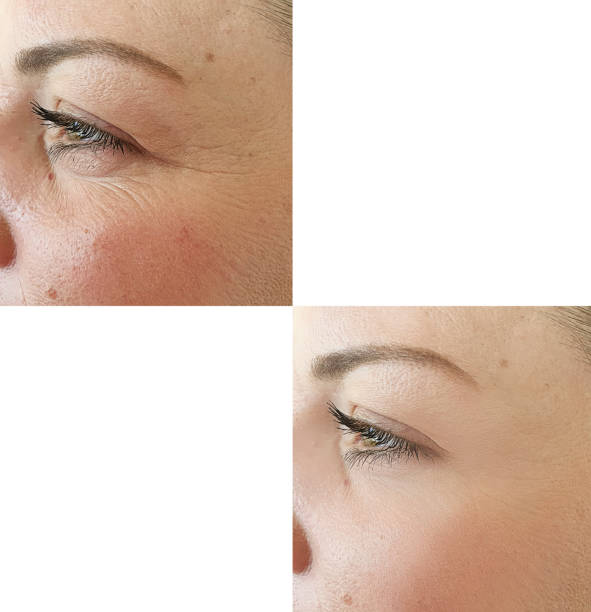
Where Kollagen Intensiv Fits In
If you’re looking for a collagen-focused addition to your beauty routine, Kollagen Intensiv may be worth exploring.
Kollagen Intensiv is designed around collagen as part of a broader approach to supporting the appearance of ageing skin. It can be considered alongside the everyday habits discussed above rather than as a replacement for them.
The important point is to keep expectations realistic. No supplement or skincare product can stop the natural ageing process, and individual experiences can vary.
Instead, think of collagen supplementation as one possible piece of a larger routine focused on taking better care of your skin as you age.
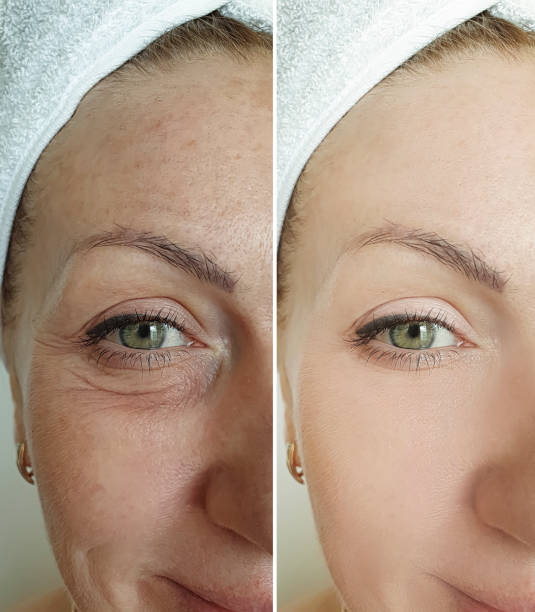
The Bigger Picture: Your Daily Habits Matter
It’s easy to blame every new wrinkle or change in skin texture on one product—or assume that buying a better moisturiser will solve everything.
In reality, the appearance of your skin is influenced by many factors.
Sun exposure, sleep, stress, hydration, nutrition, lifestyle habits, and natural collagen changes can all play a role. You don’t need to overhaul your entire life overnight. Start with the habits you can realistically maintain and build from there.
If you’re also interested in supporting your skin with a collagen-focused product, take a closer look at Kollagen Intensiv and decide whether it fits into your personal beauty routine.
Your skin changes over time—but the everyday choices you make can still be part of how you care for it.