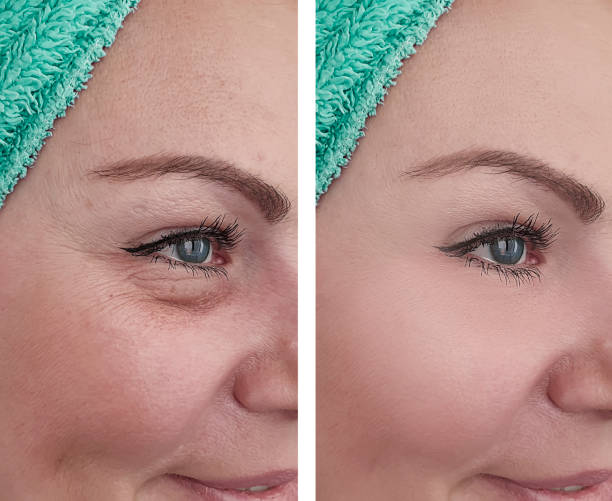
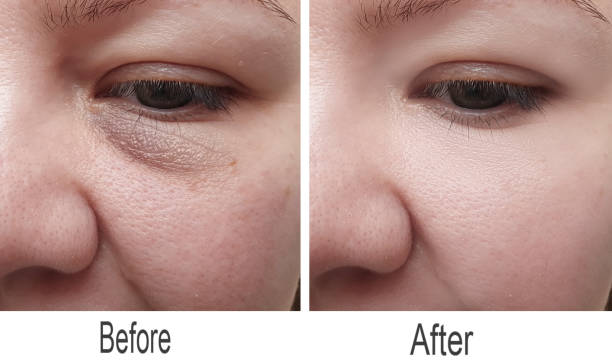
Dark circles can make you look tired even after a good night’s sleep. And while many people immediately blame lack of sleep, the appearance of the under-eye area can actually be influenced by several everyday factors.
The skin around your eyes is naturally delicate and can become more noticeable as the skin changes with age. Over time, collagen levels decline, skin may become less resilient, and changes in hydration and texture can make shadows, discolouration, or hollowness beneath the eyes appear more prominent.
The good news is that understanding the everyday factors that influence the appearance of dark circles can help you make smarter skincare and lifestyle choices.
Here are nine factors worth paying attention to.
1. Not Getting Enough Quality Sleep
Sleep is one of the first things people associate with dark circles—and for good reason.
When you’re consistently short on sleep, your complexion can appear duller, while the area beneath your eyes may look more pronounced. Fatigue can also make existing shadows and uneven skin tone easier to notice.
Improving your sleep routine won’t necessarily eliminate dark circles, especially when genetics or natural ageing are involved, but getting consistent, quality rest is an important part of looking refreshed.
2. Everyday Sun Exposure
Your skin encounters sunlight every day, even when you’re not intentionally sunbathing.
Repeated UV exposure can contribute to visible signs of skin ageing, including changes in pigmentation and the breakdown of structural proteins such as collagen and elastin.
Because the skin around the eyes is particularly delicate, protecting this area from excessive sun exposure can be an important part of maintaining a more even-looking complexion.
Consider sunglasses, shade, and broad-spectrum sunscreen suitable for the eye area as part of your daily routine.
3. Dehydrated-Looking Skin
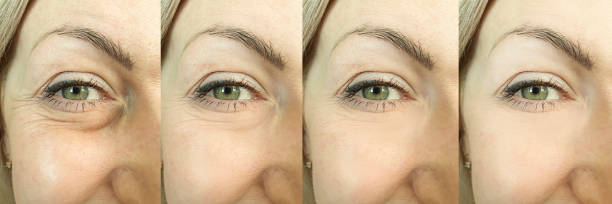
When skin doesn’t have enough moisture, fine lines and texture can become more noticeable.
The under-eye area can be particularly revealing because the skin is thin and delicate. When it looks dry or less plump, shadows may appear stronger, and the overall area can look more tired.
Staying adequately hydrated and using a gentle moisturiser designed for the eye area can help support a smoother-looking appearance.
4. Rubbing Your Eyes
It’s an easy habit to overlook.
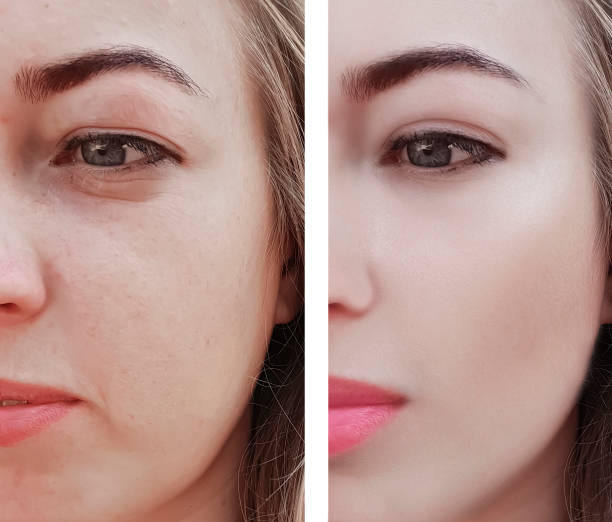
Whether it’s from tiredness, allergies, irritation, or simply habit, frequently rubbing or pulling at the skin around your eyes can be rough on this delicate area.
Instead of rubbing, try addressing the reason your eyes feel irritated and handle the surrounding skin gently when cleansing or applying skincare.
Small changes in daily habits can make a difference to how carefully you treat your skin over time.
5. Too Much Screen Time
Long periods spent looking at phones, tablets, or computers can leave your eyes feeling tired and strained.
Screen time isn’t necessarily a direct cause of dark circles, but tired-looking eyes can make the entire under-eye area appear less refreshed.
Try taking regular breaks, adjusting screen brightness, and making sure your workspace is comfortable. Giving your eyes a break can also encourage you to avoid rubbing them when they feel tired.
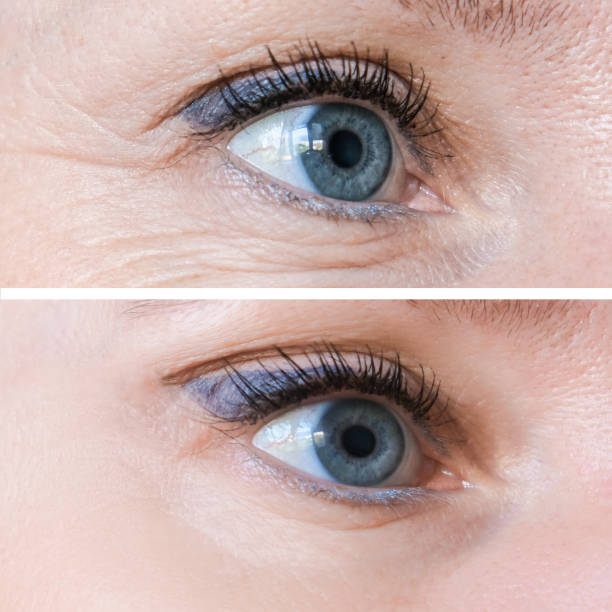
6. Your Diet and Daily Routine
Your overall diet can influence the way your skin looks and feels.
A balanced diet provides nutrients that support normal skin function, while a consistently poor diet may contribute to an overall dull or tired appearance.
Instead of searching for one “miracle” food for dark circles, focus on a varied diet containing plenty of whole foods, fruits, vegetables, adequate protein, and healthy fats.
Think of skincare as part of a bigger picture rather than a single-product solution.
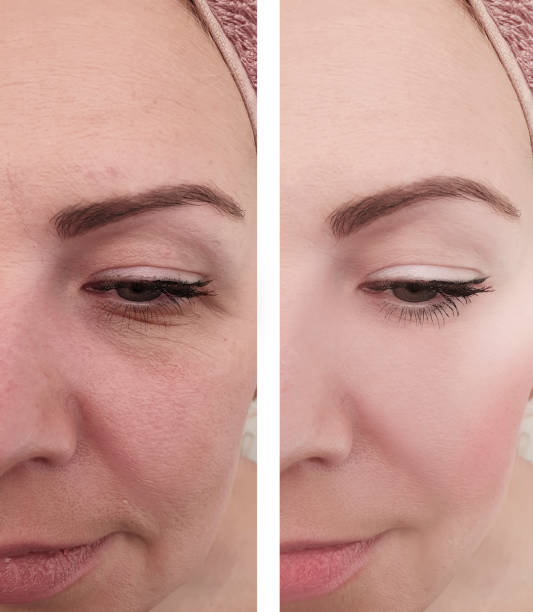
7. Natural Collagen Loss With Age
This is one of the most overlooked factors.
Collagen is a structural protein that helps give skin its firmness and support. As we get older, the body’s natural production of collagen gradually decreases.
That change can affect the appearance of the entire face, including the delicate area beneath the eyes. As skin becomes less firm and loses some of its youthful-looking structure, hollowness, fine lines, and shadows may become more noticeable.
This is one reason dark circles can sometimes seem to become more persistent with age, even when you’re sleeping well.
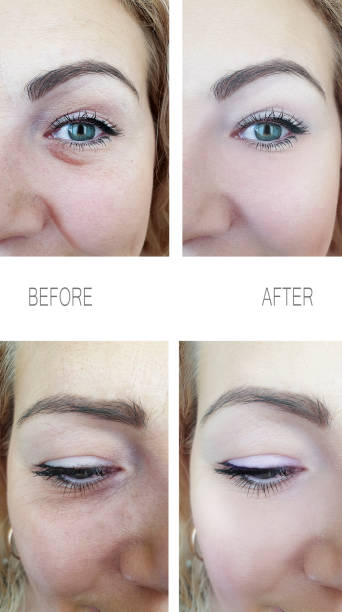
8. Stress and Your Lifestyle
Busy schedules can show up on your face.
Periods of stress can affect sleep, eating habits, hydration, and your general routine—all of which may contribute to a less refreshed appearance.
You don’t need to completely eliminate stress to take better care of your skin. Simple habits such as maintaining a consistent sleep schedule, staying active, drinking enough fluids, and making time to unwind can help support your overall routine.
Your skin doesn’t exist separately from the rest of your lifestyle.
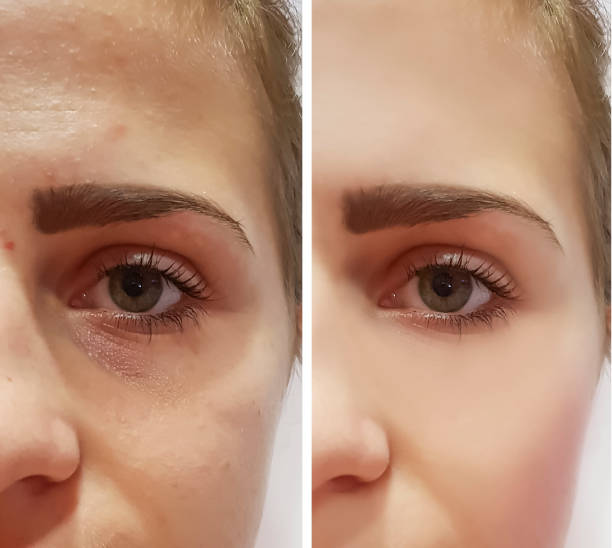
9. Genetics and Natural Skin Changes
Sometimes, dark circles aren’t primarily about what you’re doing wrong.
Genetics can play a major role in the natural appearance of the under-eye area. Some people naturally have thinner skin, more visible blood vessels, pigmentation, or facial structures that create stronger shadows beneath the eyes.
Age can also change the appearance of this area.
Understanding this is important because it prevents you from endlessly searching for a single product or habit that promises to completely erase dark circles.
Instead, the goal can be to support healthier-looking, well-cared-for skin.
Where Does Collagen Skincare Fit In?
If you’re concerned about the way ageing skin affects the appearance of your face, collagen is worth considering as part of a broader skincare and wellness routine.
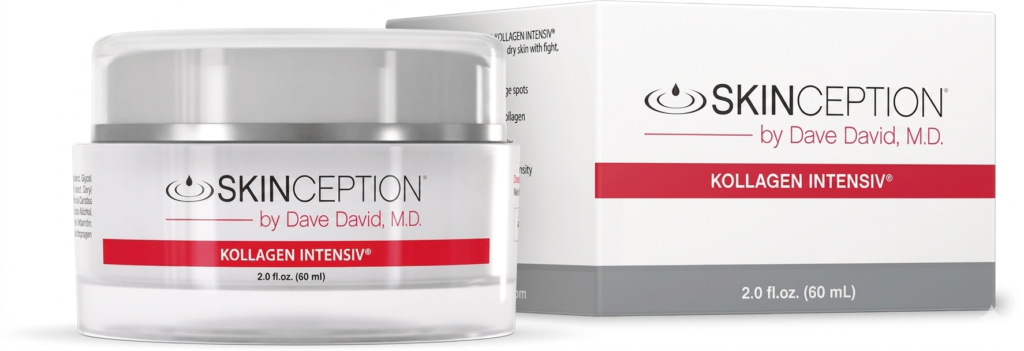
This is where Kollagen Intensiv may be an option to explore.
Rather than positioning collagen as a magic solution for dark circles, think of it as one component of an overall approach to supporting the appearance of ageing skin.
Kollagen Intensiv is designed around collagen-focused skincare and can complement the everyday habits that help you care for your complexion.
The key is to keep expectations realistic. Dark circles can have multiple causes, and no single skincare product can address every possible factor.
A consistent routine, sun protection, hydration, good lifestyle habits, and appropriate skincare can all work together.
The Bottom Line
Dark circles aren’t always caused by one late night.
Sleep, sun exposure, hydration, eye-rubbing, screen habits, diet, stress, natural collagen loss, and genetics can all play a role in how the delicate under-eye area looks.
As skin ages, declining collagen and changes in skin structure can make existing shadows and fine lines more noticeable. That makes taking a long-term approach to skincare more useful than constantly searching for a quick fix.
Start with the basics: protect your skin from excessive sun exposure, get consistent sleep, stay hydrated, treat the eye area gently, and build a skincare routine you can realistically maintain.
And if you’re looking to add a collagen-focused product to that routine, Kollagen Intensiv is worth exploring as another part of your approach to maintaining healthier, more youthful-looking skin.
Want to learn more about collagen-focused skincare? Explore Kollagen Intensiv and see whether it could fit into your daily skincare routine.