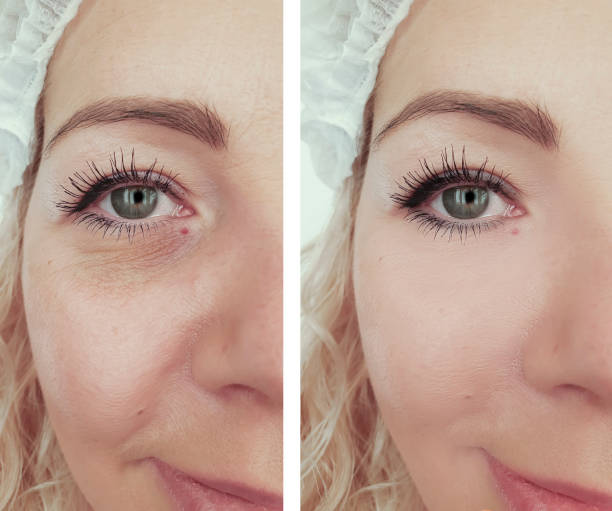
Eye bags can seem to appear almost overnight. One day your face looks refreshed, and the next, the area beneath your eyes looks puffier, darker, or more tired than you remember.
It is easy to blame a late night or assume that a new eye cream will solve the problem. But noticeable eye bags can be influenced by several factors, including the natural aging process, changes in skin structure, hydration, sleep, and genetics.
The skin around the eyes is particularly delicate, so small changes can become surprisingly noticeable. If you have started paying more attention to your under-eye area, here are eight things that are often overlooked—and why they may matter when your goal is healthier-looking, more youthful-looking skin.
1. The Skin Around Your Eyes Changes With Age
One of the biggest factors people overlook is that skin does not remain structurally identical throughout adulthood.
As we age, the skin gradually changes in thickness, elasticity, hydration, and overall appearance. Collagen is an important structural protein in skin, helping support its firmness and structure.
Over time, the body’s natural production of collagen decreases. This can contribute to skin becoming less firm and resilient, making existing lines, shadows, and contours more noticeable.
That does not mean every eye bag is caused by collagen loss. However, age-related changes in skin structure can affect how the under-eye area looks.
2. Your Eye Bags May Not Be Only About Sleep
“Get more sleep” is probably one of the most common pieces of advice given for tired-looking eyes.
Sleep certainly matters. Poor or insufficient sleep can make the face look tired, and temporary puffiness can become more noticeable.
But persistent eye bags may not disappear simply because you finally get a good night’s sleep.
Genetics, aging, facial structure, fluid retention, and changes in the tissues surrounding the eyes can all influence the appearance of the under-eye area.
That is why it is useful to look beyond sleep when eye bags become a regular concern.
3. Dehydrated Skin Can Make the Area Look Less Refreshed
Hydration is another factor that is easy to overlook.
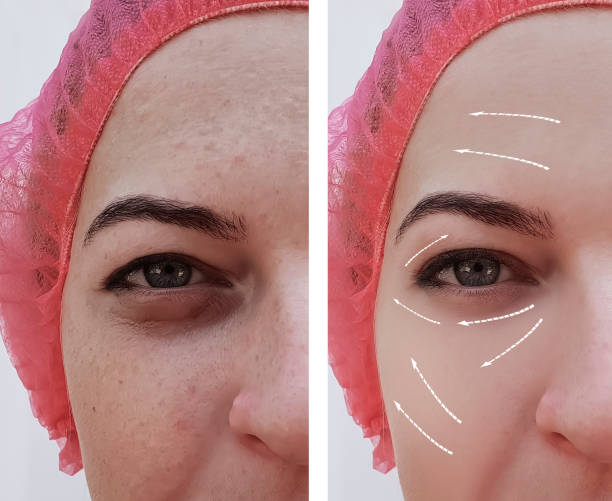
When skin becomes dry, fine lines and texture can appear more noticeable. Because the skin beneath and around the eyes is delicate, changes in its surface appearance can be particularly visible.
Drinking enough water, using appropriate moisturizers, and avoiding overly harsh skincare products can all be sensible parts of a basic skincare routine.
However, hydration is only one piece of the bigger picture. Good skincare cannot completely reverse every age-related change.
4. Collagen Support Is Often Ignored
Many women focus heavily on what they put on their skin while paying less attention to the broader factors that support healthy-looking skin.
Collagen naturally occurs throughout the body, including the skin. Since collagen production declines with age, collagen-focused nutrition and skincare strategies have become increasingly popular.
This is one reason some women choose to incorporate collagen supplements into their daily routines.
A supplement should not be viewed as an instant solution for eye bags. Instead, it can be considered as one part of an overall approach to supporting skin from within, alongside a balanced diet, hydration, sleep, and consistent skincare.
5. Your Skincare Routine May Be Too Aggressive
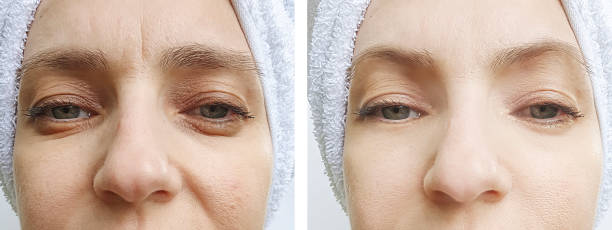
When women notice eye bags or under-eye wrinkles, the instinct can be to do more.
More products. More exfoliation. More treatments.
But the delicate eye area does not necessarily benefit from an aggressive routine.
Using products that are too harsh or applying them too frequently may leave the skin feeling dry or irritated. A simpler routine that focuses on gentle cleansing, moisturization, and appropriate sun protection may be a better foundation.
Remember that the skin around your eyes deserves the same thoughtful care as the rest of your face—perhaps even more.
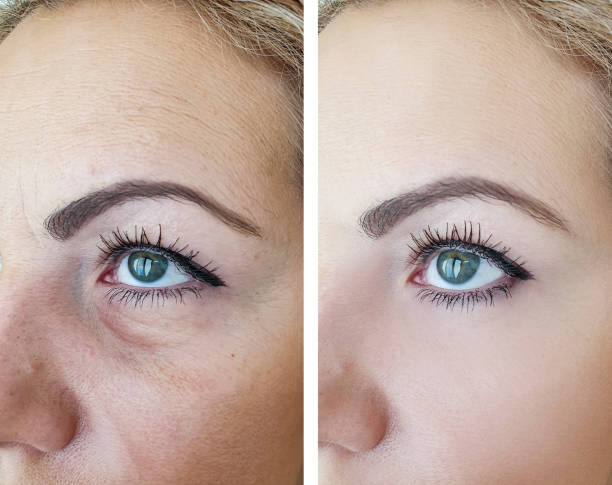
6. Sun Exposure Can Affect the Look of Aging Skin
Daily sun exposure is another commonly overlooked part of the aging-skin equation.
Ultraviolet radiation can contribute to premature skin aging, including changes in texture, pigmentation, and the appearance of lines.
Because the eye area is so exposed, protecting the surrounding skin is an important part of a long-term skincare routine.
Using broad-spectrum sunscreen as appropriate, wearing sunglasses, and seeking shade can help reduce unnecessary UV exposure.
The goal isn’t to stop aging—it is to take sensible steps to protect your skin as it changes naturally.
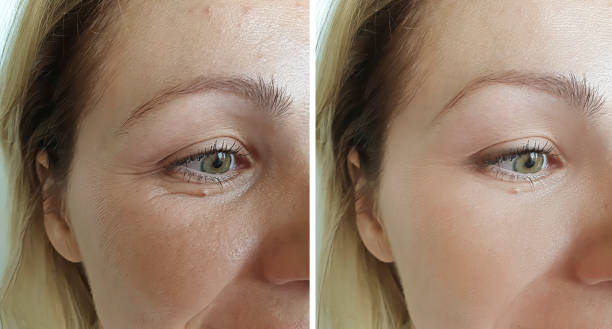
7. Your Eye Bags May Be More Noticeable Because of Contrast
Sometimes the problem isn’t simply that the under-eye area has changed. It is that the surrounding skin has changed enough to make shadows and contours stand out more.
Changes in pigmentation, skin texture, firmness, and facial volume can alter the way light falls across the face.
This can make the area beneath the eyes appear darker or deeper even when the underlying issue is not simply “bags.”
Understanding this distinction can help you set more realistic expectations about what skincare products can and cannot accomplish.
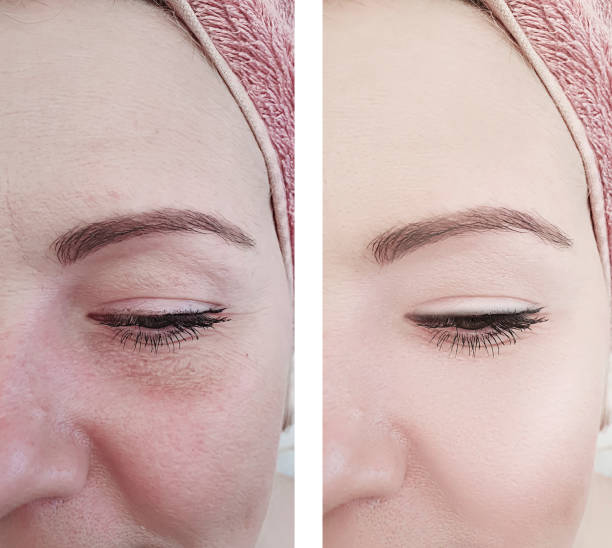
8. Consistency Usually Matters More Than Chasing Quick Fixes
Perhaps the biggest overlooked factor is consistency.
It is tempting to look for a product that promises dramatically younger-looking eyes overnight. But healthy-looking skin is generally supported by habits practiced over time.
A sensible routine might include:
- Gentle skincare
- Regular moisturization
- Sun protection
- Adequate sleep
- A balanced diet
- Staying hydrated
- Avoiding unnecessary irritation
- Considering nutritional support where appropriate
The objective is not perfection. It is creating a routine that you can realistically maintain.
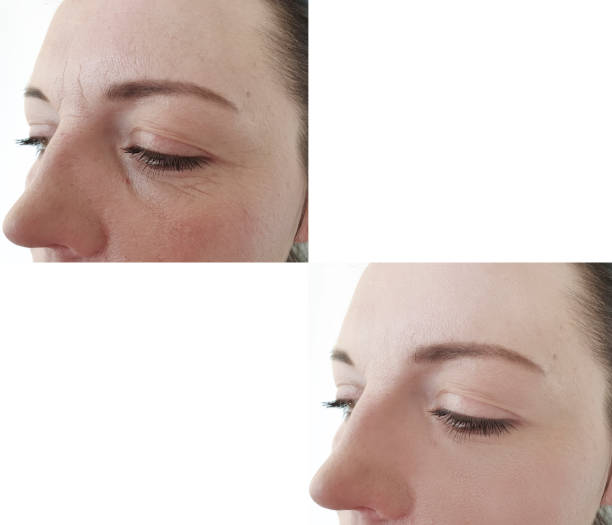
Where Kollagen Intensiv Fits Into a Skin-Aging Routine
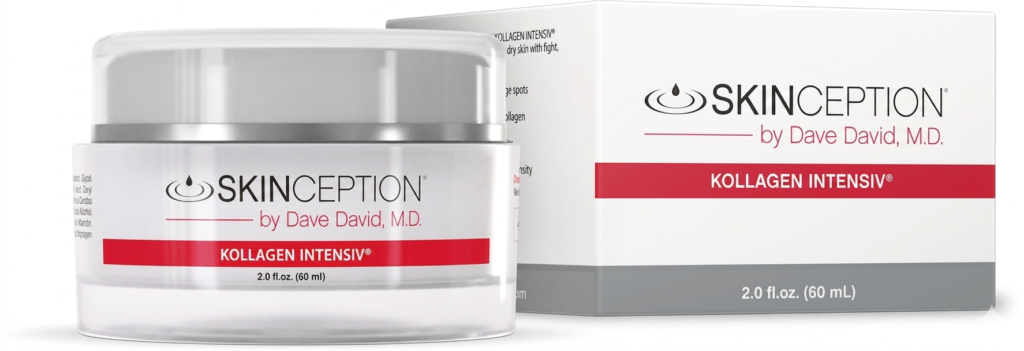
If you are interested in supporting your skin as part of a broader beauty routine, Kollagen Intensiv is one option worth exploring.
Kollagen Intensiv is a collagen-focused beauty supplement designed for women who want to incorporate collagen support into their daily routine.
Rather than thinking of it as a quick fix specifically for eye bags, it makes more sense to consider it as part of a longer-term approach to skin care and overall skin appearance.
That distinction is important. No supplement can guarantee that eye bags, wrinkles, puffiness, or other visible signs of aging will disappear. Individual results can vary.
The better approach is to combine realistic expectations with consistent habits that support your skin over time.
The Bottom Line
When eye bags become more noticeable, it is easy to focus on the mirror and search for one quick solution.
But the appearance of the under-eye area can be influenced by much more than one late night or one skincare product. Aging, collagen changes, hydration, sun exposure, genetics, facial structure, and everyday habits can all play a role.
Understanding these factors can help you take a more balanced approach.
If you are looking for ways to support your skin as it changes with age, consider building a consistent skincare and wellness routine—and explore whether a collagen supplement such as Kollagen Intensiv fits your personal approach.
Your goal doesn’t have to be turning back the clock. It can simply be helping your skin look and feel its best as you move forward.