Photos can be surprisingly unforgiving. You may feel rested and think your skin looks perfectly normal, then see a picture and wonder why your eyes suddenly look swollen, tired, or older than you expected.
The good news is that puffy-looking eyes in photos do not always mean your skin is aging dramatically. Lighting, facial position, hydration, sleep, and the way the camera captures shadows can all make the area around your eyes appear more pronounced.
However, there is another factor worth understanding: skin changes as we age, including gradual changes in collagen and moisture levels. When the delicate skin around the eyes becomes less firm and resilient, puffiness, fine lines, and shadows may become more noticeable.
Here are seven common reasons your eyes may look puffy in photos—and what you can do to support healthier-looking skin.
1. The Camera Can Emphasize Shadows
One of the biggest reasons your eyes may look puffier in a photo has nothing to do with sudden changes in your face.
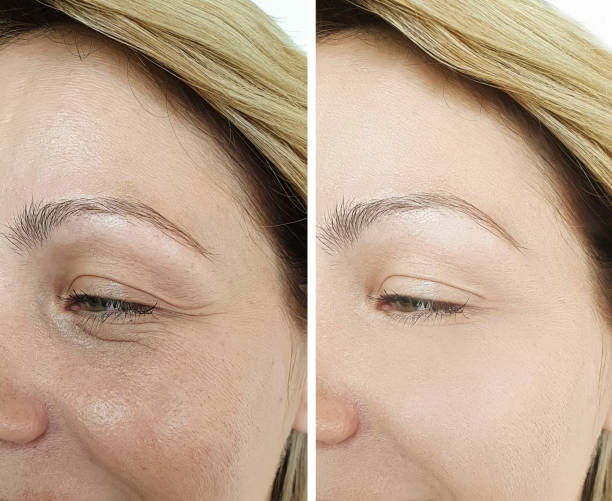
Light coming from above, from the side, or from a harsh flash can create shadows underneath your eyes. Those shadows can make the area look deeper, darker, and more swollen than it appears in normal lighting.
Your camera angle matters too. A photograph taken from slightly below eye level can emphasize areas that you normally do not notice in the mirror.
Try changing your photo conditions
Natural, front-facing light is often more flattering than strong overhead lighting. Keeping the camera closer to eye level can also reduce dramatic shadows.
Sometimes, the “puffiness” you see in a photo is simply the way light interacts with your facial features.
2. Lack of Sleep Can Affect Your Appearance
A late night can show up around your eyes.
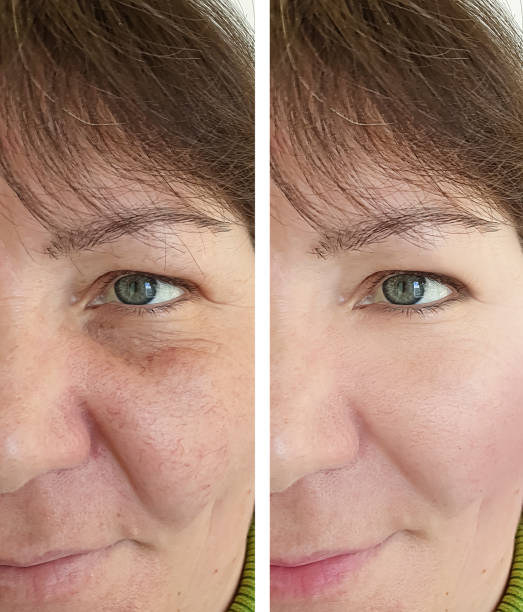
When you have not had enough sleep, your face may look less refreshed, and the area beneath your eyes can appear darker or puffier. This can become particularly obvious in photographs because cameras capture subtle differences in shadows and skin tone.
While an occasional poor night’s sleep is normal, consistently getting inadequate rest can make it harder for your skin to maintain a fresh, rested appearance.
Aim for a consistent sleep routine and give your body enough time to recover.
3. Your Skin May Be Holding More Fluid
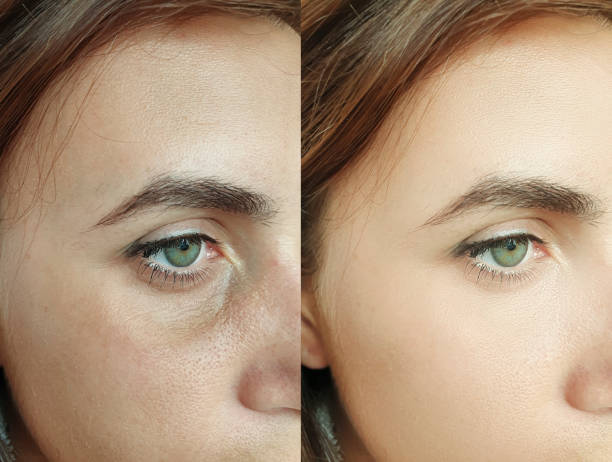
Temporary fluid retention can contribute to a puffy-looking face, particularly around the eyes.
Your appearance can vary from one day to another depending on factors such as your routine, diet, hydration, sleep, and other everyday circumstances.
This is one reason you should not judge your skin based on a single photograph.
If your eyes look noticeably different from one day to the next, temporary changes may be playing a larger role than permanent skin aging.
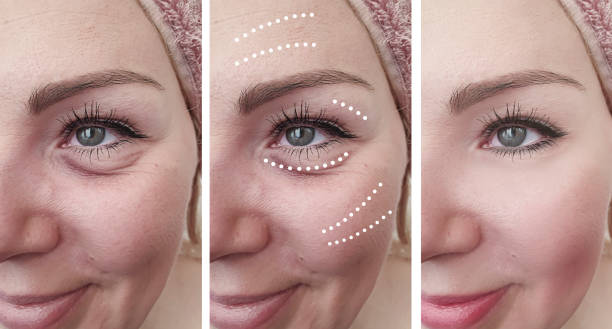
4. Dehydrated Skin Can Make Fine Lines More Noticeable
Skin that lacks moisture can look less smooth and plump. Around the eyes, where the skin is especially delicate, this can make fine lines and texture more visible.
That does not necessarily mean you have suddenly developed more wrinkles. Instead, changes in the skin’s surface can make existing lines stand out more strongly in certain lighting.
Support your skin’s moisture barrier
Using a gentle skincare routine and an appropriate moisturizer can help support the skin’s natural barrier.
And remember that hydration is not just about what you put on your skin. Drinking enough fluids throughout the day is also part of maintaining overall skin health.
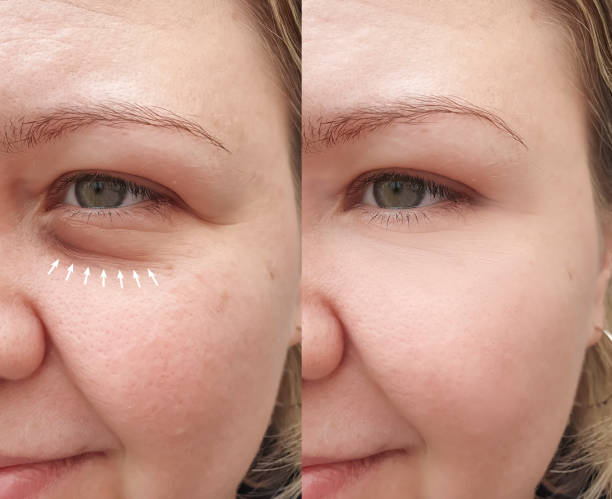
5. Collagen Changes With Age
Here’s the factor many people overlook when they focus exclusively on creams and serums: collagen naturally changes as we get older.
Collagen is an important structural protein found throughout the body and skin. It contributes to the skin’s structure, firmness, and overall appearance.
As part of normal aging, collagen production gradually declines. Over time, this can contribute to changes in skin firmness, elasticity, and the appearance of fine lines.
Around the eyes, these changes can make shadows, creases, and puffiness more noticeable in photographs.
This does not mean collagen loss is the only reason your eyes look different. It is simply one piece of the larger picture of skin aging.
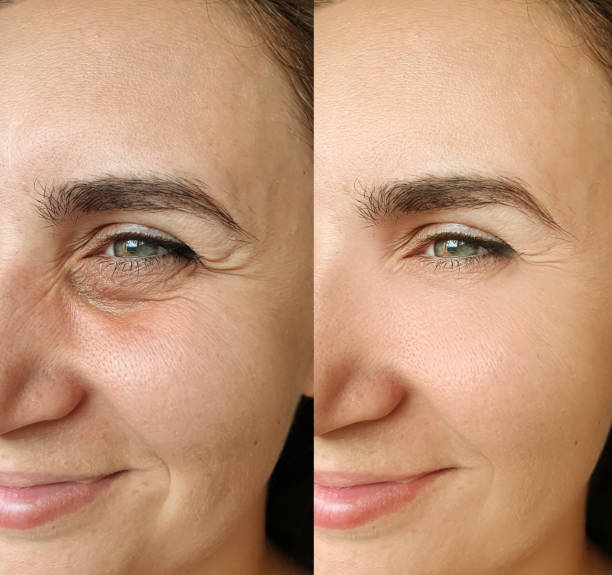
6. Your Skincare Routine May Not Be Supporting Your Skin From Every Angle
Many people concentrate on what they can immediately see: wrinkles, dark circles, or uneven texture.
But healthy-looking skin involves more than targeting one visible concern.
A balanced approach can include gentle cleansing, moisturizing, sun protection, a nutritious diet, adequate sleep, and ingredients or supplements that fit your personal skincare goals.
This is where collagen-focused products may be worth considering as part of a broader routine.
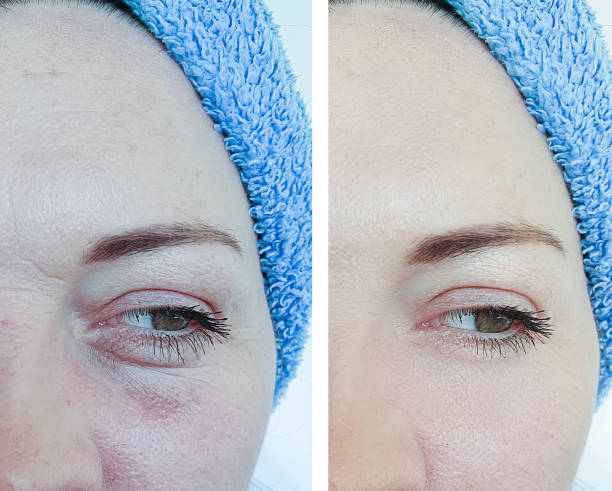
Where Kollagen Intensiv Fits In
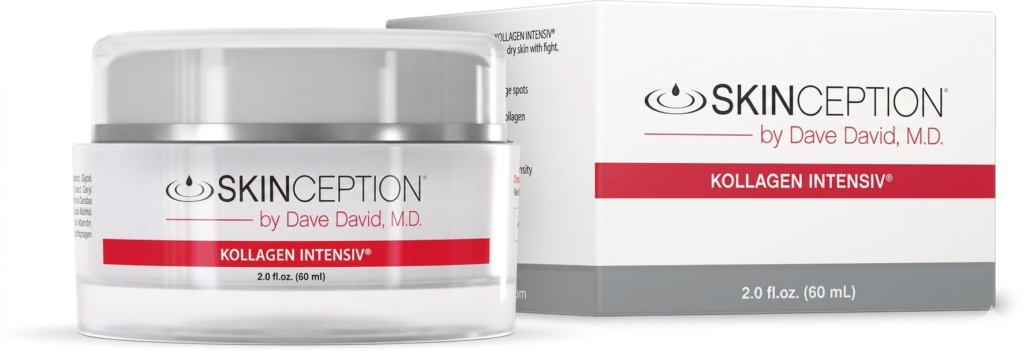
Kollagen Intensiv is a collagen-focused beauty supplement designed for people interested in supporting the appearance of their skin from within.
Rather than treating it as a quick fix for puffy eyes, it makes more sense to view a product like Kollagen Intensiv as one component of an overall beauty and skincare routine.
Individual experiences can vary, and no supplement should be expected to completely eliminate puffiness, wrinkles, or other signs of aging.
The goal is to support your skin consistently rather than expecting overnight changes.
7. You’re Comparing Yourself to a Perfectly Edited Photo
This may be the most overlooked reason of all.
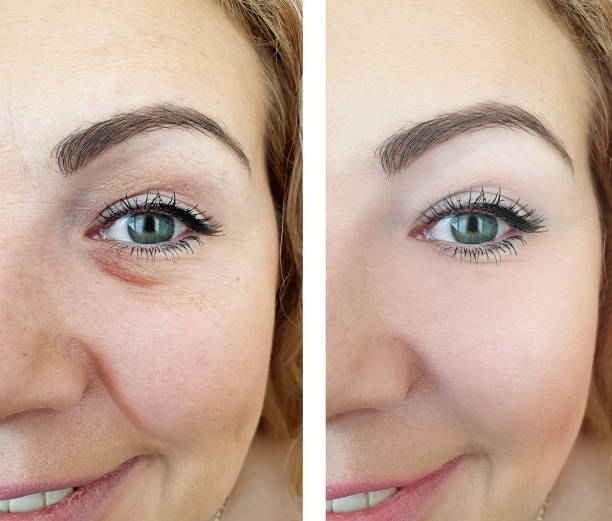
Today’s photographs are frequently affected by filters, editing, lighting adjustments, camera processing, and carefully selected angles.
That means the person you see in a social media photograph may not look exactly the same in everyday life.
Comparing an unedited photo of yourself to a carefully posed and edited image of someone else can create unrealistic expectations about what normal skin should look like.
Your face is supposed to have texture, expression lines, shadows, and natural variations.
How to Make Your Eyes Look More Refreshed in Photos
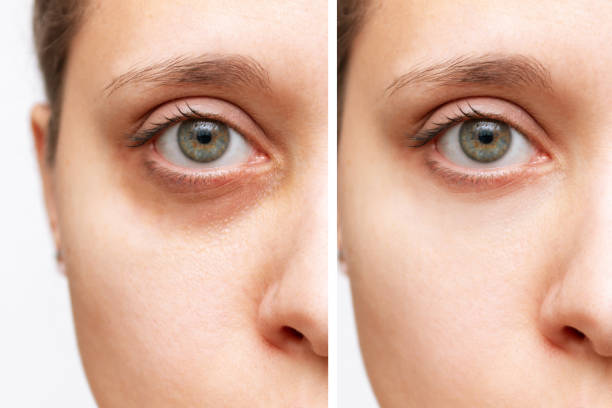
If puffy-looking eyes are a recurring concern, focus on the fundamentals:
- Get consistent, quality sleep.
- Stay adequately hydrated.
- Use moisturizer to support comfortable, hydrated-looking skin.
- Protect your skin from excessive sun exposure.
- Avoid an overly complicated skincare routine that irritates your skin.
- Pay attention to lighting and camera angle when taking photographs.
- Consider collagen-focused nutrition or supplementation as part of a broader skin-support routine.
The goal is not to make your face look completely different. It is to support healthy-looking skin and understand the factors that influence how your appearance changes from one photograph to another.
Final Thoughts
If your eyes look puffy in photos, don’t immediately assume that your skin is suddenly aging faster.
Lighting, sleep, fluid retention, hydration, camera angles, collagen changes, and even photo editing can all influence what you see.
Understanding these factors can help you take a more realistic approach to skincare. Instead of chasing every new wrinkle or criticizing yourself over one unflattering photograph, focus on consistent habits that support your skin over time.
If you’re particularly interested in supporting your skin’s collagen as part of your beauty routine, Kollagen Intensiv may be worth exploring alongside good nutrition, hydration, sleep, sun protection, and a consistent skincare routine.
Your next photo doesn’t have to define how you feel about your skin. Focus on supporting it consistently—and let the small improvements add up over time.