As the years go by, you may notice something about your appearance that has nothing to do with how you actually feel: your face can start to look tired even after a good night’s sleep.
A dull complexion, fine lines, less-defined facial contours, or shadows around the eyes can all contribute to an older or more fatigued appearance. While these changes are a natural part of aging, understanding what is happening beneath the surface can help you make more informed skincare and nutrition choices.
One important factor is collagen. Collagen is a structural protein that helps support the skin’s firmness and overall appearance. As we age, the body’s natural collagen production gradually declines, which can contribute to visible changes in the skin.
Here are 8 common reasons your face may look more tired with age—and what you can do about them.
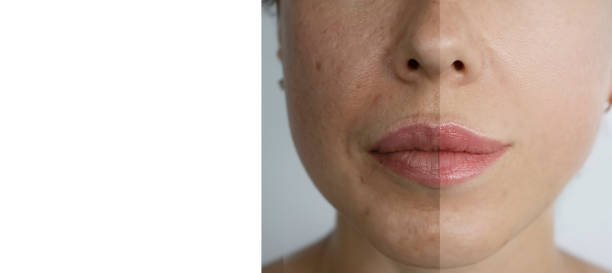
1. Natural Collagen Decline
Collagen provides structural support within the skin. When collagen levels and production change with age, skin may gradually lose some of its youthful-looking firmness and elasticity.
This can make facial lines more noticeable and contribute to a softer or less-defined appearance.
You cannot stop the natural aging process, but supporting your overall skin health becomes increasingly important as you get older.
2. Fine Lines Become More Noticeable
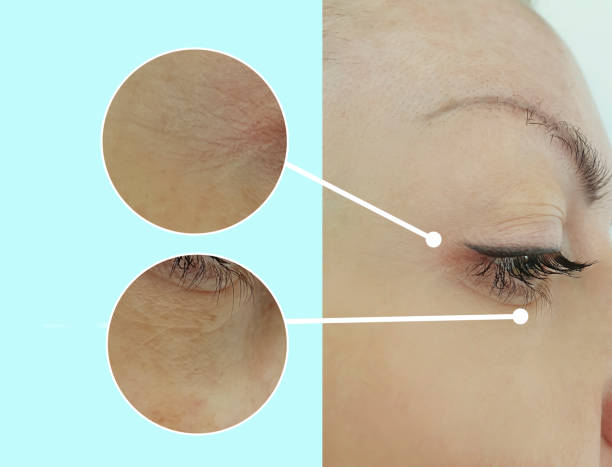
Fine lines are another reason the face can appear tired.
Repeated facial expressions, environmental exposure, and natural changes in skin structure can make lines around the eyes, forehead, and mouth increasingly visible over time.
These lines aren’t necessarily a sign that something is wrong. They’re simply one of the visible ways skin changes as we age.
A consistent skincare routine, adequate hydration, sun protection, and healthy lifestyle habits can all play a role in maintaining a healthy-looking complexion.
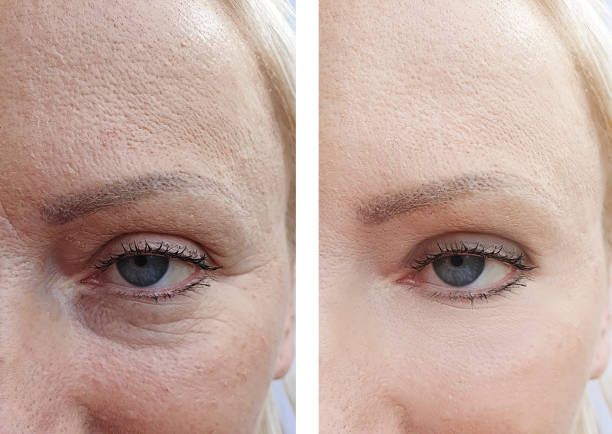
3. The Under-Eye Area Changes
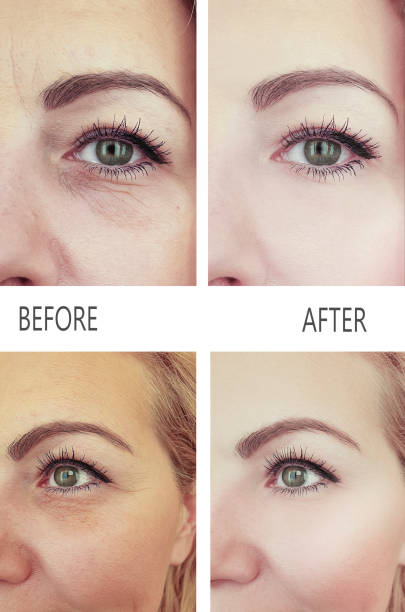
The skin around the eyes is particularly delicate, which is why changes in this area can have a major effect on your overall appearance.
Dark-looking circles, puffiness, fine lines, and shadows can make someone appear tired even when they feel perfectly rested.
Age-related changes in skin structure can contribute to this effect. Genetics, sleep patterns, hydration, and environmental factors can also influence how the eye area looks.
4. Skin Can Become Drier
Another reason an older face may appear tired is changing skin hydration.
When skin becomes dry, its surface can look less smooth and radiant. Fine lines may also appear more prominent, particularly when the skin lacks adequate moisture.
Using a gentle moisturizer and avoiding unnecessarily harsh skincare products can help maintain a comfortable, hydrated-looking complexion.
Drinking enough water and maintaining a balanced diet are also sensible parts of an overall skin-health routine.
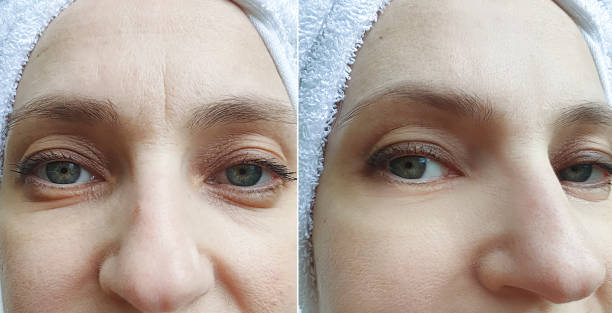
5. Sun Exposure Adds Up
Years of exposure to ultraviolet (UV) radiation can contribute significantly to visible skin aging.
Sun exposure is associated with changes such as uneven pigmentation, fine lines, and loss of the skin’s youthful-looking appearance.
This is why daily sun protection remains one of the most important long-term steps you can take for your skin.
A broad-spectrum sunscreen, protective clothing, shade, and sensible sun habits can help reduce unnecessary UV exposure.
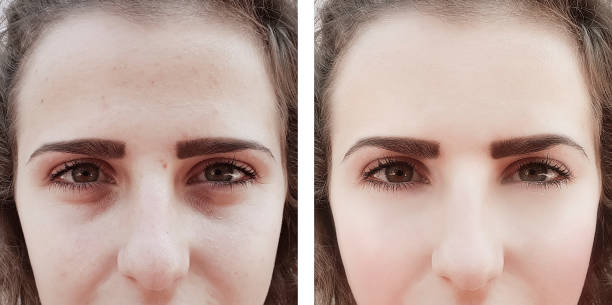
6. Facial Contours Can Look Less Defined
Have you ever looked at an older photograph of yourself and noticed that your facial contours appeared different?
Changes in collagen, skin elasticity, and other tissues beneath the skin can gradually affect how the face looks.
As the definition changes, the face may appear softer or more fatigued—even though your actual energy levels haven’t changed.
This is one reason why simply treating surface-level dryness may not address every aspect of an aging appearance.
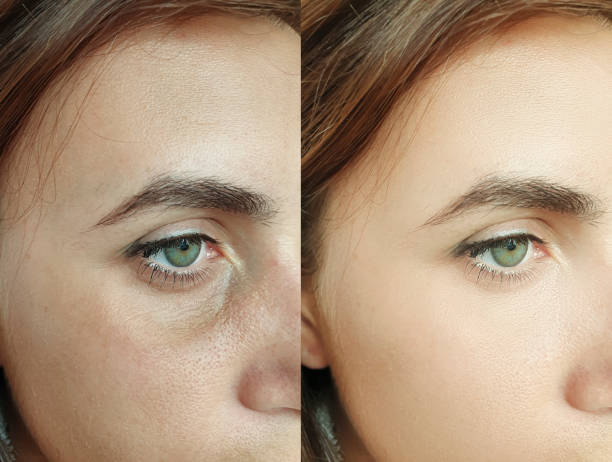
7. Lifestyle Factors Start Showing More
Your skin doesn’t exist separately from the rest of your body.
Sleep, nutrition, stress, alcohol consumption, smoking, physical activity, and hydration can all influence how your complexion looks from day to day.
Occasional poor sleep may leave almost anyone looking tired. Over longer periods, consistently unhealthy lifestyle habits can also affect overall skin appearance.
Rather than searching for one miracle solution, it makes sense to approach skin aging from several directions at once.
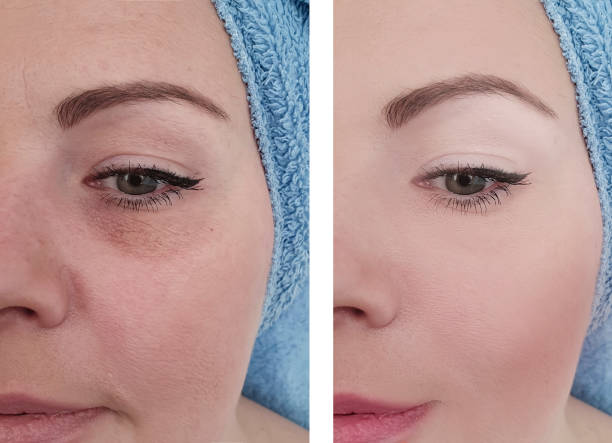
8. Your Skin’s Nutritional Support May Change
As we get older, paying attention to nutritional support becomes increasingly relevant.
A balanced diet provides the protein, vitamins, minerals, and other nutrients the body needs for normal function, including maintaining healthy skin.
Collagen-containing foods and nutrients involved in collagen production can be part of this approach. Some people also choose collagen supplements as an additional source of collagen peptides.
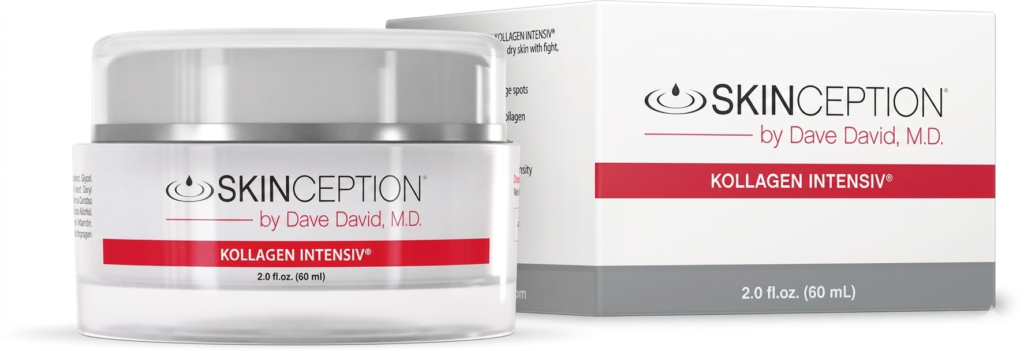
One option worth researching is Kollagen Intensiv, a collagen-focused supplement designed to complement an overall skincare and wellness routine.
It shouldn’t be viewed as a replacement for a balanced diet, sun protection, skincare, or healthy lifestyle habits. Instead, it can be considered as one potential addition for people interested in supporting their skin from within.
How to Help Your Face Look More Refreshed
There isn’t one single reason why the face can appear more tired with age, so there isn’t necessarily one single solution either.
Consider building your routine around a few consistent fundamentals:
- Protect your skin from excessive sun exposure.
- Keep your skin moisturized.
- Eat a balanced, nutrient-rich diet.
- Get adequate sleep whenever possible.
- Stay physically active.
- Avoid smoking.
- Pay attention to hydration.
- Consider whether collagen supplementation fits your personal routine.
Consistency is generally more useful than constantly switching between new products and complicated routines.
Final Thoughts
Looking more tired with age doesn’t necessarily mean you are actually more tired. Natural changes in collagen, hydration, skin elasticity, sun exposure, facial contours, and lifestyle can all contribute to the way your face looks over time.
The good news is that understanding these changes can help you make smarter choices about your skincare and overall wellness routine.
If you’re interested in supporting your skin from within, Kollagen Intensiv may be worth exploring as part of a broader approach to healthy aging. Take the time to learn about its ingredients and decide whether it fits your individual needs and lifestyle.
Your goal doesn’t have to be to look like a completely different person. Sometimes, it’s simply about helping your skin look as healthy, hydrated, and refreshed as possible at every stage of life.