There are plenty of obvious signs of skin aging—fine lines, wrinkles, dryness, and loss of firmness. But sometimes your skin can look older even when those classic signs aren’t particularly noticeable.
Why? Because the appearance of youthful skin depends on more than wrinkles alone.
Subtle changes in hydration, texture, elasticity, lifestyle, and collagen production can all influence how fresh, smooth, and rested your complexion appears. Some of these factors are easy to overlook because they happen gradually.
Understanding them can help you build a more complete approach to maintaining healthy-looking skin as you age.
1. Gradual Collagen Loss
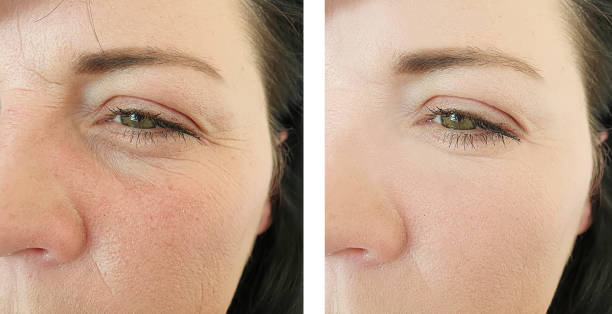
Collagen is one of the most important structural proteins in the skin. It helps provide support, firmness, and structure.
As we get older, the body’s natural production of collagen gradually declines. This can contribute to changes in skin texture and firmness, making lines and wrinkles more noticeable over time.
The important point is that collagen loss isn’t always immediately obvious. You may first notice that your skin doesn’t appear quite as plump or resilient as it once did.
Why collagen matters
Think of collagen as part of the skin’s internal support system. When that support gradually changes, the surface of the skin can begin to look less smooth and firm.
That is one reason why supporting your skin from both the outside and inside can become increasingly important as part of an overall skincare routine.
2. Dehydrated-Looking Skin
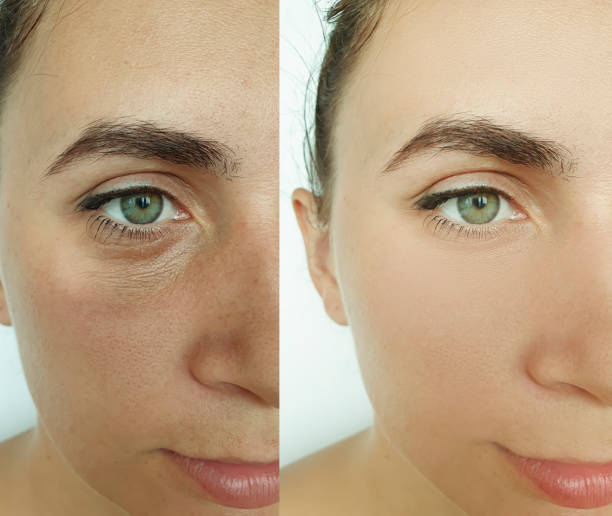
Dryness and dehydration can make skin appear older than it actually is.
When the skin lacks sufficient moisture, fine lines can become more noticeable and the complexion may look dull, rough, or tired. Even if you don’t have significant wrinkles, a dehydrated appearance can make your face look less refreshed.
Hydration affects appearance
Moisturized skin generally looks smoother and more supple. That’s why consistent hydration—both through sensible skincare and adequate fluid intake—is an important part of maintaining a healthy-looking complexion.
A good moisturizer can help support the skin’s surface, while your overall lifestyle can influence how your skin looks and feels.
3. Poor Sleep Can Show on Your Face
You don’t necessarily need a dramatic skincare problem to look tired. Sometimes, the biggest difference is simply how rested you look.
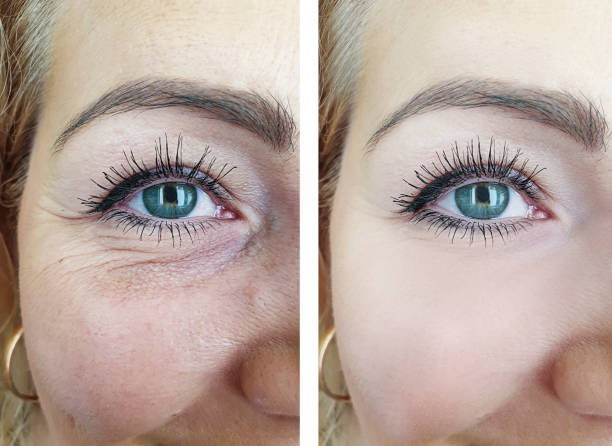
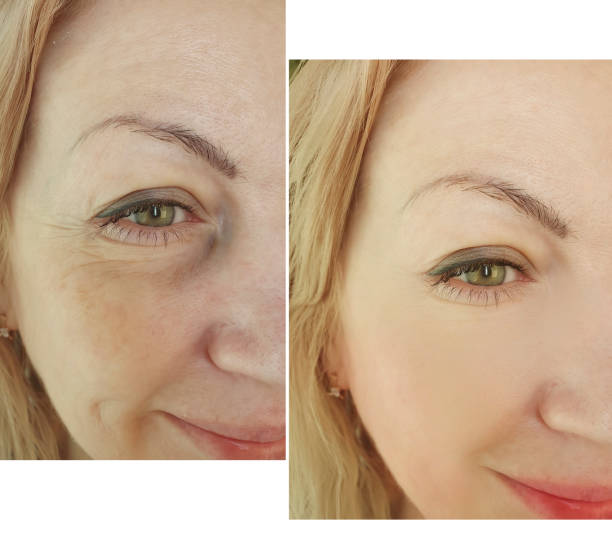
Poor or inconsistent sleep can contribute to a dull-looking complexion and make areas such as the under-eyes appear more tired.
The “tired face” effect
When you’re consistently running on too little sleep, your skin may not have the same fresh, rested appearance you associate with a good night’s sleep.
That doesn’t mean one late night will suddenly age your skin. Instead, it’s about the cumulative effect of everyday habits.
Getting consistent, quality sleep is therefore just as relevant to your overall appearance as the products sitting on your bathroom shelf.
4. Too Much Sun Exposure
Sun exposure is one of the most significant environmental factors associated with visible skin aging.
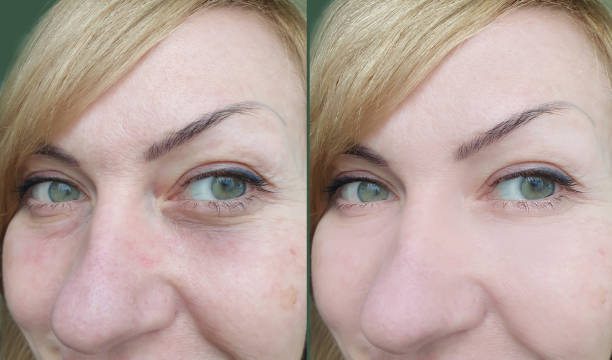
Over time, repeated exposure to ultraviolet (UV) radiation can contribute to changes in skin texture, pigmentation, and the appearance of fine lines.
Prevention matters
One of the simplest ways to protect the appearance of your skin is to make sun protection part of your daily routine.
Using broad-spectrum sunscreen, seeking shade when appropriate, and wearing protective clothing can all help reduce unnecessary UV exposure.
Skincare doesn’t have to be complicated. Sometimes the most effective strategy is simply being consistent with the basics.
5. Your Skin’s Texture Is Changing
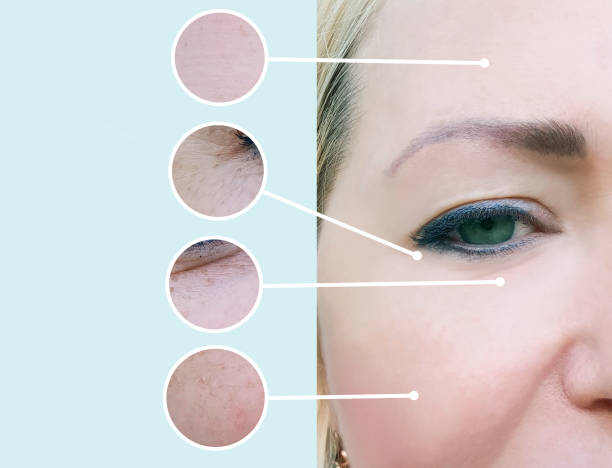
When people think about aging skin, they often focus exclusively on wrinkles. Texture deserves attention too.
Skin can gradually become less smooth, and uneven texture may make the complexion look less youthful even when wrinkles aren’t particularly deep.
Smooth-looking skin reflects light differently
A smoother complexion tends to reflect light more evenly, which can create a fresher appearance. Roughness, dryness, and uneven texture can have the opposite effect.
Gentle cleansing, regular moisturizing, sun protection, and avoiding overly aggressive skincare routines can help support a smoother-looking complexion.
6. Lifestyle Habits Can Add Up
Your daily habits may have more influence on your appearance than you realize.
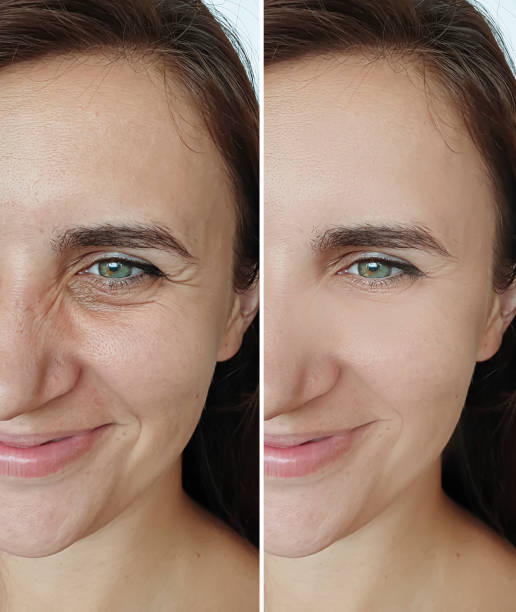
Smoking, excessive alcohol consumption, an unbalanced diet, chronic stress, inactivity, and poor sleep can all work against the healthy appearance you’re trying to maintain.
This doesn’t mean you need a perfect lifestyle.
Small improvements can be meaningful
Instead of trying to change everything at once, focus on sustainable habits. Eat a balanced diet, stay active, prioritize sleep, manage stress where possible, and avoid habits known to negatively affect overall health and skin.
Your skin is part of your body, so taking care of your general wellbeing can naturally become part of your skincare strategy.
7. You’re Only Treating the Surface
Perhaps the most overlooked factor is focusing entirely on what you put on your skin.
Creams, serums, cleansers, and sunscreen all have an important role to play. But the skin’s appearance is also influenced by what happens underneath the surface, including natural changes in collagen production as we age.
That’s why some people choose to complement their topical skincare routine with nutritional support.
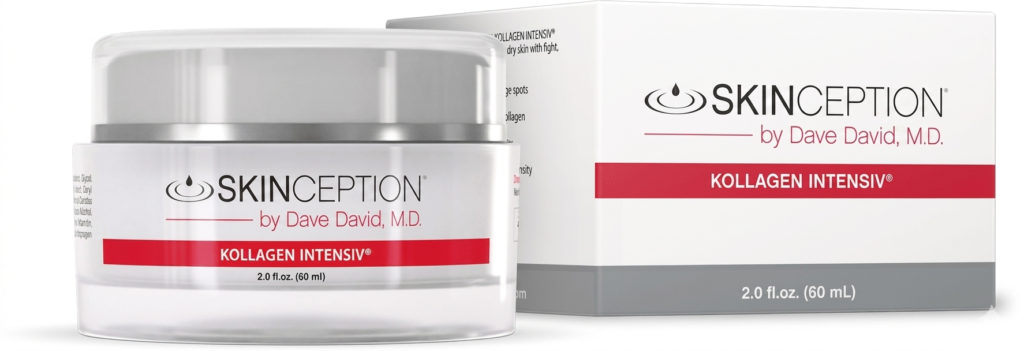
Where Kollagen Intensiv Fits In
Rather than viewing a collagen supplement as a replacement for good skincare habits, it makes more sense to think of it as one potential addition to an overall routine that includes a balanced diet, hydration, sun protection, sleep, and consistent skincare.
As with any supplement, individual experiences can vary, and it is important to follow the product’s directions and consider your own circumstances.
The Bigger Picture of Younger-Looking Skin
Looking younger isn’t necessarily about eliminating every wrinkle.
A healthy-looking complexion is influenced by many different factors: collagen, hydration, sun exposure, sleep, lifestyle, and skin texture can all play a role.
The good news is that many of these factors are within your control.
Instead of chasing one miracle ingredient or constantly switching skincare products, focus on building consistent habits that support your skin over time.
Final Thoughts
If your skin suddenly seems more tired, dull, dry, or less firm than it used to, wrinkles may not be the whole story.
The seven hidden factors above can all contribute to how your complexion looks—and some are surprisingly easy to overlook.
Start with the basics: protect your skin from excessive sun exposure, stay hydrated, prioritise sleep, maintain healthy lifestyle habits, and use a consistent skincare routine. If you’re interested in adding collagen support to that routine, Kollagen Intensiv is another option worth exploring.
Your skin doesn’t need perfection to look healthy and refreshed. It needs consistent care—and understanding what’s really influencing its appearance is a great place to start.