Waking up with more noticeable eye bags can be frustrating—especially when you feel like the rest of your skin looks perfectly fine. Sometimes, the change isn’t simply about getting older. Everyday habits, environmental factors, hydration, sleep, and the natural changes happening beneath the skin can all influence how prominent the area under your eyes appears.
The skin around the eyes is particularly delicate, which means subtle changes can become visible quickly. As we age, the skin gradually loses some of its firmness and elasticity, while collagen production naturally declines. This can make shadows, puffiness, and under-eye texture more noticeable.
The good news is that understanding what may be contributing to the appearance of eye bags can help you make smarter choices for your skin.
1. Not Getting Enough Quality Sleep
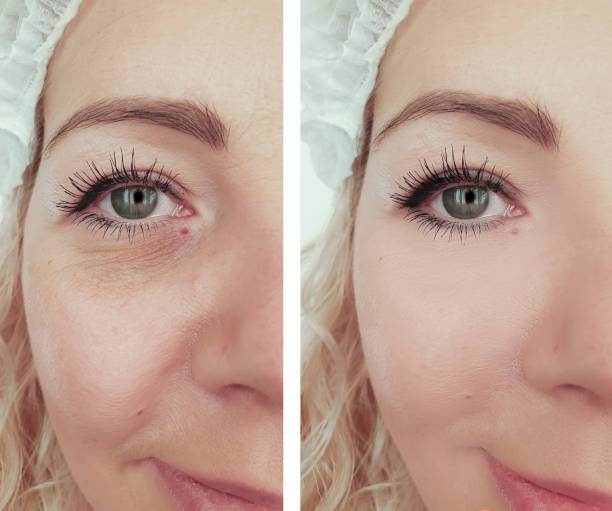
One of the most obvious contributors to a tired-looking eye area is poor sleep.
When you don’t get enough rest, your eyes can appear heavier and the skin around them may look duller or more tired. Changes in fluid balance can also make morning puffiness more noticeable.
While one late night isn’t necessarily a problem, consistently poor sleep can make tired-looking eyes seem like an everyday feature.
Creating a regular sleep routine, limiting late-night screen time, and giving yourself enough time to rest can all support a fresher-looking appearance.
2. Too Much Sodium In Your Diet
Your everyday diet can also affect how your face looks.
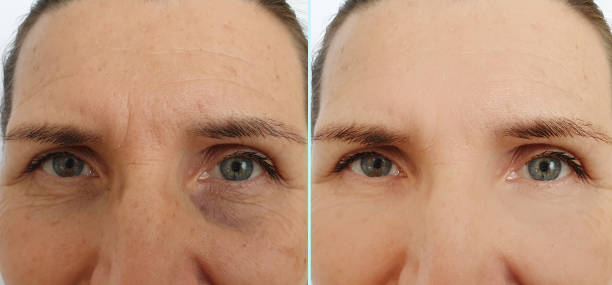
Eating particularly salty meals may cause your body to retain more water. For some people, this can contribute to temporary puffiness, including around the eyes.
This doesn’t mean you need to eliminate salt completely. Instead, paying attention to your overall dietary pattern and choosing a balanced range of foods can help you avoid excessive sodium intake.
Drinking enough water throughout the day is also an important part of maintaining normal hydration.
3. Dehydrated-Looking Skin
When skin becomes dehydrated, fine lines and uneven texture can sometimes appear more noticeable.
The under-eye area is especially thin and delicate, so even relatively subtle changes in skin hydration may affect how the area looks.
Moisturizing regularly can help support the skin’s surface and improve its overall appearance. It’s also worth remembering that hydration isn’t only about what you put on your skin—adequate fluid intake and a balanced lifestyle matter too.
4. Spending Too Much Time In The Sun
Sun exposure is another everyday factor worth considering.
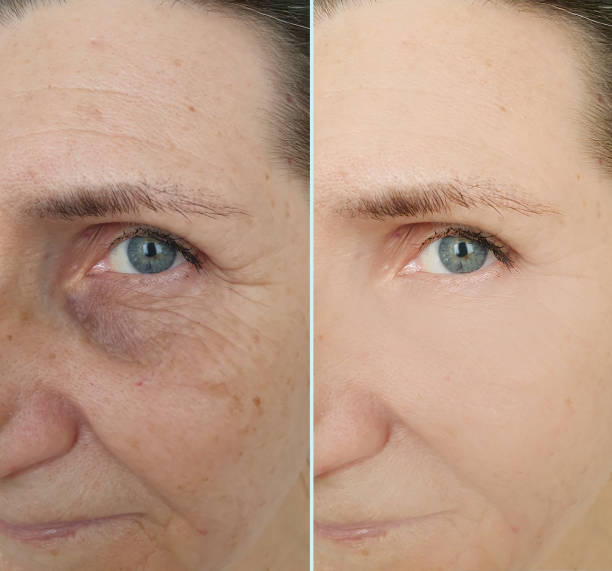
Ultraviolet exposure contributes to visible skin aging over time. Repeated exposure can affect the skin’s appearance, including its texture, firmness, and overall evenness.
Because the skin surrounding the eyes is so delicate, protecting this area is particularly important.
Wearing sunglasses, seeking shade, and using broad-spectrum sunscreen as appropriate can be useful parts of a consistent skincare routine.
5. Natural Collagen Loss With Age
This is one of the biggest changes people often overlook.
Collagen is a structural protein naturally found throughout the skin. It helps provide support and contributes to the skin’s firmness and structure.
Unfortunately, collagen production naturally decreases as we get older.
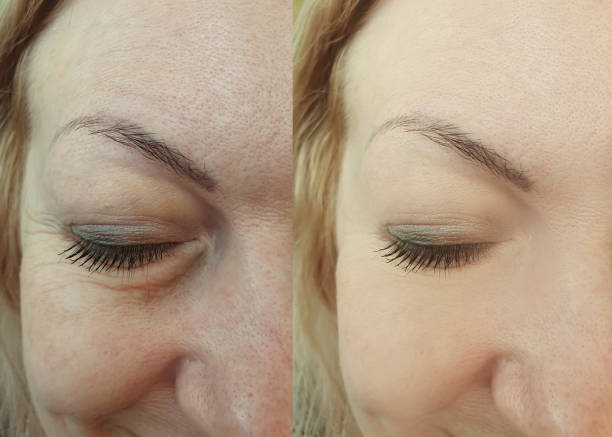
As this happens, skin can gradually become less firm and more delicate. Changes in the tissue around the eyes can make under-eye shadows, fine lines, hollowness, and bags appear more noticeable.
This is a normal part of aging—not something you have necessarily done wrong.
Understanding the role of collagen can therefore be useful when building a long-term approach to maintaining healthy-looking, youthful-looking skin.
6. Rubbing Or Irritating The Eye Area
The skin around your eyes doesn’t need much encouragement to become irritated.
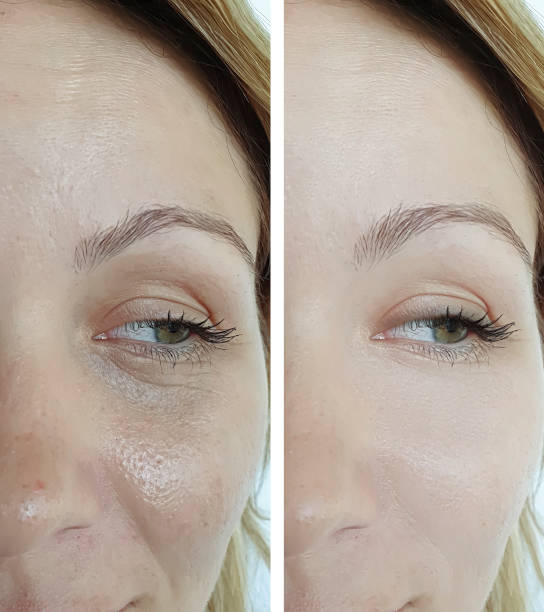
Rubbing your eyes frequently, removing makeup too aggressively, or using products that don’t agree with your skin can leave the area looking temporarily irritated or puffy.
Instead, treat the area gently. When cleansing or removing makeup, avoid unnecessary rubbing and choose skincare products that are appropriate for your skin type.
Small changes in how you handle this delicate area can make your routine much more skin-friendly.
7. Your Genetics And Natural Facial Structure
Sometimes, eye bags aren’t primarily caused by your lifestyle at all.
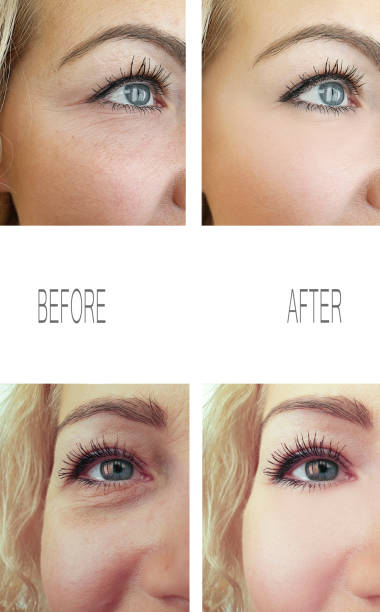
Genetics and natural facial structure can strongly influence how the area beneath the eyes looks. Some people naturally have more prominent under-eye contours, while others may develop noticeable bags earlier than expected.
That’s important because it means there isn’t always a single habit you can eliminate to completely change the appearance.
Instead of chasing one “miracle” solution, a more realistic approach is to focus on overall skin care, sun protection, hydration, healthy habits, and ingredients that support the appearance and condition of your skin.
Where Does Collagen Fit Into Your Skincare Routine?
If you’re concerned about an aging-looking eye area, collagen is worth understanding—but it should be viewed as part of the bigger picture.
Collagen naturally supports the skin’s structure, and declining collagen is one of the changes associated with aging skin. However, no single skincare product or ingredient can stop the natural aging process.
This is where a consistent routine becomes more important than looking for an overnight solution.
Gentle cleansing, moisturizing, sun protection, adequate sleep, balanced nutrition, and attention to hydration can all contribute to healthier-looking skin over time.
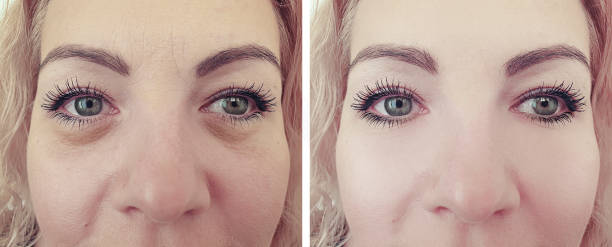
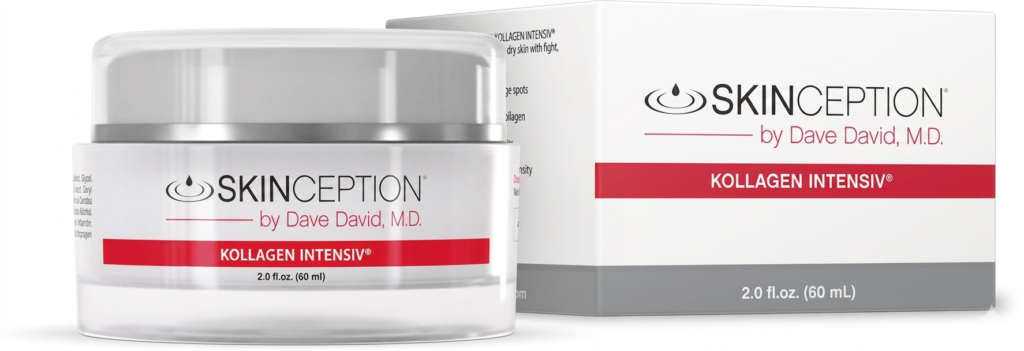
Considering Kollagen Intensiv?
If you’re looking for a product specifically designed to complement your approach to youthful-looking skin, Kollagen Intensiv is one option to explore.
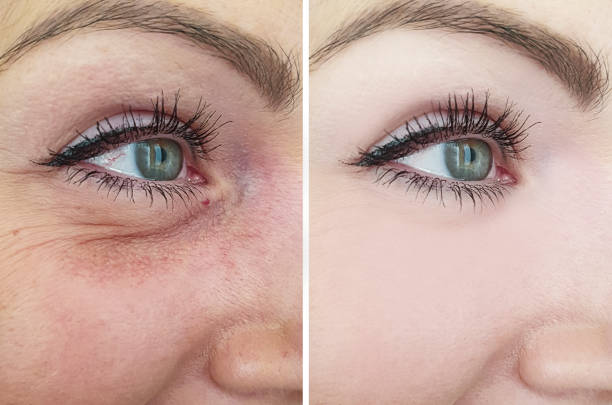
Rather than viewing it as a quick fix for eye bags, it’s more sensible to consider it as part of a broader skin-supporting routine. The product is formulated with a focus on collagen and skin appearance, making it relevant for people interested in addressing the visible signs commonly associated with aging skin.
As with any beauty product, individual experiences can vary, so it’s important to review the product information and ingredients and decide whether it fits your personal skincare goals.
The Bottom Line
More noticeable eye bags aren’t always caused by one thing.
Poor sleep, dietary habits, dehydration, sun exposure, natural collagen loss, irritation, and genetics can all play a role in how the delicate under-eye area looks.
The most useful approach is to focus on the factors you can control while accepting that some changes are simply part of getting older.
Protect your skin from excessive sun exposure, stay hydrated, get consistent sleep, treat the eye area gently, and build a skincare routine that supports your long-term goals.
And if you’re interested in supporting the appearance of firmer, more youthful-looking skin, Kollagen Intensiv may be worth exploring as part of that routine.
Want to learn more about Kollagen Intensiv and how it fits into a collagen-focused skincare approach? Explore the product and see whether it’s right for you.