Waking up with noticeable eye bags can be frustrating, especially when you feel like your face looks more tired than you actually feel. While under-eye bags are a normal part of facial aging, certain everyday habits and skin changes can make them appear more prominent.
The skin around your eyes is delicate and can be affected by changes in hydration, sleep, lifestyle, and the gradual decline of structural proteins such as collagen. Understanding what may be making eye bags stand out is a useful first step toward improving the overall appearance of the under-eye area.
Here are 10 common factors worth knowing about.
1. Lack of Quality Sleep
One of the most obvious factors is poor sleep.
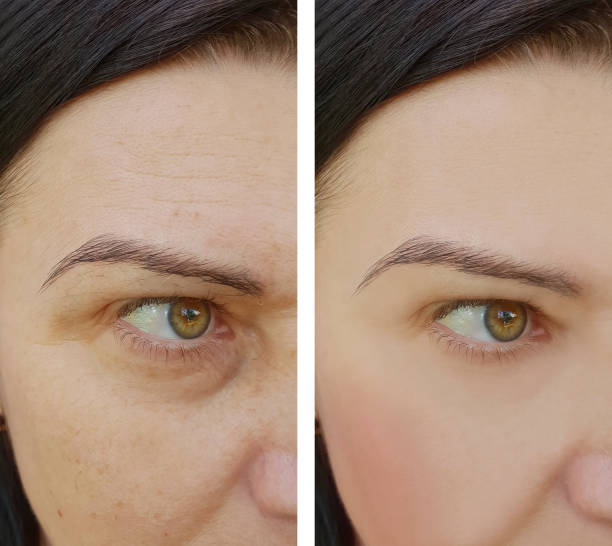
When you don’t get enough restorative sleep, your complexion can look dull and tired. The contrast between tired-looking skin and the natural shadows beneath the eyes can make bags appear more noticeable.
Consistently maintaining a healthy sleep routine may help your face look more refreshed.
2. Dehydrated-Looking Skin
When skin doesn’t have enough moisture, fine lines and texture can become more visible.
The delicate skin beneath the eyes can be particularly noticeable because it is thinner than much of the skin on the face. When this area looks dry or less supple, shadows and creases may stand out.
Staying adequately hydrated and using skincare designed for the delicate eye area can help support a smoother-looking appearance.
3. Natural Collagen Loss
Collagen plays an important role in the structure and firmness of skin.
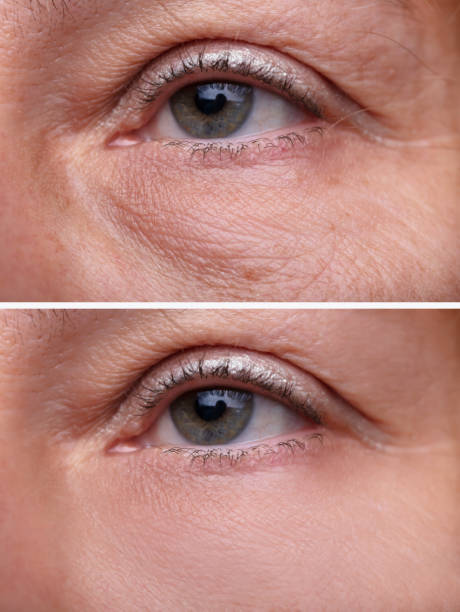
As we age, the body naturally produces less collagen. Over time, this can contribute to changes in skin firmness, elasticity, and texture. Around the eyes, these changes can make hollowness, fine lines, and under-eye shadows more noticeable.
This is one reason the appearance of the eye area can gradually change even when your skincare routine hasn’t changed.
Why Collagen Matters
Think of collagen as part of the skin’s structural framework. As that framework changes with age, skin may not look quite as firm or plump as it once did.
Supporting healthy-looking skin from both a skincare and lifestyle perspective can therefore become increasingly important over time.
4. Too Much Sodium
A salty meal can sometimes leave you feeling more bloated the next morning.
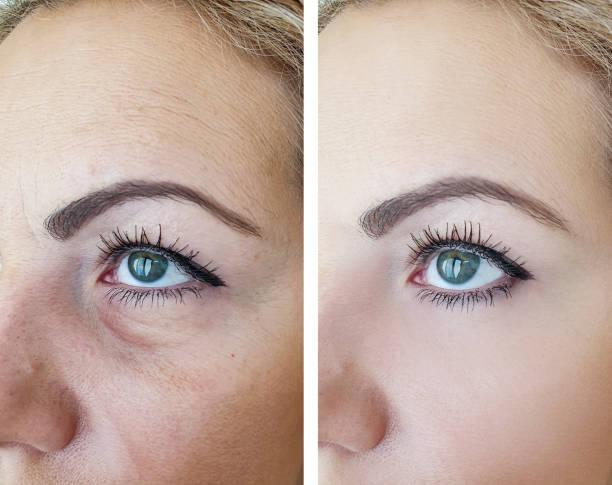
For some people, temporary fluid retention can also affect the appearance of the area around the eyes. If you regularly notice that your eyes look puffier after certain meals, your overall diet may be worth examining.
This doesn’t mean you need to eliminate sodium completely. Rather, paying attention to how your body responds to your usual eating habits can be helpful.
5. Rubbing Your Eyes
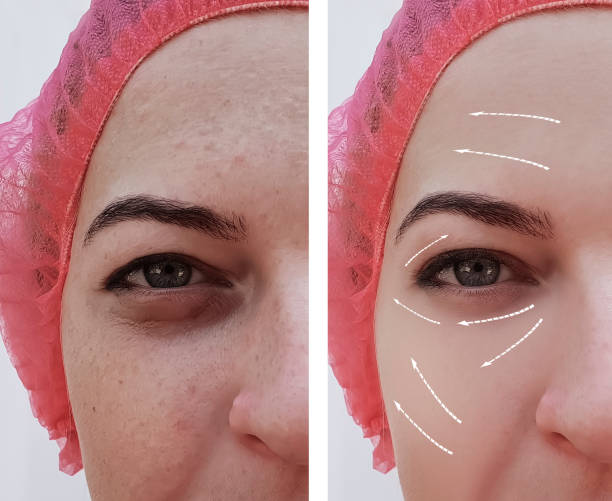
It’s easy to rub your eyes when you’re tired, dealing with irritation, or spending a long day looking at screens.
However, repeatedly rubbing or pulling at the delicate skin around your eyes isn’t ideal. The under-eye area is particularly sensitive, so treating it gently is important.
Instead of rubbing, try addressing the reason your eyes feel irritated or tired and use gentle movements when applying skincare.
6. Sun Exposure
Your skin is exposed to environmental stress every day, and the eye area is no exception.
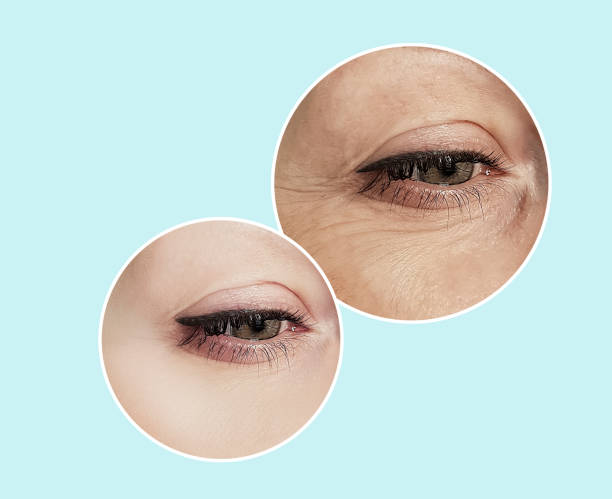
Excessive sun exposure can contribute to visible skin aging, including changes in texture and the appearance of fine lines. Because the skin around the eyes is delicate, protecting it should be part of an overall skincare routine.
Sunglasses, shade, and appropriate broad-spectrum sunscreen can all be useful parts of a sun-protection strategy.
7. Smoking
Smoking can negatively affect the overall appearance and condition of skin.
Over time, lifestyle factors such as smoking may contribute to premature-looking skin aging and changes in skin quality. If you’re concerned about maintaining a youthful-looking complexion, avoiding smoking is one of the broader lifestyle choices worth considering.
8. Stress and Exhaustion
Stress doesn’t necessarily create eye bags overnight, but prolonged periods of stress can affect sleep, routines, and overall well-being.
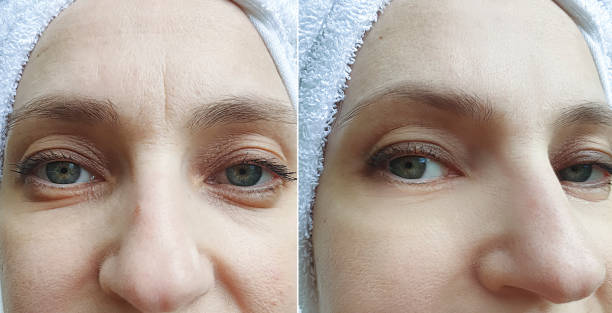
When you’re exhausted, it can show on your face. Darker-looking under-eye areas combined with puffiness, dryness, or tired-looking skin can make eye bags appear more prominent.
Making time for rest, relaxation, movement, and a consistent daily routine can benefit your overall appearance as well as your general well-being.
9. Skipping Your Skincare Routine
The skin around your eyes doesn’t need an overly complicated routine, but consistency matters.
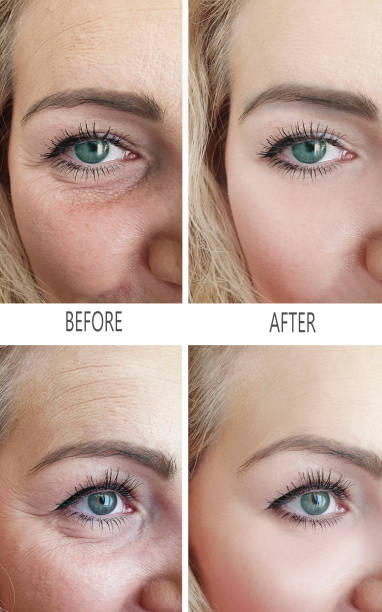
Neglecting basic skincare can leave your complexion looking dry or less cared for. Gentle cleansing, moisturizing, and daily sun protection can help maintain the appearance of healthy-looking skin.
Remember that skincare is about supporting the condition and appearance of your skin—not stopping the natural aging process.
10. Expecting One Cream to Do Everything
This may be the biggest mistake of all.
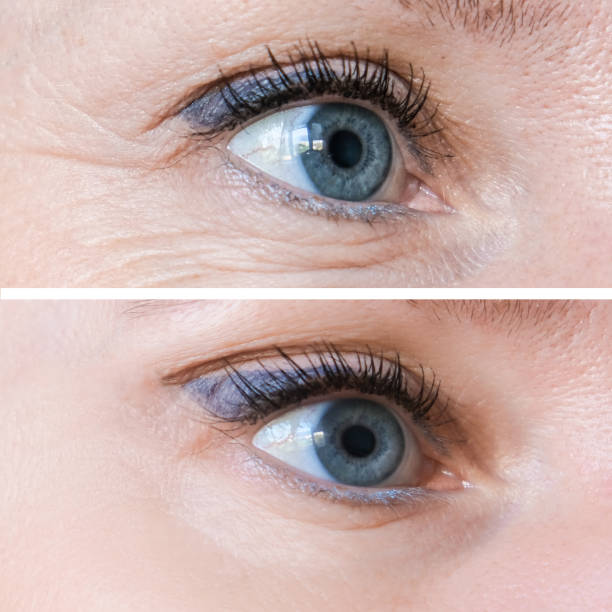
Eye bags can have several contributing factors, including genetics, facial structure, aging, skin changes, fluid retention, and lifestyle. That means there isn’t necessarily one magic cream or single ingredient that can make every concern disappear.
A better approach is to think about your skin more broadly.
That means paying attention to hydration, nutrition, sleep, sun protection, skincare, and the nutrients involved in maintaining normal skin structure.
Where Does Collagen Fit In?
If your main concern is that your skin looks less firm, supple, or youthful than it used to, collagen naturally becomes an interesting part of the conversation.
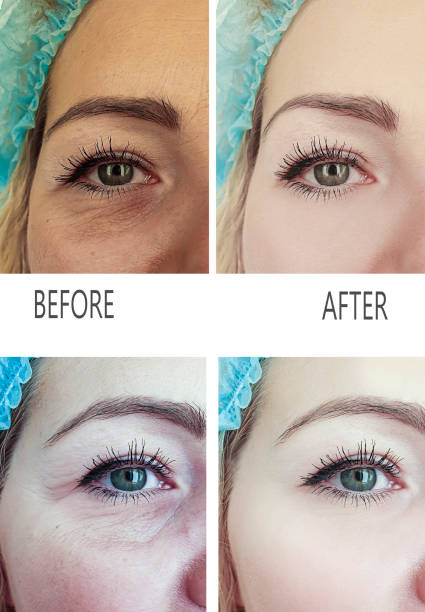
Collagen production changes as we get older, which is one reason mature skin can gradually develop more visible lines and changes in firmness.
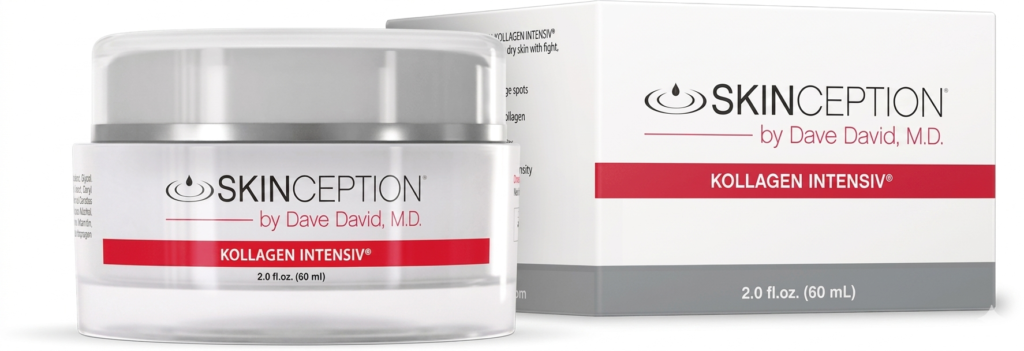
This is where a collagen-focused supplement such as Kollagen Intensiv may be worth exploring.
Kollagen Intensiv is designed for people interested in supporting their beauty routine from within. Rather than positioning it as a quick fix for eye bags, it can be considered as one component of a broader approach to supporting healthy-looking skin as you age.
The key is to keep expectations realistic. A supplement isn’t a replacement for good sleep, balanced nutrition, sun protection, or a sensible skincare routine. Think of it as another piece of the bigger picture.
A Better Approach to the Under-Eye Area
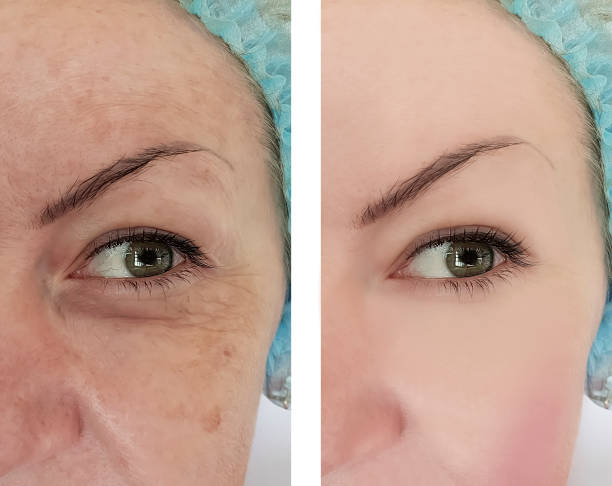
Instead of focusing only on hiding eye bags, consider what your skin may need overall.
A simple routine could include:
- Getting consistent, quality sleep
- Drinking enough fluids
- Eating a balanced diet
- Protecting your skin from excessive sun exposure
- Avoiding unnecessary rubbing around the eyes
- Keeping your skin moisturized
- Maintaining a consistent skincare routine
- Supporting your skin with healthy lifestyle habits
- Considering collagen as part of your broader beauty routine
These small habits can add up to a more thoughtful approach to maintaining healthy-looking skin.
Final Thoughts
Eye bags are incredibly common, and seeing them in the mirror doesn’t necessarily mean you’re doing something wrong. Aging, genetics, lifestyle, hydration, and changes in skin structure can all influence how noticeable the under-eye area becomes.
The good news is that understanding these factors gives you more control over the things you can influence.
If collagen support is something you’ve been considering, take a closer look at Kollagen Intensiv and see whether it fits naturally into your existing beauty and wellness routine.
Want to learn more about supporting youthful-looking skin from within? Explore Kollagen Intensiv and see whether it’s right for your routine.