The eyes can make you look more tired than you actually feel. Even after a full night of sleep, the area around your eyes may appear dull, puffy, creased, or darker than the rest of your face.
What makes this frustrating is that a tired-looking eye area isn’t always caused by lack of sleep. Several factors can affect the delicate skin around the eyes, from natural collagen loss and dehydration to allergies, sun exposure, and everyday habits.
Understanding what may be contributing to the problem is the first step toward improving the overall appearance of the eye area.
1. Natural Collagen Loss
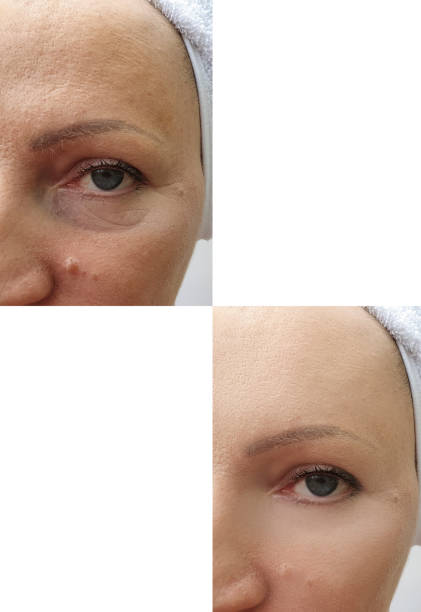
One of the biggest changes that occurs with age is a gradual decline in collagen production.
Collagen helps support the structure and firmness of the skin. As collagen levels decrease, skin can become thinner and less resilient. Fine lines around the eyes may become more noticeable, and the area can begin to look less smooth and youthful.
This is one reason the eyes can sometimes appear older or more tired even when you feel perfectly fine.
2. Dehydrated Skin
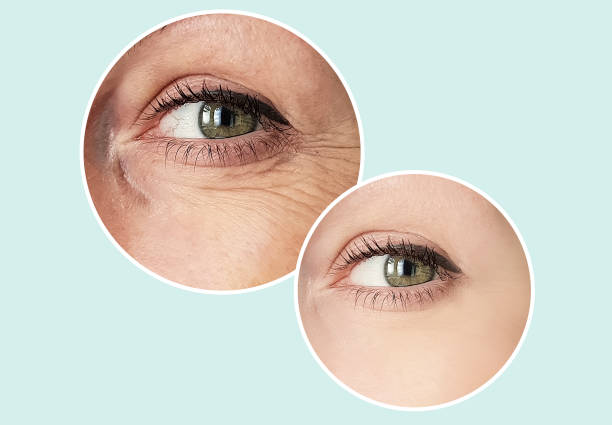
When skin lacks moisture, fine lines can appear more pronounced.
The skin around the eyes is particularly delicate, so dehydration can make small creases and texture changes easier to see. Environmental conditions, insufficient fluid intake, dry air, and harsh skincare products can all contribute to a dehydrated appearance.
Keeping your overall skincare routine gentle and supporting healthy hydration can help the eye area look smoother and fresher.
3. Too Much Screen Time
Hours spent looking at phones, computers, and televisions can contribute to eye fatigue.
People often blink less when concentrating on a screen. This can leave the eyes feeling dry or strained and may contribute to a tired appearance.
Taking regular screen breaks and consciously blinking more frequently can give your eyes a chance to rest.
4. Lack of Quality Sleep
Sleep isn’t the only cause of tired-looking eyes, but it can certainly contribute.
Poor sleep may make existing dark circles, puffiness, and dullness more noticeable. When you’re repeatedly getting insufficient or disrupted sleep, the eye area may lose some of its fresh, rested appearance.
A consistent sleep routine is therefore one of the simplest foundations for looking more refreshed.
5. Sun Exposure
Your eyes aren’t the only area affected by ultraviolet exposure. The surrounding skin is also exposed to the sun every day.
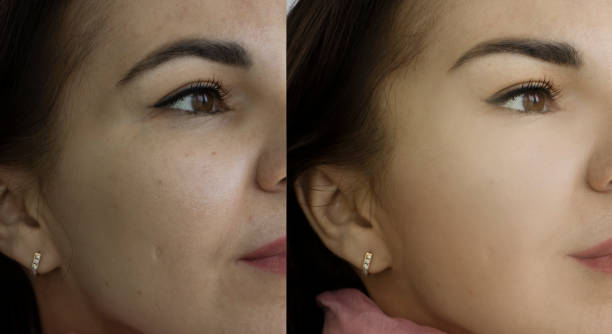
Repeated UV exposure can contribute to premature skin ageing, including the appearance of fine lines and uneven skin tone.
Protecting your face from excessive sun exposure and using appropriate broad-spectrum sunscreen can be an important part of an anti-ageing skincare routine.
6. Allergies and Irritation
Seasonal allergies and other sources of irritation can affect how the eye area looks.
Rubbing or touching your eyes frequently may further irritate the delicate skin. This can leave the area looking swollen or aggravated.
If allergies are responsible for persistent eye symptoms, addressing the underlying allergy is more useful than simply trying to cover the appearance with cosmetics.
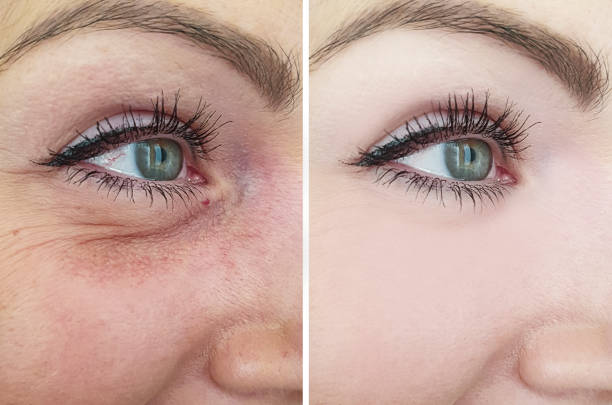
7. Genetics
Sometimes tired-looking eyes have very little to do with your lifestyle.
Genetics can influence factors such as natural pigmentation, facial structure, the tendency to develop under-eye circles, and how the area changes with age.
This is important because it means there isn’t always a single cream or skincare product capable of completely changing the appearance of everyone’s eye area.
The goal should be understanding your individual skin rather than comparing yourself with someone else’s results.
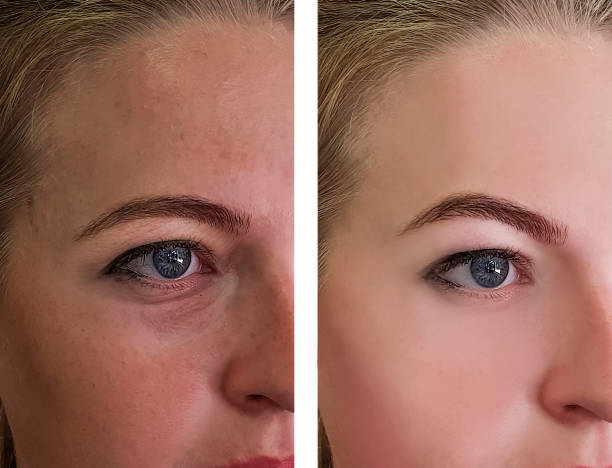
8. Lifestyle and Diet
Your overall lifestyle can show up on your skin.
A diet lacking variety and important nutrients, excessive alcohol consumption, smoking, chronic stress, and inconsistent sleep can all work against healthy-looking skin.
You don’t need to completely transform your life overnight. Small improvements in nutrition, hydration, sleep, movement, and stress management can provide a stronger foundation for your skincare routine.
9. Loss Of Skin Firmness
The appearance of the eye area isn’t determined by the skin surface alone.
As we age, changes in collagen, elastin, fat distribution, and facial structure can alter the way light and shadows appear around the eyes. This can make hollows, shadows, and wrinkles more noticeable.
That’s why simply applying more concealer doesn’t always solve the problem. Sometimes the issue is a combination of skin texture, firmness, pigmentation, and facial structure.
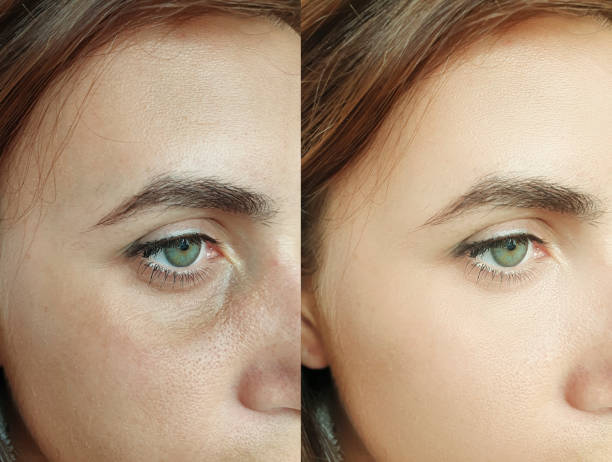
10. Your Skincare Routine May Not Be Addressing The Bigger Picture
Many people focus exclusively on visible wrinkles.
But a tired-looking eye area can involve several different concerns at once: dryness, fine lines, uneven tone, loss of firmness, puffiness, and reduced skin elasticity.
This is where looking at skin health more broadly can make sense.
Rather than searching for one miracle ingredient, consider a consistent routine that includes gentle cleansing, moisturising, sun protection, adequate hydration, and ingredients that support the appearance of healthier, more youthful-looking skin.
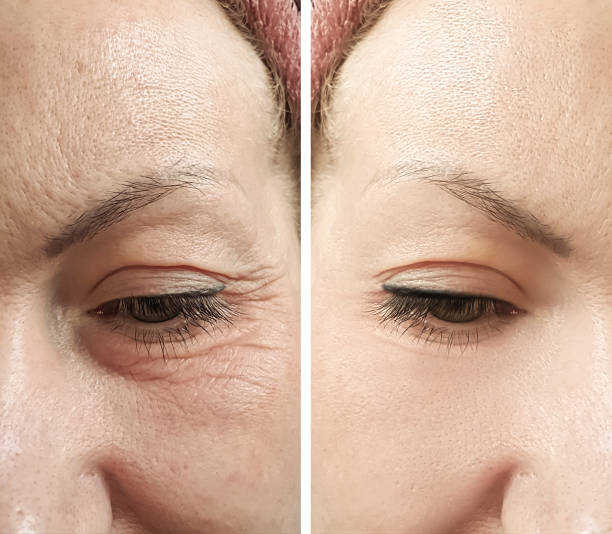
Where Does Collagen Fit In?
Collagen is an important structural protein found throughout the body, including the skin. Because natural collagen production declines with age, collagen has become increasingly popular in beauty and skincare routines.
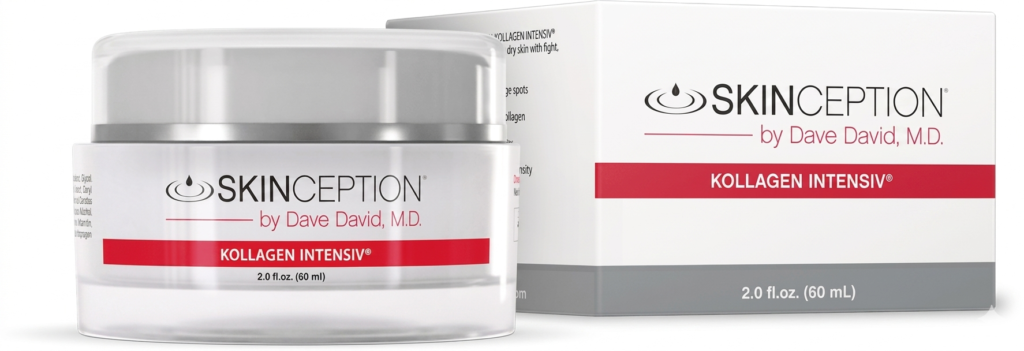
Kollagen Intensiv is designed around collagen-focused beauty support and can be considered as part of a broader approach to maintaining the appearance of youthful-looking skin.
However, it is important to keep expectations realistic. A supplement isn’t a replacement for sleep, sun protection, good nutrition, or a sensible skincare routine. Think of it as one potential piece of the overall picture rather than a quick fix.
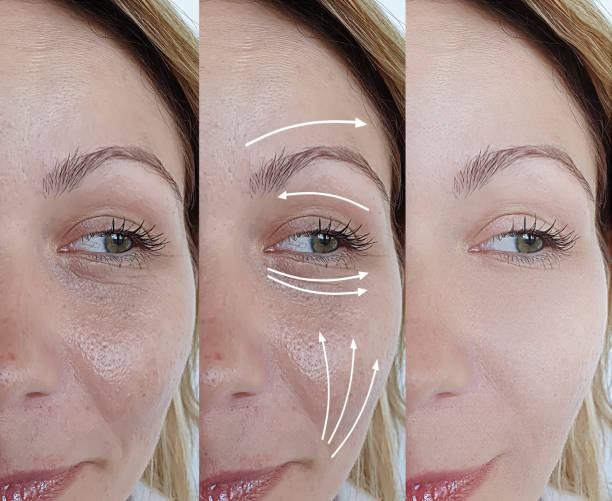
The Bottom Line
A tired-looking eye area can have many causes, and lack of sleep is only one of them.
Natural collagen loss, dehydration, sun exposure, screen time, allergies, genetics, lifestyle factors, and changes in skin firmness can all influence the way your eyes look.
The most effective approach is usually consistent rather than dramatic: protect your skin from the sun, stay hydrated, get quality sleep, avoid unnecessary irritation, maintain a balanced lifestyle, and support your skin as it changes with age.
And if your eyes suddenly become swollen, painful, severely irritated, or noticeably different, it’s worth speaking with a qualified healthcare professional rather than treating it as a cosmetic issue.
Your eyes may be telling a story about more than how much sleep you had last night. Understanding the real causes can help you make smarter choices about how you care for the skin around them.