Have you ever looked in the mirror and thought, “Why do my eyes look so tired? “— even after a good night’s sleep?
The eye area can sometimes make you appear exhausted, older, or less refreshed than you actually feel. Dark circles, puffiness, fine lines, dryness, and a dull-looking appearance can all contribute to that tired-eye effect.
And while lack of sleep can certainly play a role, it isn’t always the reason.
The skin around your eyes is delicate and can change as you age. Over time, factors such as collagen loss, reduced hydration, environmental exposure, and changes in skin structure may become more noticeable.
Here are 9 reasons your eye area may look tired even when you aren’t — plus what you can do to support healthier-looking, more youthful skin.
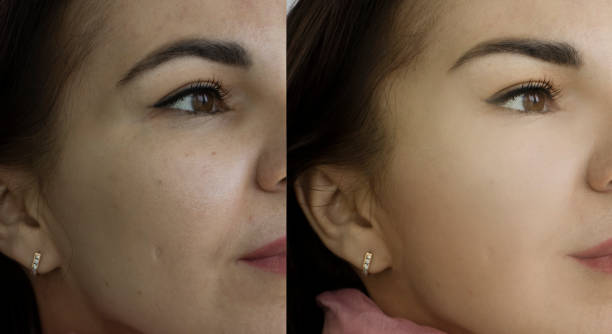
1. Your Skin May Be Losing Collagen
Collagen provides structure and firmness throughout the skin. As we age, natural collagen production gradually declines.
When the skin around the eyes becomes less firm and supported, fine lines may become more visible, and the entire eye area can appear less youthful.
This is one reason why simply getting more sleep doesn’t always completely change the appearance of tired-looking eyes.
Supporting your skin’s collagen needs can therefore be an important part of an overall skincare strategy.
2. Your Under-Eye Skin May Be Dehydrated
Dry or dehydrated skin can make fine lines look more noticeable.
The delicate eye area has less natural protection than many other parts of the face, which means it can be particularly sensitive to changes in hydration.
When the skin lacks moisture, it may appear dull, creased, or less smooth.
Drinking enough water and using appropriate moisturising skincare can help support a healthier-looking appearance, while ingredients designed to support skin hydration may also be worth considering.
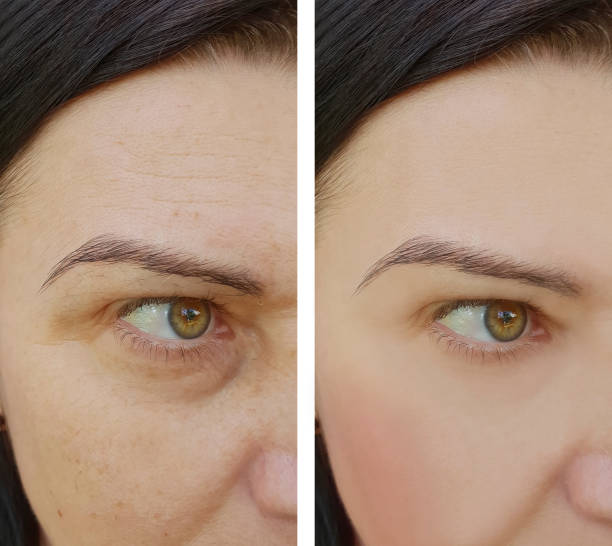
3. Dark Circles Can Create a Constantly Tired Look
Dark circles are one of the biggest reasons someone can look tired even when they feel perfectly fine.
Their appearance can be influenced by genetics, pigmentation, skin thickness, blood vessels, shadows created by facial structure, and the natural ageing process.
This means dark circles aren’t necessarily something you can fix simply by sleeping longer.
Understanding what contributes to your particular under-eye appearance is the first step toward choosing a more suitable skincare approach.
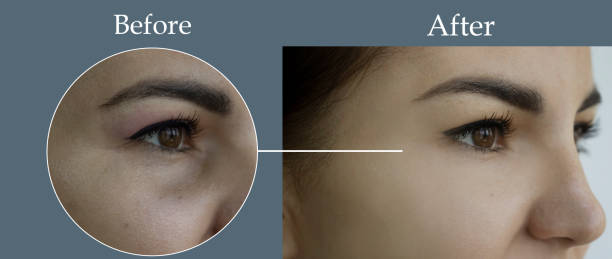
4. Puffiness Can Change the Appearance of Your Eyes
Puffy eyes can make the entire face appear more fatigued.
Temporary puffiness may be influenced by fluid retention, allergies, diet, irritation, or even the way you sleep.
Age-related changes can also affect how the tissues around the eyes look.
If your eye area frequently appears swollen or puffy, paying attention to your skincare routine, lifestyle habits, and potential triggers may help you understand what is contributing to the problem.
5. Fine Lines Become More Noticeable With Age
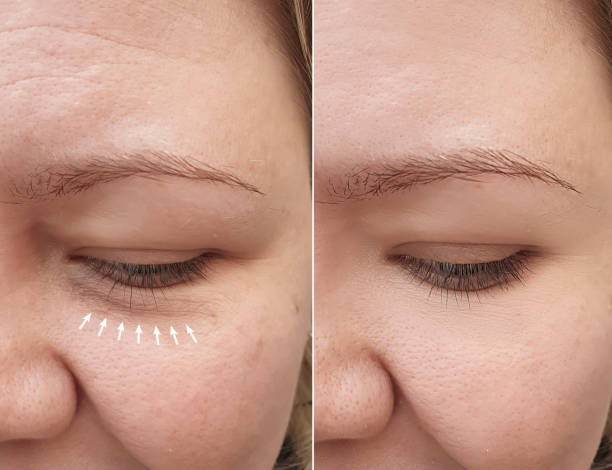
Fine lines around the eyes are completely normal, but they can contribute to a tired appearance.
Repeated facial movements, sun exposure, declining collagen levels, and reduced skin elasticity can all influence how visible these lines become.
Over time, the skin may not bounce back as easily as it once did.
That is why protecting your skin and supporting its underlying structure can become increasingly important as part of an age-conscious skincare routine.
6. Sun Exposure Can Affect the Eye Area
Your eyes may look tired partly because your skin has experienced years of environmental exposure.
UV exposure can contribute to visible signs of premature skin ageing, including fine lines, uneven pigmentation, and loss of skin firmness.
Because the eye area is so delicate, protecting it should be part of your everyday skincare habits.
Sunglasses, shade, and broad-spectrum sunscreen applied appropriately around the face can help reduce unnecessary UV exposure.
7. Your Skin’s Natural Elasticity May Be Changing
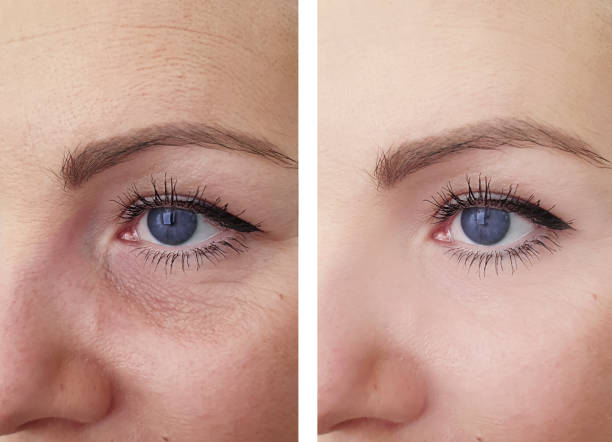
Youthful-looking skin tends to have a combination of firmness, elasticity, hydration, and smooth texture.
As we get older, those characteristics can gradually change.
The result may be a softer, less lifted-looking eye area that creates shadows and makes the face appear more tired.
This is another reason why looking after the overall condition of your skin can be more useful than focusing exclusively on one visible symptom.
8. Your Skincare Routine May Be Missing More Than You Think
Sometimes the problem isn’t that you’re doing too little — it’s that your routine isn’t addressing the factors that matter most.
A collection of creams may temporarily moisturise the surface without addressing broader concerns such as collagen support, hydration, environmental protection, and overall skin quality.
This is where a more comprehensive approach can make sense.
Instead of asking only, “What cream should I put under my eyes?”, consider what your skin needs from the inside and outside.
9. Collagen Support May Become More Important Over Time
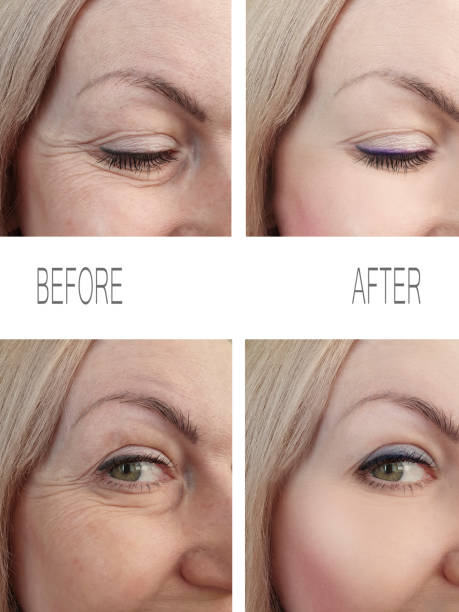
If your main concern is that your eye area looks thinner, less firm, or increasingly lined, collagen deserves attention.
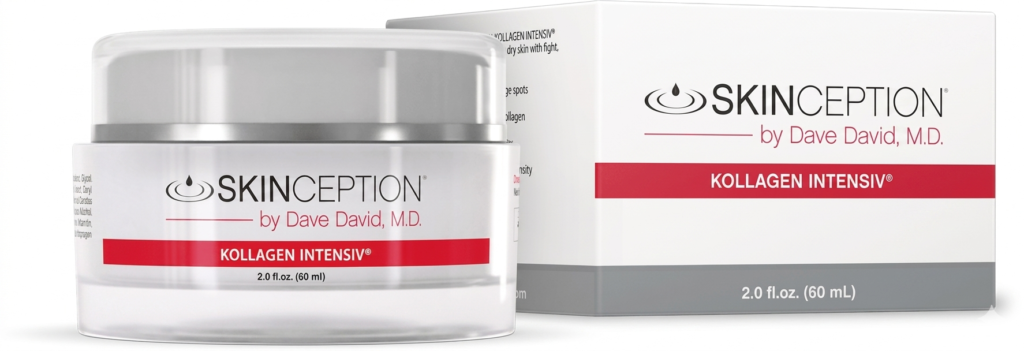
Kollagen Intensiv is designed around collagen support and is one option people may consider when they want to take a more comprehensive approach to the visible signs of ageing.
Rather than focusing exclusively on covering dark circles or temporarily smoothing the appearance of fine lines, collagen-focused support addresses an important part of the skin’s underlying structure.
Of course, individual results can vary, and no supplement can stop the natural ageing process. But supporting your skin as it changes can be a worthwhile addition to a consistent skincare and healthy-lifestyle routine.
The Bottom Line: Tired-Looking Eyes Aren’t Always About Sleep
If your eyes look tired despite getting enough rest, don’t automatically assume you’re doing something wrong.
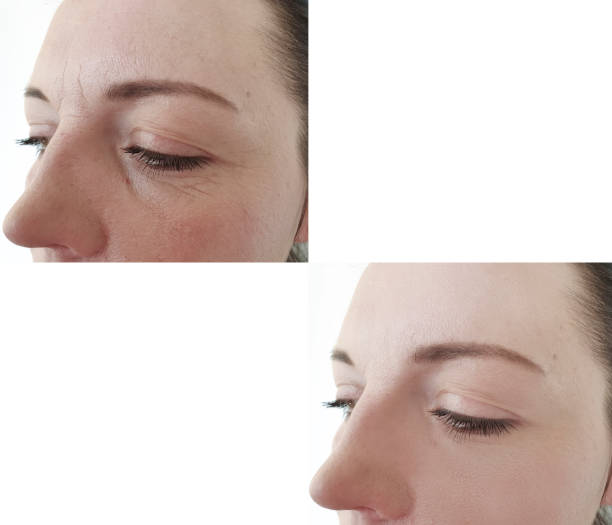
The appearance of the eye area can be influenced by collagen loss, dehydration, dark circles, puffiness, fine lines, sun exposure, changing elasticity, genetics, and the natural ageing process.
The good news is that understanding these factors gives you more options.
Focus on protecting your skin from the sun, maintaining hydration, following a consistent skincare routine, getting adequate rest, and considering ways to support collagen as you age.
Because sometimes your eyes aren’t telling the truth about how tired you actually are — they’re simply showing the effects of time and changing skin.