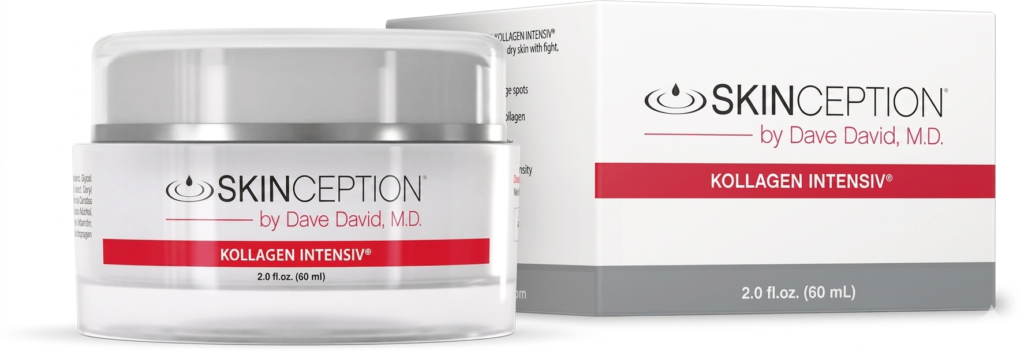
The eye area is often one of the first places where signs of ageing become noticeable. Even when the rest of your face looks fresh, dark circles, puffiness, fine lines, and a tired appearance can make you look older than you feel.
But an older-looking eye area is not always caused by age alone. Everyday habits, changes in skin structure, hydration, and the natural decline of collagen can all contribute.
Understanding what is actually affecting the skin around your eyes is an important first step toward improving its appearance.
1. Natural Collagen Loss
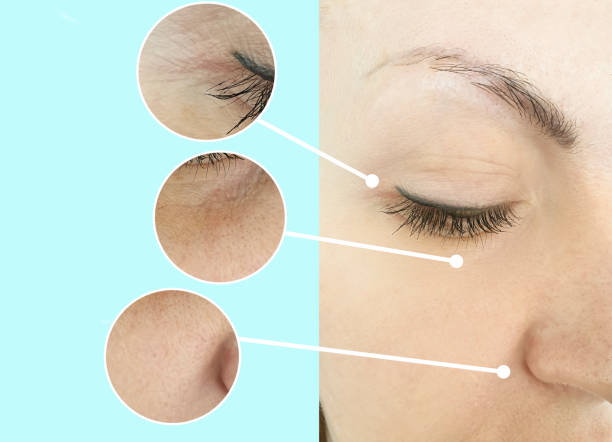
One of the biggest reasons the eye area can begin looking older is the gradual loss of collagen.
Collagen is an important structural protein that helps skin maintain firmness, strength, and elasticity. As we get older, the body’s natural collagen production declines. The delicate skin around the eyes may then appear thinner and less firm.
This can make fine lines more noticeable and contribute to a less youthful-looking appearance.
2. Thinner Skin Around The Eyes
The skin surrounding the eyes is naturally thinner than much of the skin on the rest of the face.
Because there is less tissue providing support, changes underneath the skin can become easier to see. Blood vessels, shadows, hollowness, and pigmentation may become more noticeable as the skin becomes thinner with age.
This is one reason the eye area can look tired even when you have had enough sleep.
3. Dehydrated Skin
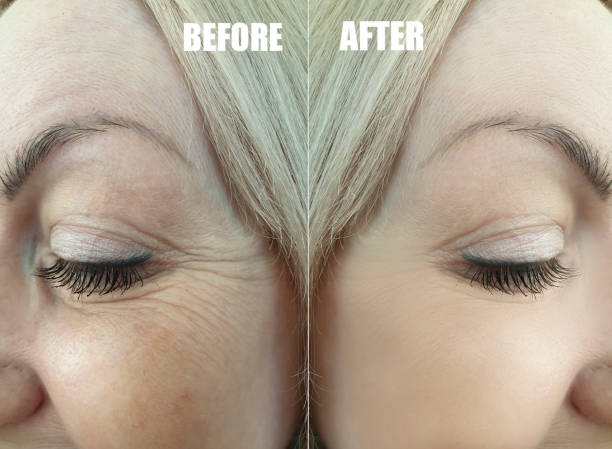
When the skin lacks moisture, fine lines can appear more pronounced.
Dehydration can make the surface of the skin look less smooth and supple, which may emphasise small creases around the eyes. Environmental conditions, cleansing habits, and insufficient moisture can all affect how hydrated the skin appears.
Keeping the skin properly moisturised can help it look smoother and more comfortable, although hydration alone cannot reverse the natural ageing process.
4. Repeated Facial Expressions
Smiling, squinting, laughing, and other facial expressions naturally cause the skin around the eyes to fold.
Over many years, repeated movement can contribute to expression lines becoming more visible, particularly as skin loses some of its elasticity.
These lines are completely normal, but reduced collagen and elasticity can make them linger even when the face is relaxed.
5. Sun Exposure
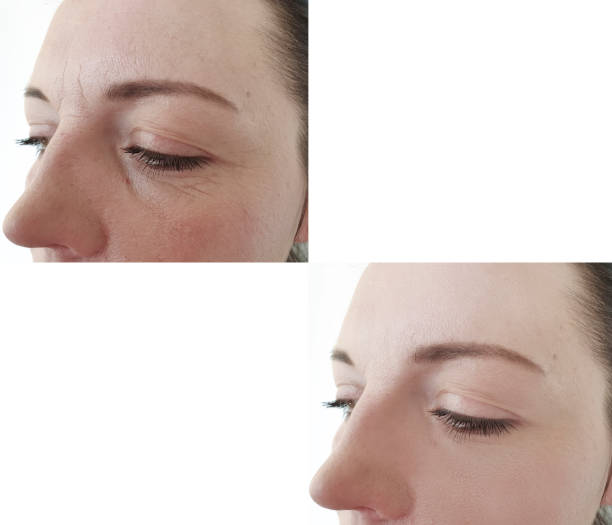
Years of exposure to ultraviolet radiation can contribute significantly to visible skin ageing.
The delicate eye area is especially important to protect because cumulative sun exposure can contribute to wrinkles, uneven pigmentation, and loss of skin elasticity.
Using broad-spectrum sunscreen as appropriate, wearing sunglasses, and seeking shade can all be valuable parts of a skin-ageing prevention routine.
6. Lack of Quality Sleep
Poor sleep can make the eye area look dramatically different from one day to the next.
When you are tired, dark circles, puffiness, and a generally fatigued appearance may become more noticeable. Sleep deprivation does not necessarily mean permanent ageing has occurred, but it can temporarily make existing concerns look much more obvious.
Consistent, quality sleep is therefore important not only for how you feel but also for maintaining a fresher-looking appearance.
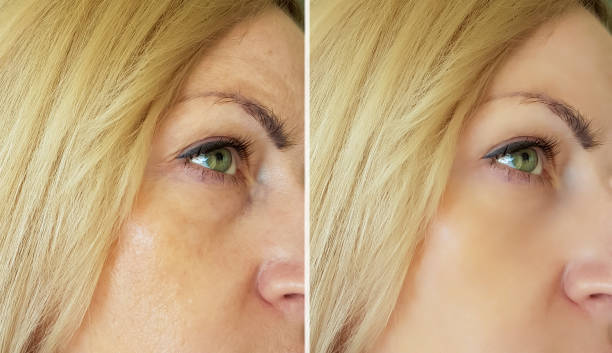
7. Eye Rubbing
Frequent rubbing or pulling at the delicate skin around the eyes can cause unnecessary mechanical stress.
People may rub their eyes because of tiredness, allergies, irritation, or simply out of habit. Repeated rubbing is particularly unhelpful when the skin is already delicate.
Being gentle when removing makeup or cleansing around the eyes can help reduce unnecessary irritation.
8. Lifestyle and Environmental Stress
Smoking, excessive sun exposure, poor nutrition, chronic stress, and other lifestyle factors can influence the way skin looks over time.
The skin is constantly exposed to its environment, and oxidative stress can contribute to visible signs of ageing.
You cannot control every factor that affects your skin, but protecting your skin from excessive environmental exposure and maintaining healthy daily habits can support its overall appearance.
9. Changes in Facial Volume
An older-looking eye area is not always simply a problem with the surface of the skin.
As we age, changes in facial fat and underlying tissue can alter the contours around the eyes. The result may be deeper-looking hollows, shadows, or a more tired appearance.
This is important because skincare products may improve the appearance and feel of the skin, but they cannot completely replace lost facial volume.
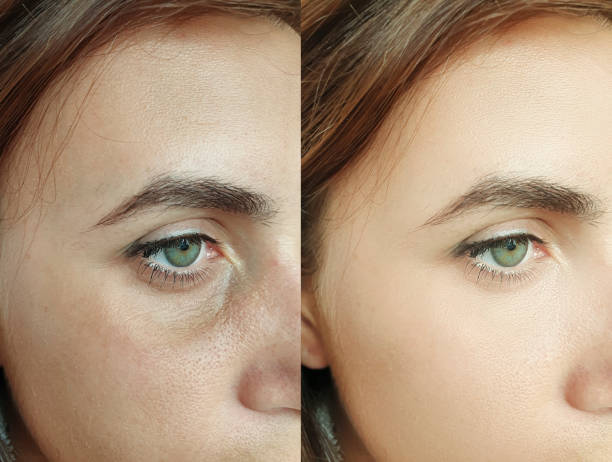
10. Declining Skin Elasticity
Collagen is not the only structural component involved in youthful-looking skin. Elastin also plays an important role in allowing skin to stretch and return toward its original shape.
As skin elasticity declines, the eye area may appear less tight and resilient. Fine lines and crepey-looking texture can consequently become easier to notice.
Supporting the skin with a consistent skincare routine and ingredients designed for mature skin can help improve its overall appearance.
What Can You Do About An Older-Looking Eye Area?
There is no single solution for every eye-area concern because several factors can occur at the same time.
A sensible approach is to focus on the basics: protect your skin from excessive sun exposure, keep the area moisturised, avoid unnecessary rubbing, prioritise adequate sleep, and maintain a consistent skincare routine.
It is also worth looking beyond the surface of the skin.
Collagen becomes particularly interesting as we age because the body’s natural production gradually declines. This is one reason collagen has become such a popular ingredient and supplement category among people interested in maintaining firmer, healthier-looking skin.
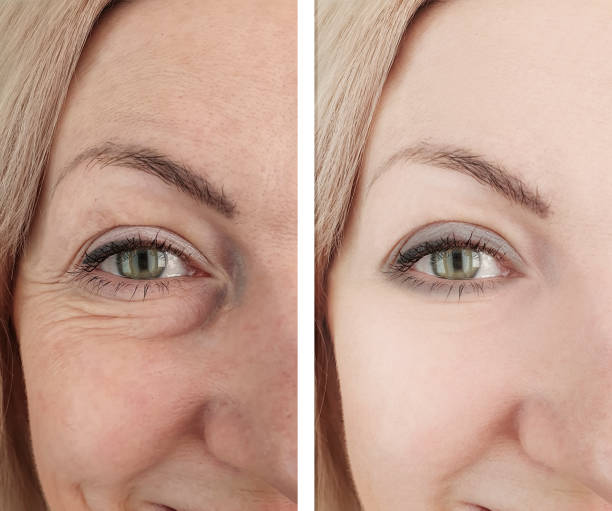
Where Kollagen Intensiv Fits In
If your goal is to support a more comprehensive approach to youthful-looking skin, Kollagen Intensiv is worth researching as part of your routine.
Rather than focusing exclusively on concealing wrinkles or dark circles, a collagen-focused approach looks at one of the underlying structural components associated with skin firmness and elasticity.
It is important to keep expectations realistic. No supplement can stop natural ageing, and individual results can vary. However, supporting your skin from within can complement the external steps you are already taking to care for your appearance.
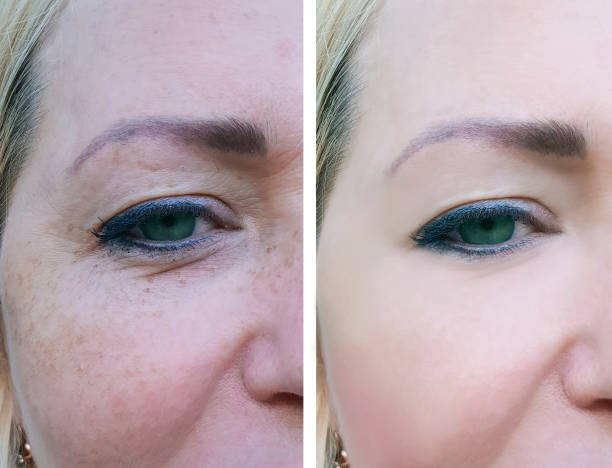
The Bottom Line
An older-looking eye area is rarely caused by one thing.
Natural collagen loss, thinner skin, dehydration, sun exposure, facial expressions, poor sleep, rubbing, lifestyle factors, changes in facial volume, and declining elasticity can all play a role.
The good news is that understanding these factors gives you a better starting point than simply covering the problem with makeup.
Protect your skin, keep your routine consistent, take care of your overall health, and consider approaches that support the skin’s underlying structure as well as its surface.
Sometimes the key to making the eye area look fresher is not simply finding another cream. It is understanding why the area is changing in the first place.