Why does your skin sometimes look tired even when you have had enough sleep? Discover 7 common causes of dull-looking skin and simple ways to help your complexion look fresher, smoother, and more radiant.
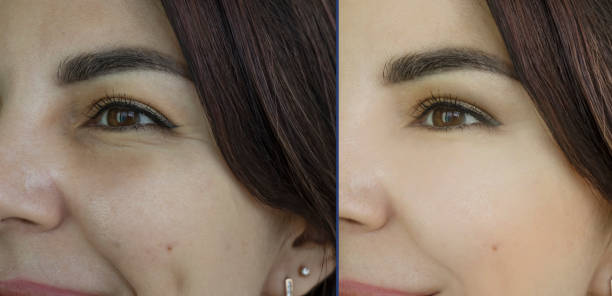
Dull skin is incredibly common, but it is not always caused by a lack of sleep. Your complexion can lose its healthy-looking glow for many different reasons, including dehydration, environmental exposure, an inconsistent skincare routine, and changes that naturally occur as you age.
The good news is that understanding what may be behind dull-looking skin can help you make smarter choices about your skincare and overall routine.
Here are 7 common causes of dull, tired-looking skin worth knowing.
1. Dehydrated Skin Can Look Flat and Tired
One of the most common reasons skin loses its fresh appearance is dehydration.
When the skin lacks moisture, it can appear rough, tight, flaky, or less radiant. Fine lines may also seem more noticeable because dehydrated skin does not have the same plump-looking appearance as well-hydrated skin.
Drinking enough fluids is important for overall health, while using a moisturiser suited to your skin type can help support the skin’s moisture barrier.
Look at your skincare routine as a whole rather than relying on one product to solve everything. Gentle cleansing and regular moisturising can make a noticeable difference in how comfortable and healthy-looking your skin appears.
2. Dead Skin Cells Can Build Up
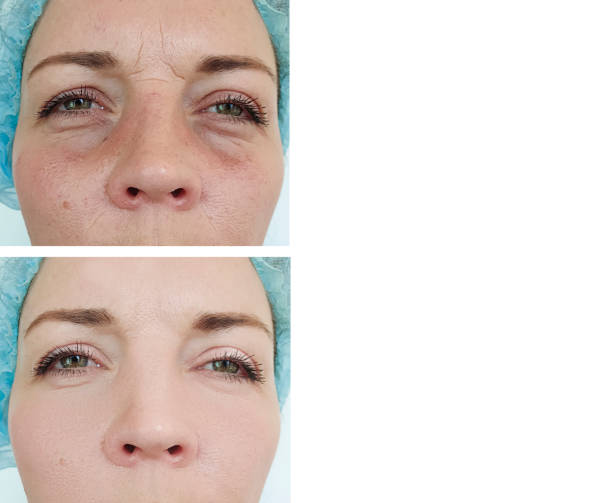
Your skin naturally sheds old cells. However, when dead cells accumulate on the surface, your complexion can appear rough, uneven, and lacking in brightness.
This is one reason exfoliation is often included in skincare routines.
The key is moderation. Aggressive scrubbing is not necessarily better and can leave skin feeling irritated. A gentle approach that suits your particular skin type is generally a better strategy.
If your skin is sensitive, introducing new exfoliating products slowly can help you determine how your skin responds.
3. Too Much Sun Exposure Can Affect Your Complexion
Sun exposure is another major factor to consider when thinking about skin appearance.
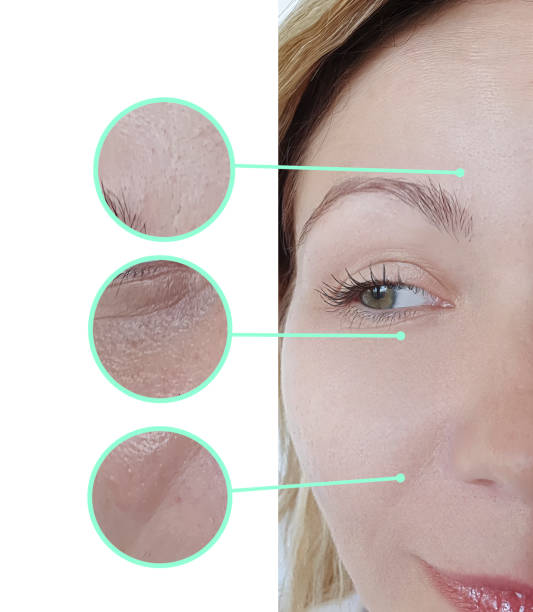
Over time, ultraviolet exposure can contribute to visible signs of skin ageing, including uneven pigmentation, fine lines, and changes in texture.
That is why daily sun protection is such an important part of a long-term skincare routine.
Using broad-spectrum sunscreen, seeking shade, wearing protective clothing, and avoiding unnecessary prolonged sun exposure can all help reduce your skin’s exposure to ultraviolet radiation.
A skincare routine focused on maintaining a youthful-looking complexion should not overlook sun protection.
4. Your Skin Changes Naturally With Age
One of the biggest changes that occurs over time is a gradual reduction in the skin’s youthful-looking structure.
Collagen is a structural protein found throughout the body and is important to the skin’s structure. As we age, the body’s production of collagen naturally declines.
This can contribute to visible changes such as reduced firmness, fine lines, and a less plump-looking complexion.
This is also why simply adding more surface-level skincare products may not address every concern associated with ageing skin.
Supporting your skin from multiple angles—including sun protection, hydration, nutrition, sleep, and a consistent skincare routine—can be a more sensible long-term approach.
5. Poor Sleep Can Show On Your Face
There is a reason your face can look different after several nights of poor sleep.
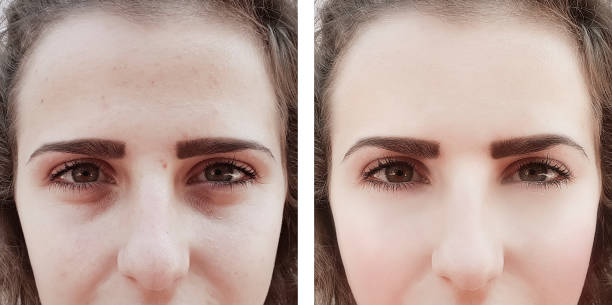
Sleep is important for overall health, and insufficient or disrupted sleep can leave you looking less refreshed. Dark circles, puffiness, and a generally tired appearance may become more noticeable.
While skincare can help address the appearance of some concerns, it cannot replace adequate rest.
Aim for a consistent sleep routine whenever possible. Combining good sleep habits with appropriate skincare can help your complexion look more refreshed.
6. Environmental Stress Can Take Its Toll
Your skin is exposed to the outside environment every day.
Sunlight, pollution, dry air, wind, and other environmental factors can all contribute to skin stress. If your skincare routine does not adequately support your skin’s natural barrier, your complexion may begin to look dry, rough, or tired.
This is another reason a simple, consistent routine can be more useful than constantly switching between products.
Gentle cleansing, moisturising, and daily sunscreen provide a strong foundation before adding targeted products.
7. Your Skincare Routine May Not Be Supporting Your Goals
Sometimes the problem is not what you are using but what you are missing.
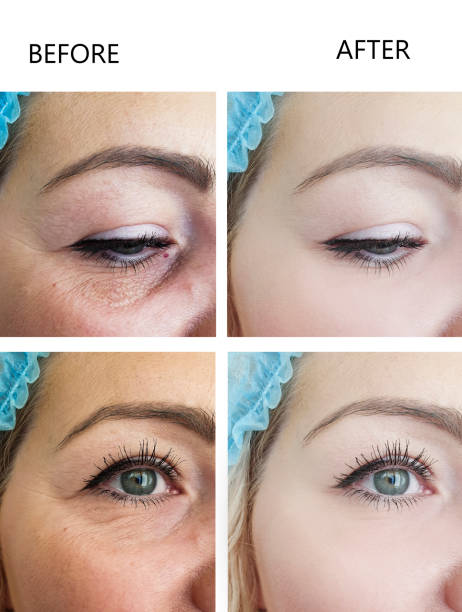
A routine filled with products can still fail to address hydration, visible signs of ageing, sun protection, or overall skin support.
This is where looking beyond individual creams and serums can be useful.
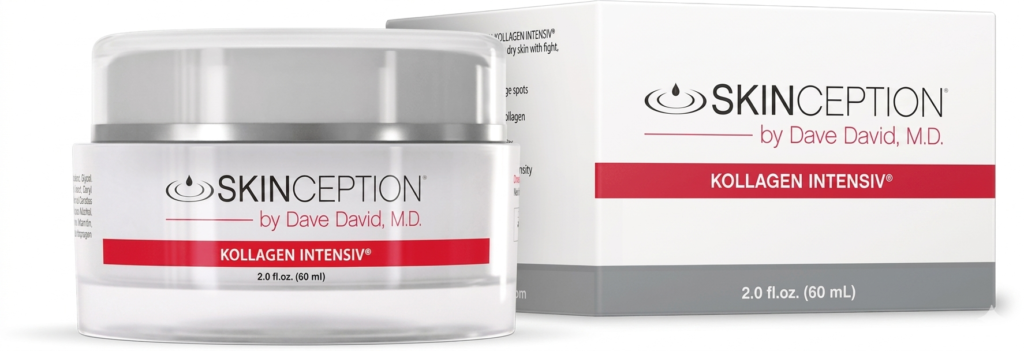
Kollagen Intensiv is designed around collagen-focused skin support and is often considered by people looking to complement their existing skincare routine. Rather than viewing collagen as a replacement for good skincare habits, it can be considered as one part of a broader approach to maintaining a youthful-looking complexion.
The goal should not be chasing an instant transformation. Consistency matters much more when it comes to long-term skincare.
How To Make Dull Skin Look More Refreshed
If your complexion has started looking tired, begin with the basics.
Stay adequately hydrated, prioritise quality sleep, protect your skin from the sun, moisturise regularly, avoid unnecessarily harsh skincare products, and maintain a consistent routine.
Then consider whether your current skincare approach is actually addressing the concerns you want to improve.
A product such as Kollagen Intensiv may be worth researching if your primary interest is supporting a collagen-focused approach to maintaining youthful-looking skin.
The most effective strategy is usually not about finding one magical product. It is about combining sensible daily habits with products that fit your individual goals.
The Bottom Line
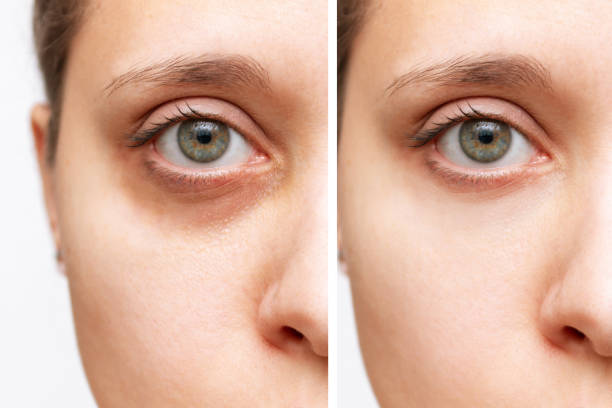
Dull, tired-looking skin can have many causes. Dehydration, dead skin cell buildup, sun exposure, natural ageing, poor sleep, environmental stress, and an unsuitable skincare routine can all play a role in how your complexion looks.
Instead of assuming that tired-looking skin simply means you need another face cream, take a broader look at your routine.
Protect your skin, keep it moisturised, get enough rest, treat it gently, and consider how collagen-focused skincare support fits into your overall approach.
Sometimes, the biggest improvement starts with understanding why your skin looks tired in the first place.