Your skin can change gradually without you noticing exactly when it happened. One day, your complexion looks familiar, and then you start seeing more dryness, fine lines, dullness, or tired-looking eyes in the mirror.
While natural ageing is unavoidable, some everyday changes can make the skin appear older more quickly. The good news is that many of these factors can be addressed by paying attention to what your skin needs as you get older.
Here are 10 changes that may contribute to an older-looking complexion—and what you can do about them.
1. Your Skin Becomes Less Hydrated
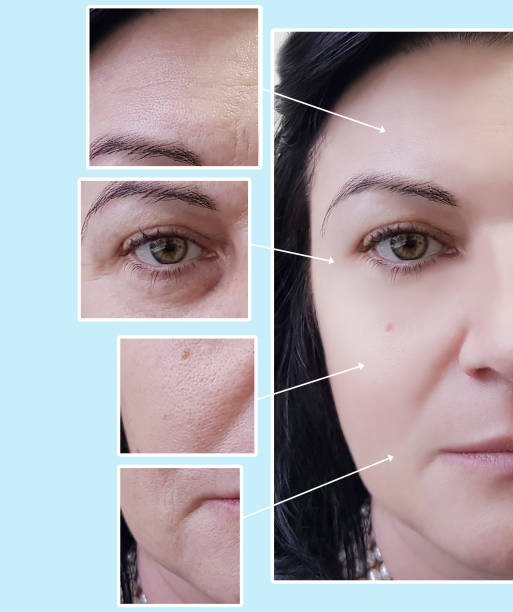
One of the first changes many people notice with age is increased dryness. Skin may not hold moisture as effectively as it once did, leaving the surface looking rough, tight, or less plump.
When skin is dehydrated, fine lines can also become more noticeable. Maintaining adequate hydration and using skincare designed to support the skin barrier can help your complexion look smoother and more refreshed.
2. Collagen Production Declines
Collagen is one of the structural proteins that helps give skin its firmness and support. As we age, the body’s natural collagen production decreases.
This gradual change can contribute to a loss of firmness and the appearance of fine lines and wrinkles.
That is one reason collagen has become such an important part of conversations about maintaining youthful-looking skin. Supporting the body’s collagen needs may be worth considering alongside a consistent skincare routine and healthy lifestyle.
3. Your Skin May Look Less Firm
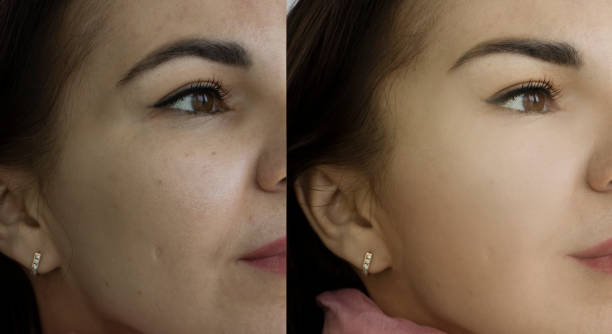
Have you noticed that your skin doesn’t seem quite as tight or resilient as it once did?
Changes in collagen and elastin, combined with natural ageing, can gradually affect the skin’s structure. The result may be softer-looking contours and a complexion that appears less lifted.
Rather than focusing only on individual wrinkles, it can be useful to think about the overall condition and support of your skin.
4. Sun Exposure Starts Showing Up
Years of sun exposure can have a significant effect on the appearance of ageing skin.
UV exposure can contribute to uneven pigmentation, rough texture, fine lines, and loss of elasticity. The effects often accumulate slowly, which is why consistent sun protection matters even when your skin looks healthy today.
Daily sunscreen, protective clothing, and sensible sun habits can help protect your skin from unnecessary environmental damage.
5. Your Skin May Lose Some of Its Natural Glow
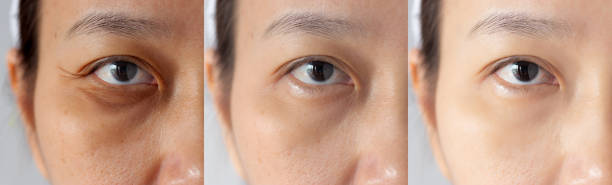
Younger-looking skin is often associated with a healthy-looking glow. Over time, however, cell turnover can slow, and the complexion may begin to look duller.
Dryness, environmental exposure, poor sleep, and inconsistent skincare can make this effect more noticeable.
Gentle cleansing, regular moisturisation, adequate hydration, and a nutrient-rich diet can all contribute to a healthier-looking complexion.
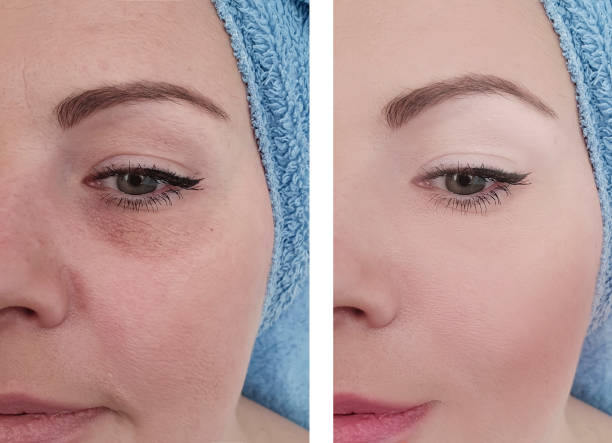
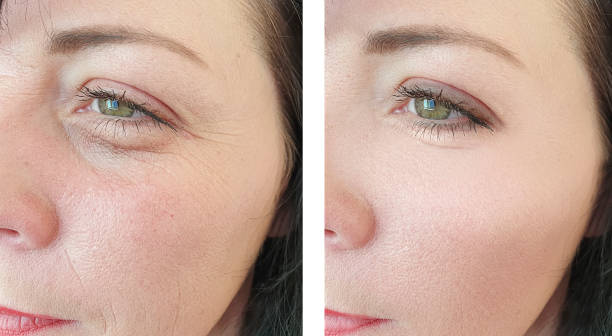
6. Fine Lines Around the Eyes Become More Noticeable
The skin around your eyes is delicate, making changes in this area particularly noticeable.
Fine lines, dryness, puffiness, and a tired appearance can make the entire face look older—even when the rest of your complexion looks relatively smooth.
Instead of treating the eyes as an isolated problem, consider them part of your overall skin-health routine. Gentle skincare, adequate sleep, hydration, sun protection, and nutritional support can all play a role in maintaining a fresher appearance.
7. Your Lifestyle Changes
Ageing skin isn’t influenced only by skincare products.
Sleep, stress, diet, exercise, smoking, alcohol consumption, and daily habits can all affect how your skin looks.
When life becomes busier, healthy routines are often the first things to disappear. Poor sleep and ongoing stress, for example, can leave you looking tired even before significant changes in the skin itself become visible.
Small, consistent improvements can be more useful than constantly searching for a quick fix.
8. Your Skin Needs Change
A skincare routine that worked perfectly in your twenties may not provide everything your skin needs later in life.
As skin becomes drier or more sensitive, using harsh cleansers or too many active ingredients can potentially make the complexion feel irritated and uncomfortable.
Your routine may need to evolve with your skin. Gentle cleansing, moisture support, sun protection, and carefully selected ingredients can become increasingly important.
9. Nutrition Becomes More Important
Your skin is part of your body, so what you consistently provide your body matters.
A balanced diet containing adequate protein, fruits, vegetables, healthy fats, vitamins, and minerals provides nutritional building blocks that support normal skin function.
Collagen-rich foods and collagen supplements are also increasingly popular among people looking to support their skin from within. If you are considering a supplement, look for a product that fits your individual needs and use it consistently rather than expecting overnight changes.
10. You Start Looking for Solutions Only After Changes Appear
Perhaps the biggest mistake is waiting until visible signs of ageing become obvious before taking your skin seriously.
Skin changes are gradual. A proactive approach can make more sense than reacting to every new wrinkle or dry patch.
This means protecting your skin from excessive sun exposure, maintaining hydration, eating well, getting enough rest, and choosing skincare and nutritional support that fit your needs.
Where Does Collagen Fit In?
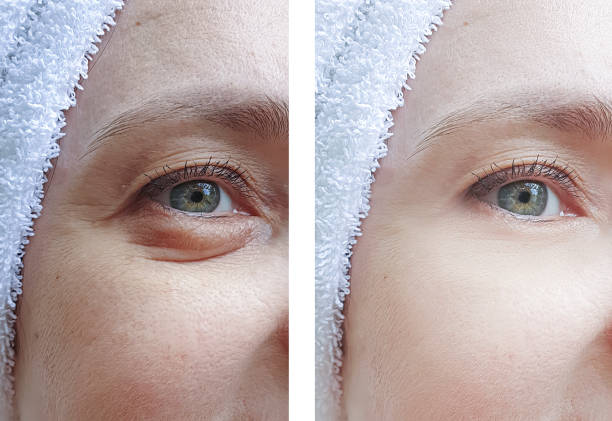
If your main concern is firmness, fine lines, or an increasingly tired-looking complexion, collagen is worth understanding.
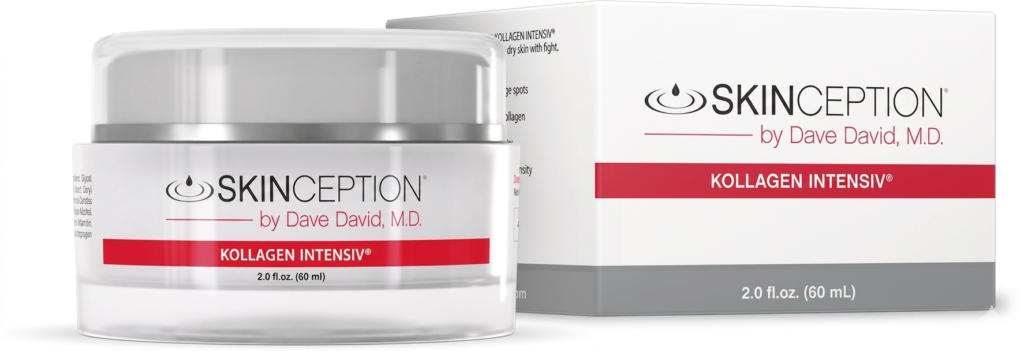
Kollagen Intensiv is one option people consider when looking for collagen-focused nutritional support. Rather than viewing collagen as a magic solution, think of it as one potential part of a broader approach to maintaining healthy-looking skin.
The most important factor is consistency. A supplement cannot replace sunscreen, good nutrition, sleep, hydration, or sensible skincare—but it can complement those habits.
The Bottom Line
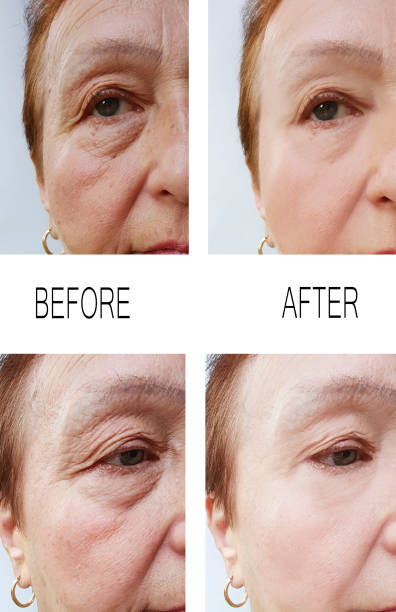
Looking older isn’t caused by one single change. It is usually the result of many gradual changes happening together: reduced collagen production, less moisture, sun exposure, lifestyle factors, changes in skin structure, and shifting nutritional needs.
The encouraging part is that your daily habits still matter.
Protect your skin. Keep it hydrated. Pay attention to nutrition. Get enough rest. Adapt your skincare routine as your skin changes. And if you are interested in collagen supplementation, research your options and choose an approach you can realistically maintain.
You don’t need to chase every new anti-ageing trend.
Sometimes, looking after your skin consistently is the most powerful change of all.