It may not be your sleep — subtle changes in your skin, eyes, and facial features can make you look more tired than you actually feel.
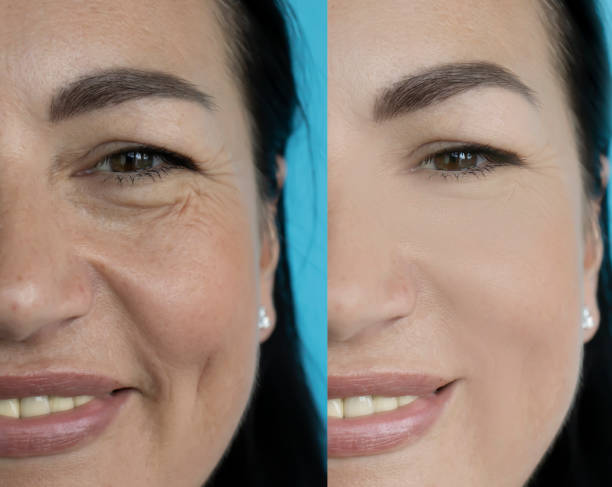
Have you ever looked in the mirror and thought, Why do I look so tired lately? — even after getting a reasonable night’s sleep?
As we age, the face can gradually develop changes that create a more tired-looking appearance. Sometimes the difference is obvious, such as deeper lines or more noticeable under-eye circles. Other times, it is much subtler: skin may lose some of its bounce, the eye area can appear less refreshed, or the complexion may look duller than it once did.
The surprising part is that looking tired isn’t always about being tired.
Several changes happen naturally with age, and together they can alter the way light reflects from the face and how refreshed your features appear. Here are 10 less obvious reasons your face may be starting to look more tired — and what you can do about them.
1. Your Skin May Be Losing Its Natural Bounce
Younger-looking skin tends to have a certain degree of firmness and elasticity.
As we age, structural changes in the skin can gradually affect that appearance. Skin may become less resilient and may not look quite as plump or smooth as it once did.
This can make fine lines more noticeable and create shadows across areas of the face, particularly around the eyes and cheeks.
2. Your Under-Eye Area Can Become More Noticeable
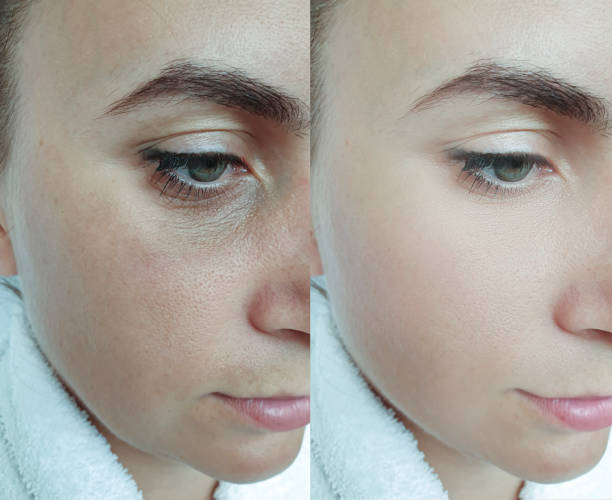
The skin around the eyes is naturally delicate, which means changes in this area can have a significant effect on your overall appearance.
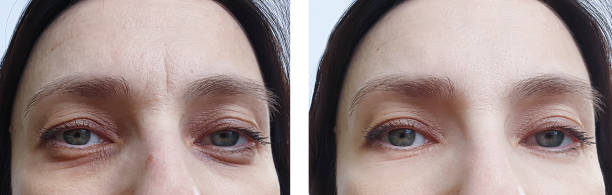
Dark circles, fine lines, puffiness, and changes in the contour beneath the eyes can all contribute to a tired-looking face.
Even when the rest of your skin looks healthy, changes around the eyes can make you appear less refreshed.
3. Your Complexion May Look Duller
Another easily overlooked factor is skin brightness.
With age, the skin’s surface can change, and accumulated environmental exposure can contribute to an uneven or dull-looking complexion. When the skin reflects less light evenly, the face can appear less vibrant.
This is one reason someone can feel perfectly energetic while still thinking their reflection looks tired.
4. Fine Lines Can Create More Shadows
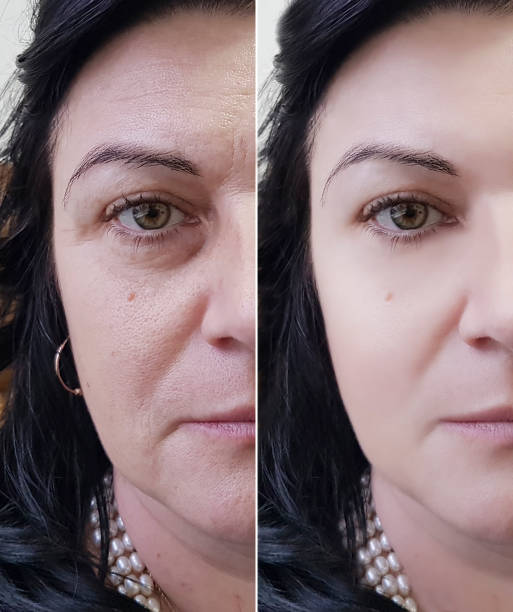
Fine lines don’t simply change the texture of the skin.
They can also create tiny areas of shadow, particularly when light comes from above or from the side. Around the eyes and forehead, these shadows can make facial features appear more pronounced.
The result can be a face that looks more fatigued even when the underlying issue is simply normal skin ageing.
5. Your Skin May Not Hold Moisture the Same Way
Hydration can have a noticeable effect on the appearance of skin.
When skin becomes dry, fine lines can appear more prominent, and the surface may look rougher or less supple. Ageing skin can also experience changes in its ability to maintain moisture.
That doesn’t mean drinking more water alone will reverse visible ageing, but maintaining a sensible skincare routine that supports the skin barrier can help the skin look smoother and more comfortable.
6. Your Facial Features Can Gradually Change
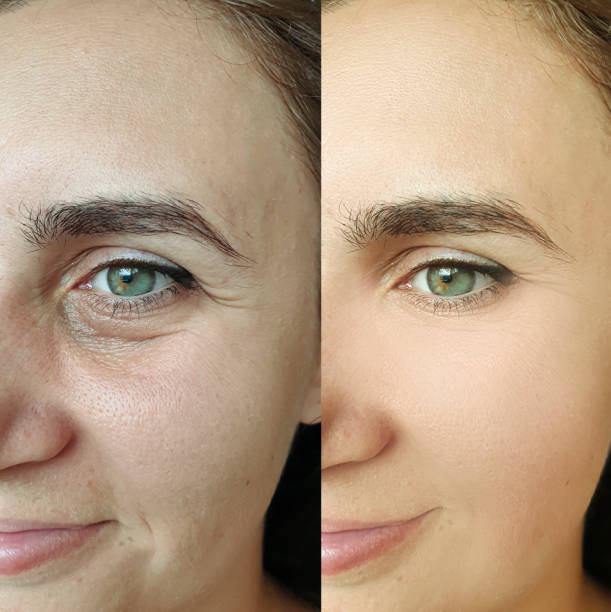
One reason ageing can be difficult to pinpoint is that it isn’t always caused by a single wrinkle.
Over time, changes in facial fat distribution, skin structure, and underlying tissues can subtly alter facial contours.
These changes may affect how the cheeks, eyes, and lower face interact visually. Even small differences can change the overall impression of the face.
7. Sun Exposure May Be Catching Up With You
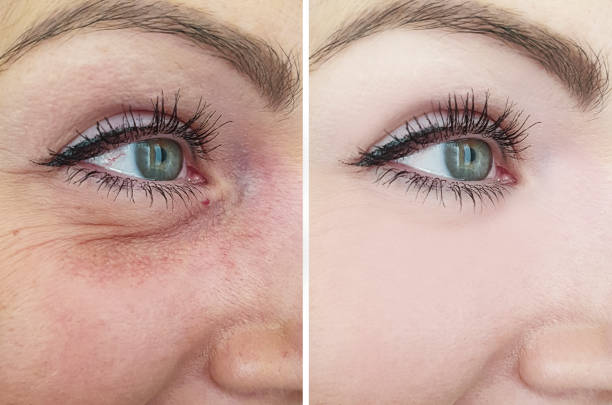
Years of cumulative sun exposure can influence the visible appearance of ageing skin.
UV exposure is associated with changes such as uneven pigmentation, loss of elasticity, and the development of fine lines. These changes can make the complexion look less even and less youthful.
This is one reason daily sun protection remains one of the most important long-term habits for maintaining healthier-looking skin.
8. Your Skin May Be Less Even in Texture
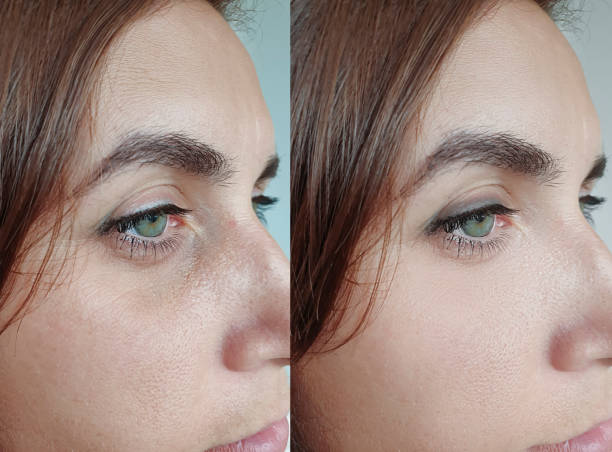
Smooth skin reflects light differently from rough or uneven skin.
As skin changes with age, texture can become more noticeable. Areas that once looked relatively smooth may begin to show fine lines, dryness, or unevenness.
When several small texture changes occur at the same time, they can collectively make the complexion appear older or more tired.
9. Your Skincare Routine May No Longer Suit Your Skin
The products that worked beautifully in your 20s may not necessarily be the best choices for your skin later in life.
Changes in dryness, sensitivity, texture, and visible signs of ageing can mean your routine needs to evolve.
Sometimes the answer isn’t adding ten new products. It may simply mean reassessing what your skin actually needs now and focusing on consistent basics such as gentle cleansing, moisturisation, and daily sun protection.
10. You’re Focusing on the Wrong Problem
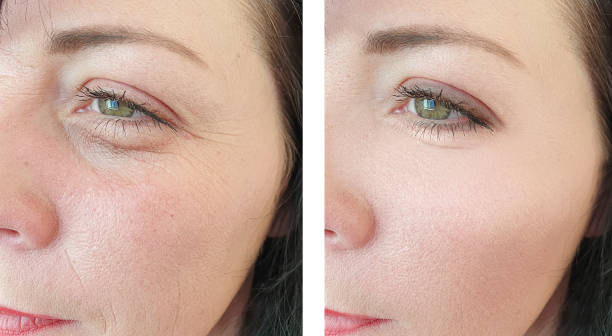
Perhaps the most unexpected reason you look tired is that you may be concentrating on one feature instead of the overall picture.
You might blame your dark circles, for example, when the bigger issue is a combination of fine lines, dryness, uneven tone, and changes in facial contours.
A tired-looking appearance is often the result of several subtle factors working together rather than one isolated problem.
What Can You Actually Do About a Tired-Looking Appearance?
The good news is that you don’t need to approach skin ageing as an all-or-nothing problem.
Start with the fundamentals: protect your skin from excessive sun exposure, keep it moisturised, avoid overly harsh products, and maintain a consistent routine rather than constantly switching between products.
It can also be worth looking beyond surface-level skincare.
Collagen is a structural protein naturally found in the body, and collagen production changes as we age. This is one reason collagen-focused beauty products and supplements have become an area of interest for people concerned about visible signs of ageing.
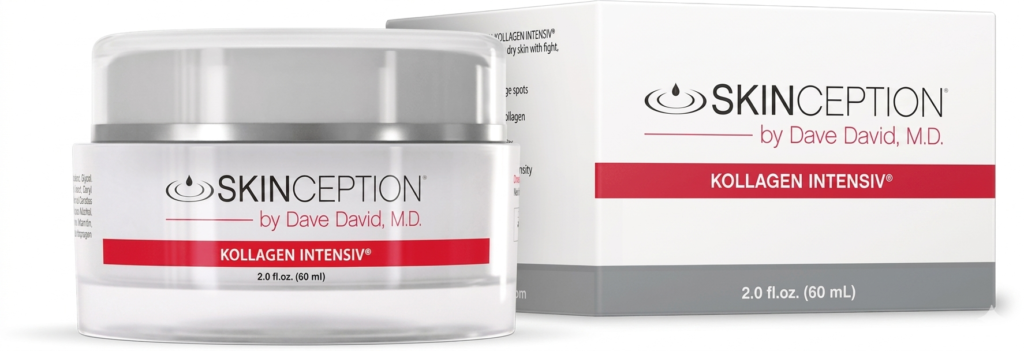
If you’re specifically looking for a collagen-focused approach, Kollagen Intensiv may be worth researching as one option. Rather than viewing it as a quick fix, consider whether it fits with your broader approach to maintaining healthy-looking, well-cared-for skin.
The important point is to have realistic expectations. No single product can stop the natural ageing process, and individual experiences can vary.
The Bottom Line
Looking more tired as you age doesn’t necessarily mean you’re doing something wrong.
Changes in skin firmness, moisture, texture, pigmentation, fine lines, and the delicate eye area can gradually affect the way your face looks. Because these changes often happen slowly, you may not notice them until one day your reflection suddenly seems different.
Instead of chasing every new anti-ageing trend, focus on the factors that genuinely matter: consistent skincare, sun protection, healthy habits, and an approach that supports the appearance of your skin over time.
If collagen-focused skincare or supplementation interests you, learning more about Kollagen Intensiv can be a logical next step before deciding whether it’s right for your personal beauty routine.
⭐⭐⭐⭐⭐ Kollagen Intensiv™ 74 reviews