The changes you notice in the mirror may have more to do with everyday skin changes than you realise.
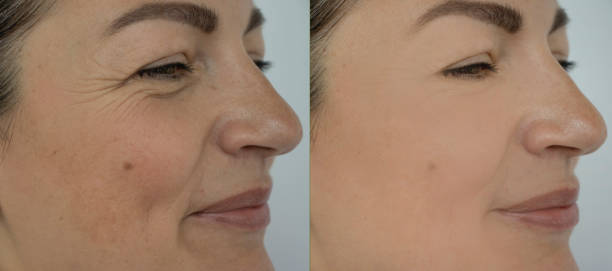
Have you ever looked in the mirror and felt that your skin simply doesn’t look as fresh, smooth, or youthful as it once did?
Maybe fine lines seem more noticeable. Your complexion looks tired even after a good night’s sleep. Or the delicate skin around your eyes appears thinner, drier, or less refreshed.
These changes are a normal part of getting older, but ageing isn’t the only factor involved. Your skin is constantly responding to hydration levels, sun exposure, sleep, stress, nutrition, and the gradual changes happening beneath its surface.
Understanding what may be contributing to a less youthful appearance can help you make more informed choices about your skincare routine.
Here are eight common reasons your skin may be changing—and what you can consider doing about them.
1. Natural collagen production changes with age.
Collagen is an important structural protein found throughout the body, including the skin. It helps provide the framework associated with skin firmness and structure.
As we age, the body’s natural production of collagen gradually changes. Over time, this can contribute to visible changes such as fine lines, reduced firmness, and a less plump-looking complexion.
The skin around the eyes can make these changes especially noticeable because it is delicate and expressive.
2. Your skin may not be retaining moisture as well.
Hydration plays a major role in how skin looks.
Well-hydrated skin often appears smoother and more supple, while dry skin can make fine lines and uneven texture appear more prominent.
Age-related changes can affect the skin’s ability to maintain moisture. Environmental factors such as dry air, heating, air conditioning, and frequent exposure to harsh weather can add to the problem.
A consistent moisturiser and gentle skincare routine can help support the skin’s moisture barrier.
3. Years of sun exposure can show up later.
Sun exposure is one of the biggest environmental influences on visible skin ageing.
Ultraviolet radiation can contribute to changes in skin texture, pigmentation, and the appearance of fine lines over time. Importantly, these effects can accumulate gradually, meaning the skin may show the consequences of years of exposure rather than just yesterday’s time outdoors.
Daily broad-spectrum sunscreen and sensible sun protection are therefore important parts of a long-term skincare strategy.
4. Poor sleep can make skin look tired.
Sometimes the issue isn’t that your skin has suddenly aged—it’s that it looks exhausted.
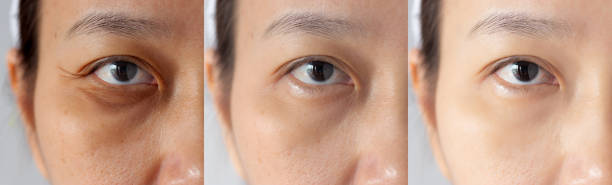
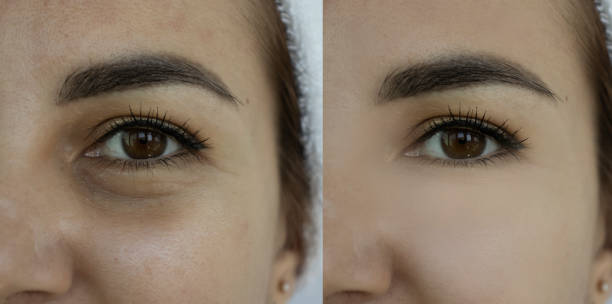
Insufficient or poor-quality sleep can leave the complexion appearing dull and tired. The eye area can be particularly revealing, with puffiness, shadows, and a generally fatigued appearance becoming more noticeable.
While skincare can’t replace restorative sleep, maintaining a consistent sleep routine can be an important part of supporting your overall appearance.
5. Stress can affect the way your skin looks.
Long periods of stress can influence the body in numerous ways, and your skin can sometimes reflect those changes.
Stress may be accompanied by disrupted sleep, changes in eating habits, less attention to skincare, or other lifestyle changes that affect the appearance of the complexion.
If your face has started looking more tired or lacklustre, it may be worth looking beyond your skincare cabinet and considering the bigger picture of your daily routine.
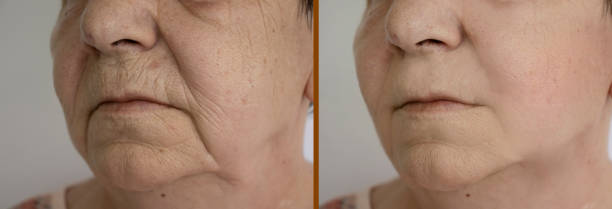
6. Your diet may not provide everything your skin needs.
Skin health is connected to overall nutrition.
A balanced diet provides the body with nutrients needed for normal tissue maintenance and repair. On the other hand, consistently relying on highly processed foods while overlooking nutrient-dense choices may make it harder to maintain healthy lifestyle habits overall.
Protein, fruits, vegetables, healthy fats, and adequate hydration can all have a place in a balanced approach to caring for your skin.
The goal isn’t a restrictive “perfect skin” diet. It’s consistency.
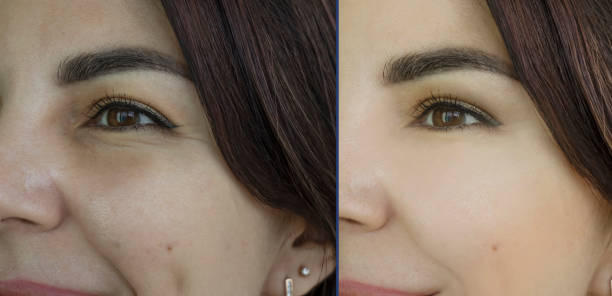
7. Your skincare routine may be too harsh.
More skincare products don’t necessarily mean better-looking skin.
Using too many active ingredients, over-exfoliating, or choosing products that are irritating for your individual skin can leave the complexion feeling dry, sensitive, or uncomfortable.
When skin becomes irritated or its moisture barrier is disrupted, texture and fine lines may appear more noticeable.
Sometimes a simpler routine is the better approach: gentle cleansing, appropriate moisturising, and reliable sun protection can provide a strong foundation.
8. You’re focusing only on the surface.
Creams and serums can certainly play an important role in a skincare routine, but visible skin ageing isn’t purely a surface-level issue.
The appearance of skin is influenced by structural changes, hydration, lifestyle, environmental exposure, and the body’s natural ageing process.
That’s why some people eventually look beyond topical skincare and explore nutritional approaches as part of their broader beauty routine.
The key is to view these approaches as complementary rather than expecting one product to solve every concern.
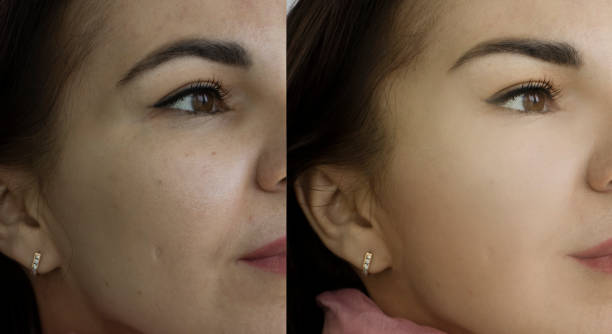
What Can You Do If Your Skin Looks Less Youthful?
There isn’t one magic solution to every visible sign of ageing.
A more realistic approach is to build several supportive habits: protect your skin from excessive sun exposure, maintain hydration, eat a balanced diet, prioritise sleep, manage stress where possible, and use skincare products that suit your skin.
For people who are particularly interested in the role collagen plays in the appearance of ageing skin, collagen-focused supplements may also be worth researching.
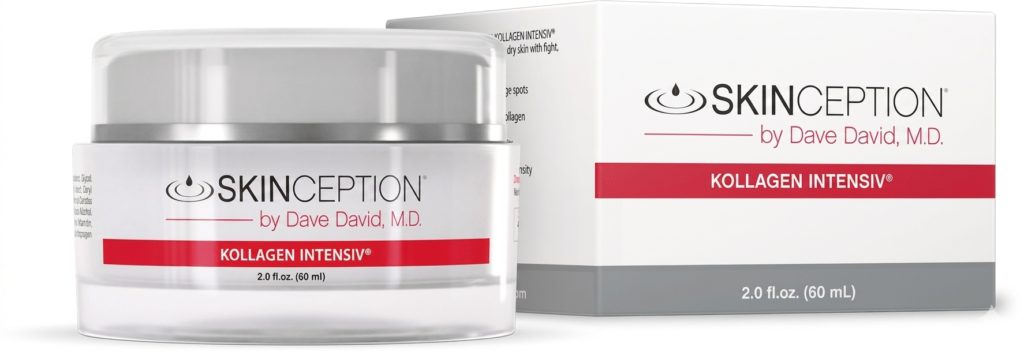
This is where products such as Kollagen Intensiv may be relevant for someone looking to explore a collagen-focused addition to their beauty routine. Rather than viewing it as a replacement for good skincare and healthy habits, it can be approached as one option to investigate alongside them.
If you’re considering a supplement, take the time to look at the product information, ingredients, directions, and whether it fits your individual needs before deciding.
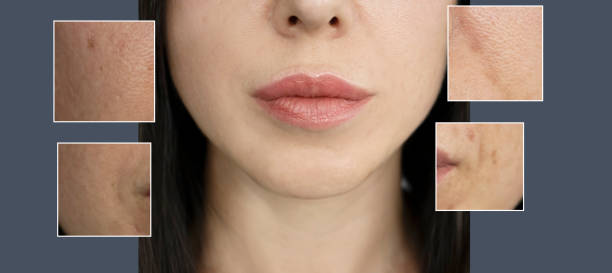
Your Skin’s Story Is About More Than One Product
Seeing more fine lines, dryness, or a tired-looking complexion doesn’t necessarily mean you’ve done something wrong.
Skin naturally changes over time. What matters is understanding the different factors that can influence how those changes appear and taking practical steps that support your skin over the long term.
Sun protection, hydration, sleep, nutrition, stress management, and a sensible skincare routine can all contribute to a more thoughtful approach to maintaining your skin’s appearance.
And if you’re curious about whether a collagen-focused supplement could have a place in that routine, Kollagen Intensiv is worth learning more about before making your decision.
Sometimes the best first step isn’t searching for a miracle—it’s understanding what may actually be happening to your skin.
⭐⭐⭐⭐⭐ Kollagen Intensiv™ 74 reviews