Your skin can sometimes tell a different story than the way you feel—and understanding what is behind those changes may help you make smarter skincare choices.
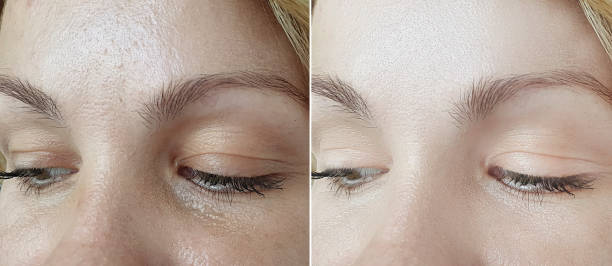
Have you ever looked in the mirror and thought, I don’t actually feel this old—so why does my skin look like it is?
Maybe your complexion seems less fresh than it used to. Perhaps fine lines around your eyes are becoming more noticeable, your skin looks tired even after a good night’s sleep, or your face seems to have lost some of its former smoothness.
These changes can be frustrating, especially when you still feel energetic and youthful.
The good news is that visible skin ageing is influenced by much more than simply getting older. Daily habits, environmental exposure, hydration, sleep, and the natural changes happening within the skin can all affect how your complexion looks.
Here are 10 reasons your skin may look older than you feel—and what they can tell you about caring for it.
1. Your Skin May Be Losing Collagen Over Time
Collagen is an important structural protein found throughout the skin. As we age, the body’s natural production of collagen gradually changes.
This can contribute to skin appearing less firm and resilient, making fine lines and wrinkles more noticeable.
You cannot stop the natural ageing process, but understanding collagen’s role can help explain why your skincare needs may change over time.
2. Your Skin May Be Dehydrated
Dehydrated skin does not necessarily mean your body is lacking water overall. Skin can also become dehydrated on its surface.
When the skin lacks sufficient moisture, fine lines can appear more pronounced, and the complexion may look dull or tired.
This is particularly noticeable around the eyes, where the skin is naturally delicate.
A consistent moisturising routine and gentle skincare can help support the skin’s moisture barrier and improve its overall appearance.
3. Too Much Sun Exposure Can Show Up on Your Face
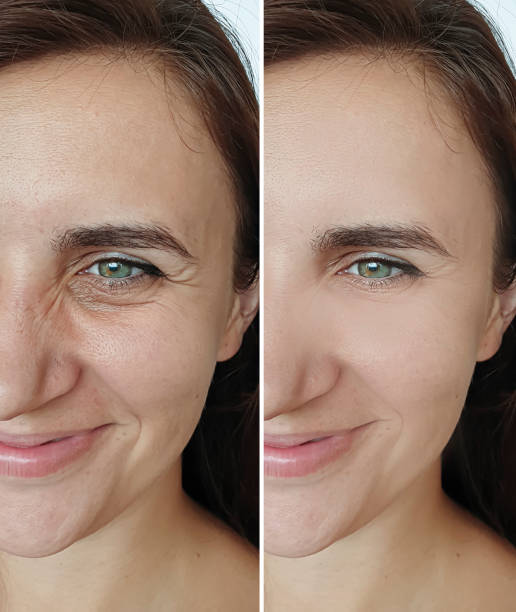
Sun exposure is one of the biggest environmental factors affecting the visible appearance of skin over time.
Repeated exposure to ultraviolet radiation can contribute to changes in texture, uneven pigmentation, and the appearance of fine lines.
You may not notice these effects immediately. Instead, they can gradually become more apparent over the years.
Daily broad-spectrum sunscreen, protective clothing, and sensible sun habits are therefore important parts of an age-conscious skincare routine.
4. Your Sleep May Be Showing on Your Face
There is a reason your complexion can look different after several nights of poor sleep.
Lack of quality sleep can make you appear tired, and the effect may be especially noticeable around the eyes. Darker-looking under-eyes, puffiness, and a generally dull appearance can make the face seem older or more fatigued.
While skincare can help support your appearance, getting enough consistent sleep is one of the simplest lifestyle factors worth prioritising.
5. Your Skin’s Texture May Have Changed
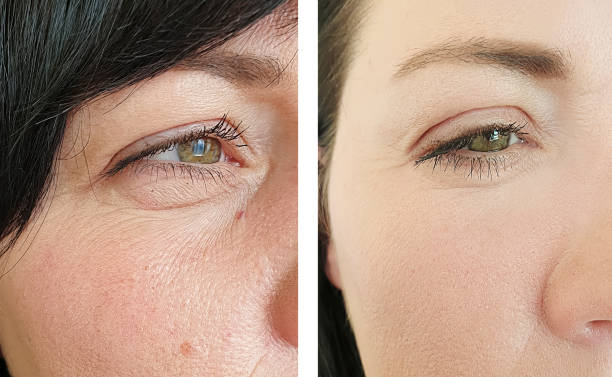
Youthful-looking skin is often associated with a relatively smooth, even texture.
Over time, however, changes in collagen, hydration, cell turnover, and environmental exposure can influence how smooth the surface of the skin appears.
When texture becomes more noticeable, light can reflect differently across the face, making fine lines and imperfections stand out.
Gentle cleansing, moisturising, sun protection, and a consistent skincare routine can all play a role in maintaining a smoother-looking complexion.
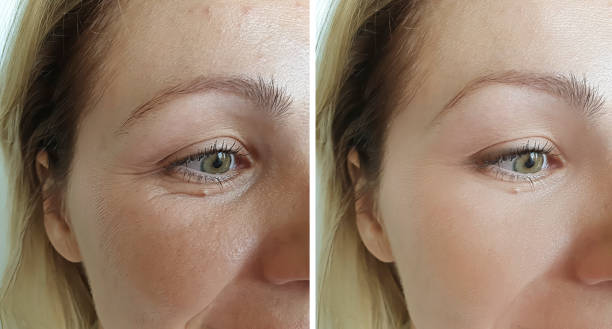
6. Your Under-Eye Area May Be Making You Look More Tired
Sometimes the issue is not your entire face—it is your eyes.
The skin around the eyes is thin and delicate, which means changes such as fine lines, puffiness, and dark-looking circles can have a surprisingly strong effect on your overall appearance.
Even if the rest of your complexion looks healthy, a tired-looking eye area can make you appear older or more exhausted than you actually feel.
That is why eye-area concerns deserve attention when evaluating the overall appearance of ageing skin.
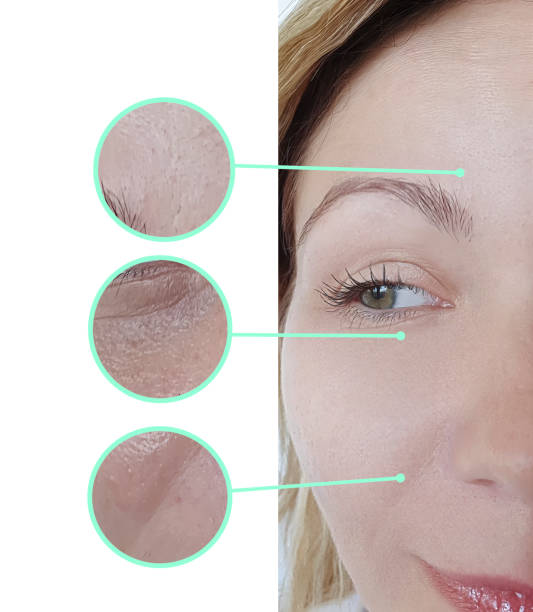
7. Your Skin May Be Reacting to Your Environment
Your skin is exposed to the outside world every day.
Sunlight, dry air, wind, pollution, and temperature changes can all place stress on the skin’s surface.
You cannot control every environmental factor, but you can reduce unnecessary exposure and support your skin with gentle cleansing, adequate moisture, and daily sun protection.
A consistent routine is often more useful than constantly switching between new products.
8. Your Skincare Routine May Be Too Aggressive
More skincare is not automatically better skincare.
Using too many products, over-exfoliating, or choosing formulas that are too harsh for your skin can leave the complexion feeling dry, irritated, or uncomfortable.
When the skin barrier is disrupted, dryness and visible texture may become more obvious.
Instead of chasing every new trend, focus on a manageable routine that your skin tolerates well and that you can follow consistently.
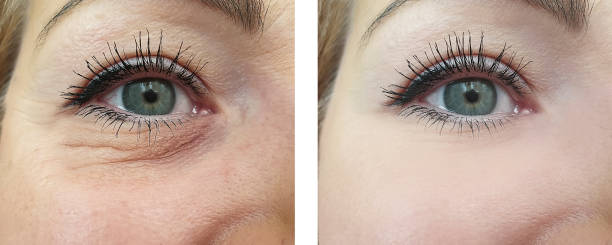
9. Your Lifestyle Can Influence Your Complexion
Skincare is only one part of the picture.
Stress, inconsistent sleep, smoking, excessive alcohol consumption, poor nutrition, and a generally unhealthy lifestyle can all influence how you look and feel.
That does not mean one unhealthy day will suddenly age your skin. Skin appearance is influenced by patterns over time.
Small, sustainable improvements—such as eating a balanced diet, staying active, sleeping consistently, and protecting your skin from excessive sun exposure—can be more meaningful than searching for a single miracle solution.
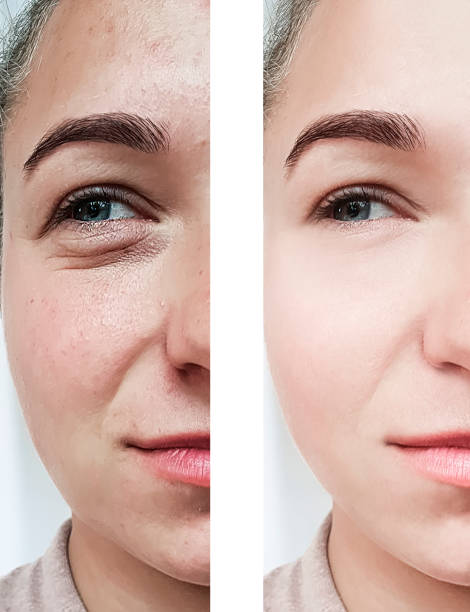
10. You May Need to Think Beyond the Surface
One of the biggest mistakes people make when dealing with visible skin ageing is focusing exclusively on what they can see in the mirror.
Creams, serums, moisturisers, and sunscreen can all have a place in a skincare routine. But the appearance of ageing skin is also connected to structural changes that naturally occur beneath the surface as we get older.
This is why a broader approach can make sense: protect the skin externally while also paying attention to nutrition, lifestyle, hydration, sleep, and the body’s changing needs.
What Can You Do If Your Skin Looks Older Than You Feel?
You do not need to completely overhaul your life—or buy an enormous collection of skincare products—to start taking a more thoughtful approach.
Begin with the fundamentals: protect your skin from excessive sun exposure, keep it moisturised, avoid unnecessarily harsh routines, prioritise sleep, eat a balanced diet, and stay consistent.
If you are also interested in approaches that focus on supporting the skin from within, you may want to explore collagen-focused products as part of your overall routine.
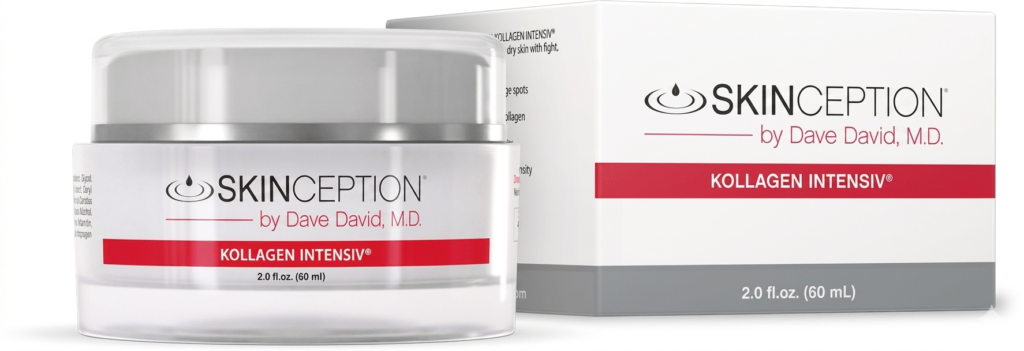
Kollagen Intensiv is one product that people interested in the visible signs of skin ageing may want to learn more about. Rather than treating it as a magic solution, consider whether its approach fits your personal skincare goals and expectations.
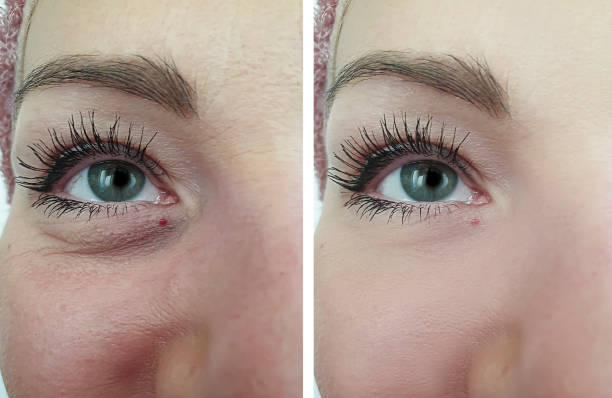
Looking Younger Shouldn’t Mean Trying to Look Like Someone Else
Your skin does not have to look exactly the way it did years ago for you to feel confident in it.
The more useful goal is often understanding why certain changes are happening and choosing habits that support healthy-looking skin as you move through different stages of life.
If your complexion looks more tired, dry, lined, or less youthful than you feel, there may be several contributing factors—not just your age.
Start with the basics, be consistent, and give your routine time to work.
And if you are curious about collagen-focused skincare support, learning more about Kollagen Intensiv can be a natural next step.
⭐⭐⭐⭐⭐ Kollagen Intensiv™ 74 reviews