It may not be just wrinkles — these everyday habits and skin changes can quietly affect how youthful your face looks.
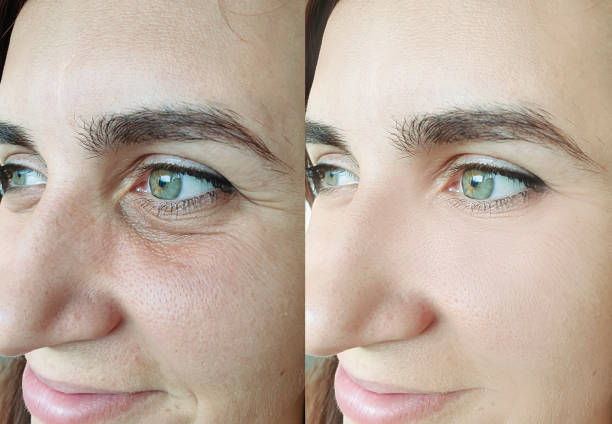
Sometimes you look in the mirror and notice something has changed, but you cannot quite put your finger on what it is. Your skin may not have dramatically more wrinkles, yet your face can somehow appear more tired, dull, or older than you feel.
The surprising part is that visible aging is not caused by wrinkles alone.
Things such as dehydration, lack of sleep, sun exposure, changes in skin texture, and even the way light reflects from your skin can influence how youthful your face appears. The delicate area around the eyes can be especially noticeable because the skin there is thinner and often shows signs of fatigue quickly.
Understanding these less obvious influences can help you make smarter choices about your skincare routine—and avoid focusing on just one symptom.
1. Not Getting Enough Sleep
A poor night’s sleep can show up on your face surprisingly quickly.
When you’re tired, the area around your eyes can appear darker, puffier, or generally less refreshed. Your skin may also look dull rather than bright and healthy.
While one late night isn’t going to suddenly age your face, consistently poor sleep can make you look more tired over time.
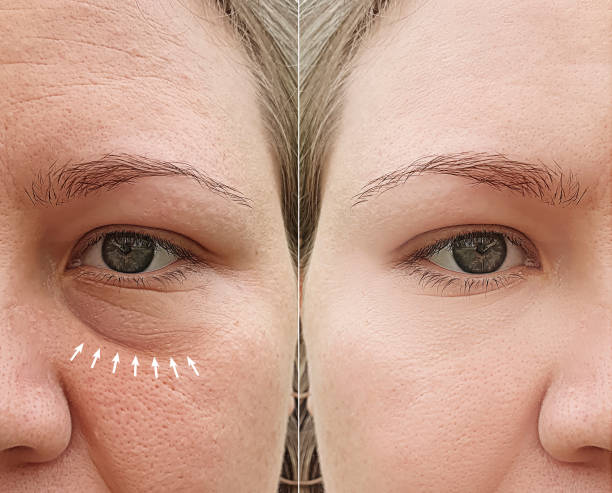
This is particularly noticeable around the eyes, where puffiness and dark-looking areas can change the overall appearance of your face.
Prioritising regular, good-quality sleep is therefore one of the simplest ways to support a fresher-looking appearance.
2. Dehydrated-Looking Skin
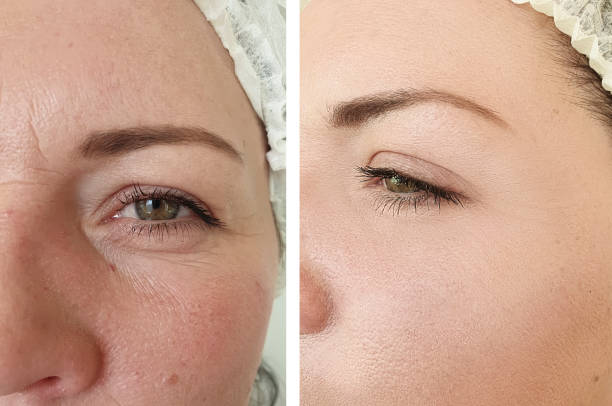
Dry or dehydrated-looking skin can make fine lines appear more noticeable.
When the skin lacks sufficient moisture, its surface can look less smooth and supple. Fine lines may become easier to see, particularly around areas that move frequently, such as the eyes and mouth.
This doesn’t necessarily mean you suddenly have more wrinkles. Sometimes the difference is simply that existing lines are more visible because the skin surface isn’t looking as plump and hydrated.
A consistent moisturizing routine and adequate fluid intake can help support the appearance of smoother-looking skin.
3. Too Much Sun Exposure
Sun exposure is one of the biggest environmental factors associated with visible skin aging.
Repeated exposure can contribute to changes in skin texture, uneven-looking pigmentation, and the gradual loss of a youthful-looking appearance.
And here’s the frustrating part: you don’t necessarily need to spend hours deliberately sunbathing for exposure to accumulate. Everyday activities such as walking, driving, sitting outdoors, or running errands can add up.
Protecting exposed skin with appropriate sun protection and other sensible measures can therefore be an important part of a long-term skincare routine.
4. Neglecting Your Neck and Décolletage
Your face isn’t the only area people notice.
The neck and upper chest can also show changes in texture, dryness, and elasticity over time. Yet these areas are often left out of skincare routines.
This can create a noticeable contrast between well-cared-for facial skin and the skin below it.
Instead of stopping your routine at the jawline, consider extending appropriate moisturizing and sun-protection habits to your neck and décolletage as well.
A consistent approach can make your overall appearance look more balanced.
5. Constant Facial Expressions
Your face is designed to move.
Smiling, squinting, frowning, laughing, and concentrating are completely normal parts of everyday life. But repeated facial movements can contribute to expression lines becoming more noticeable over time.
This is particularly relevant around the eyes and forehead.
That doesn’t mean you should stop smiling or try to keep your face expressionless. Rather, it highlights why visible aging is more complicated than simply counting wrinkles.
Protecting your skin from environmental stressors and maintaining a consistent skincare routine can be more productive than obsessing over every expression line.
6. A Dull, Uneven Skin Surface
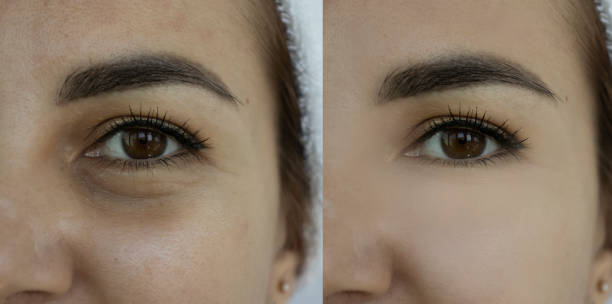
Sometimes what makes a face look older isn’t a prominent wrinkle — it’s the overall quality of the skin.
When your complexion looks dull, uneven, rough, or lacking in radiance, your face can appear more tired and less youthful.
Healthy-looking skin tends to reflect light more evenly, which can create a smoother, brighter appearance.
Gentle cleansing, regular moisturizing, sun protection, and avoiding overly aggressive skincare practices can all help maintain a healthier-looking surface.
7. Overdoing Your Skincare Routine
More skincare isn’t automatically better skincare.
Using too many products, frequently changing routines, or repeatedly using harsh treatments can leave your skin feeling dry, irritated, or uncomfortable.
When the skin’s surface becomes irritated or excessively dry, texture and fine lines may actually look more noticeable.
A simpler routine that you can follow consistently may be more useful than constantly searching for the next miracle product.
The goal should be to support your skin rather than overwhelm it.
8. Losing Skin’s Natural Firmness and Bounce
As we get older, skin naturally changes.
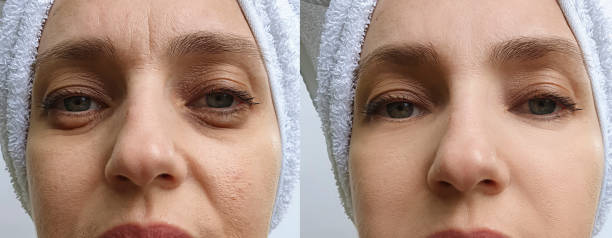
One important change is that the skin can gradually lose some of the firmness, elasticity, and youthful-looking fullness it had earlier in life. This can affect the overall shape and appearance of the face—even when wrinkles aren’t the main concern.
This is one reason why someone may look in the mirror and feel that their face appears different even though they can’t identify a single dramatic wrinkle.
Supporting the skin from multiple angles—including hydration, sun protection, nutrition, and a consistent skincare routine—becomes increasingly important as these natural changes occur.
What Can You Actually Do About a More Mature-Looking Appearance?
The good news is that you don’t need to approach visible aging as one single problem.
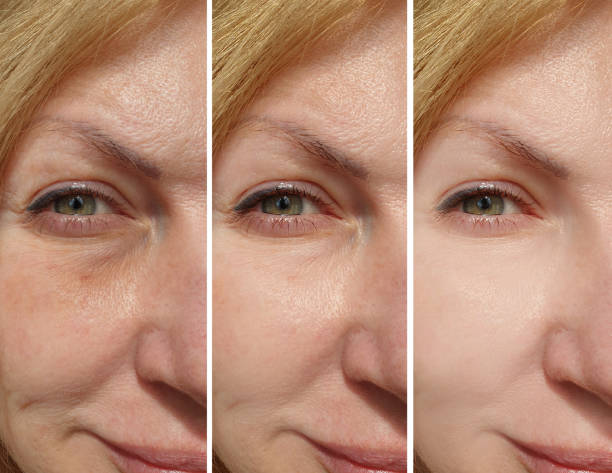
A more youthful-looking appearance is influenced by several factors, including hydration, skin texture, environmental exposure, lifestyle habits, and the natural changes that occur with age.
That means your approach can be equally broad.
Start with the fundamentals: protect your skin from excessive sun exposure, keep it moisturized, get adequate sleep, avoid unnecessarily harsh skincare practices, and pay attention to areas that are commonly neglected—particularly the neck and around the eyes.
For women who are also interested in supporting the appearance of mature skin from within their overall beauty routine, collagen-focused products may be another option worth researching.
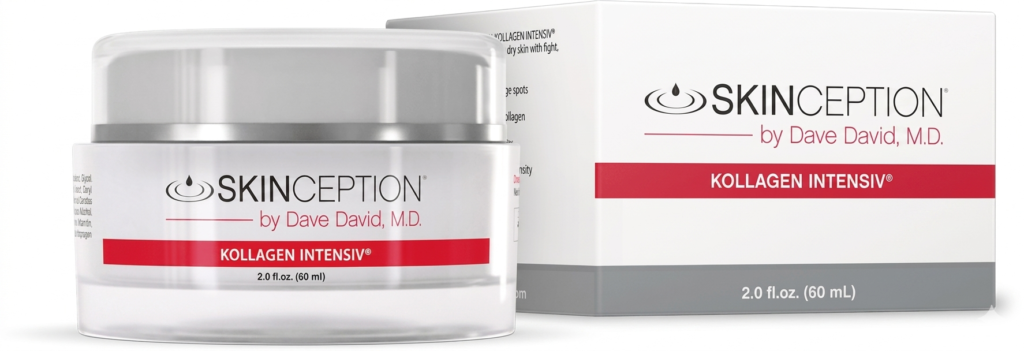
One product you may come across is Kollagen Intensiv. If you’re considering it, take the time to learn about the product, what it is designed for, and whether it fits your personal skincare and wellness approach rather than expecting one product to address every aspect of visible aging.
Looking Older Doesn’t Always Mean Having More Wrinkles
One of the biggest misconceptions about aging is that wrinkles tell the whole story.
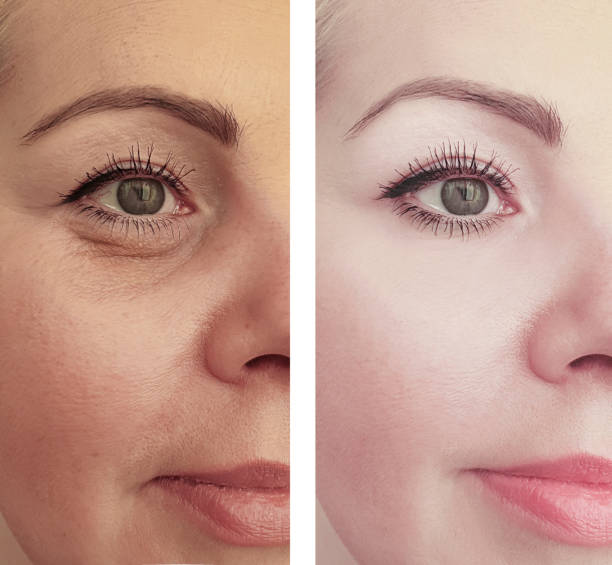
Your face can appear older because of dullness, dehydration, puffiness, uneven texture, sun-related changes, or a gradual loss of youthful-looking firmness. These factors can work together, making you look more tired or mature even when your actual number of wrinkles hasn’t changed dramatically.
That is why taking a broader approach makes sense.
Small improvements in everyday habits, consistent skincare, sun protection, and attention to the skin’s overall appearance can all contribute to a healthier-looking complexion.
And if you’re curious about whether a collagen-focused product such as Kollagen Intensiv could complement your existing approach, learning more about the product may be a worthwhile next step.
Sometimes the secret to looking fresher isn’t about chasing one wrinkle—it’s about understanding the bigger picture.
⭐⭐⭐⭐⭐Kollagen Intensiv™ 74 reviews