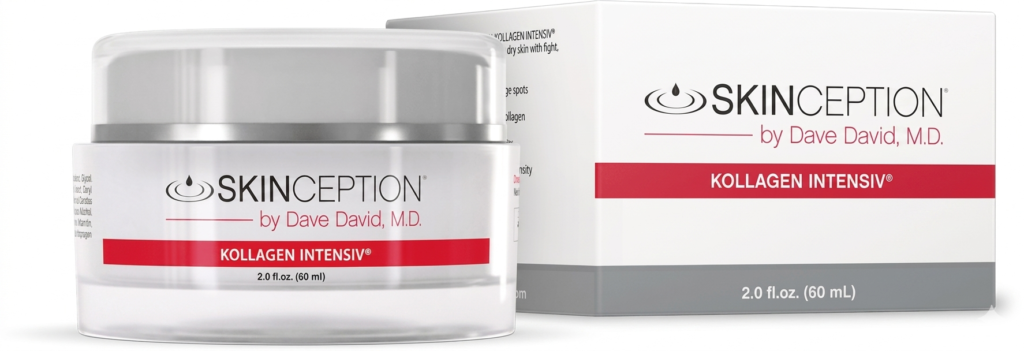
The changes you notice in the mirror may have less to do with your skincare routine than you think.
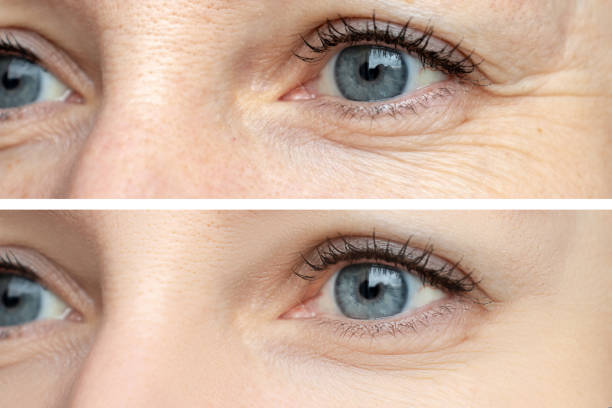
There is a particular moment when you look in the mirror and realise your skin simply doesn’t look the way it used to.
Maybe your complexion seems duller. Fine lines are easier to notice. Your face looks more tired, even after a good night’s sleep. And around your eyes, small changes can make you look older or more fatigued than you actually feel.
It is tempting to blame a new cream, lack of sleep, or simply getting older.
But youthful-looking skin depends on several different factors working together. Some changes happen gradually and can be easy to overlook until they become noticeable.
Understanding what is actually changing can help you make better decisions about how you care for your skin.
Here are 10 reasons your skin may not look as young as it once did.
1. Your skin produces less collagen over time.
Collagen is an important structural protein in the skin. It helps provide firmness and support.
As we age, the body’s natural production of collagen gradually declines. This can contribute to changes in firmness and the appearance of fine lines and wrinkles.
This is one reason your usual skincare routine may not produce the same appearance it did years ago.
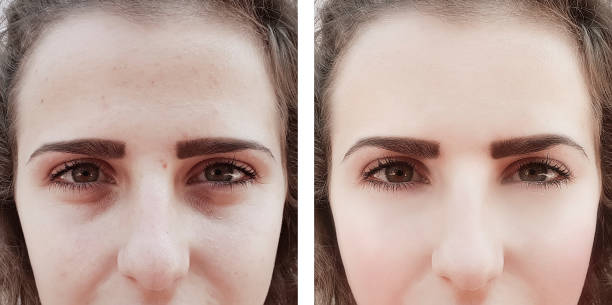
2. Your skin may be losing moisture more easily.
Young-looking skin generally has a smooth, hydrated appearance.
As skin changes with age, it may become more prone to dryness and may not retain moisture as effectively. When the skin surface becomes dehydrated, fine lines can appear more noticeable, and the complexion can look less fresh.
Sometimes what looks like “more wrinkles” is partly a change in hydration and skin texture.
3. Sun exposure adds up over the years.
You don’t need to experience a dramatic sunburn for sun exposure to affect the appearance of your skin.
Years of everyday exposure can contribute to visible changes such as uneven tone, rougher texture and the appearance of lines.
This is why protecting your skin from excessive sun exposure is important not just for today, but for maintaining its appearance over time.
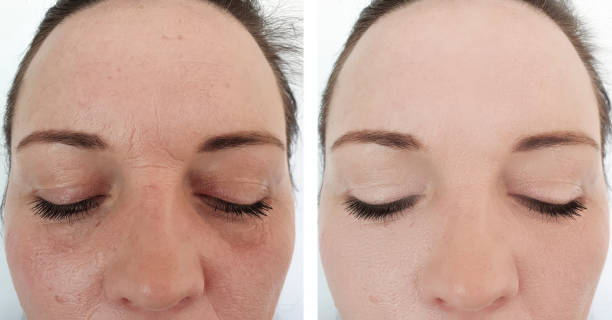
4. Your skin’s natural renewal process changes.
Skin is constantly renewing itself.
However, the rate at which this happens can change as you get older. When surface skin cells don’t turn over as quickly, your complexion may appear less bright and smooth.
This can create the impression that your skin has suddenly become dull when the change has actually been developing gradually.
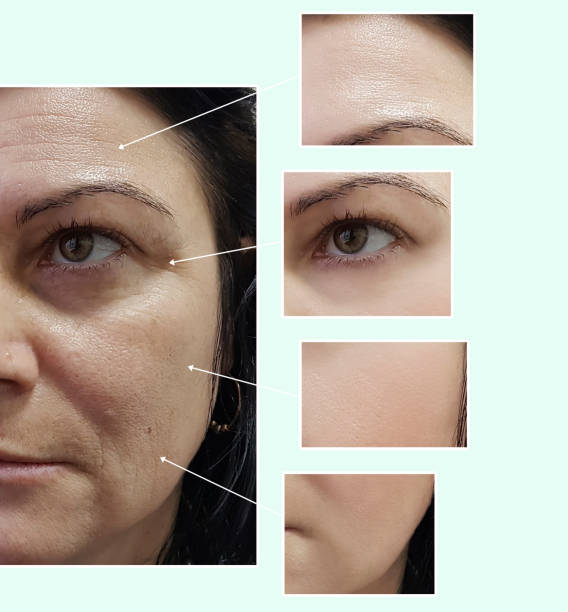
5. Your skin may look thinner or less firm.
Age-related changes don’t only affect wrinkles.
The overall structure and appearance of the skin can change, which may make certain areas look less firm or defined than they once did.
This can be particularly noticeable around delicate areas of the face, where even subtle changes can affect your overall appearance.
6. Your eyes can make tiredness more noticeable.
The eye area deserves special attention because the skin there is delicate and changes can be highly visible.
Dark-looking circles, puffiness, fine lines and a tired-looking appearance can make the entire face seem less youthful.
Even when the rest of your complexion looks healthy, changes around the eyes can strongly influence how refreshed you appear.
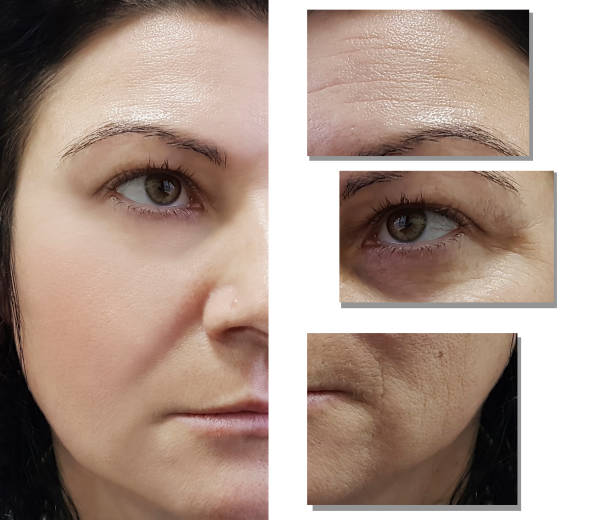
7. Your skincare routine may no longer match your skin.
The products that worked beautifully in your twenties or thirties may not necessarily address what your skin needs later.
Your skin can change in texture, moisture levels and sensitivity.
Instead of continually adding more products, it can be more useful to reconsider whether your routine is actually addressing your current concerns.
More skincare isn’t automatically better skincare.
8. Everyday lifestyle factors can show on your skin.
Skin appearance isn’t determined by skincare products alone.
Sleep, stress, diet, hydration and everyday habits can all influence how your skin looks and feels.
A few difficult nights may leave your face looking temporarily tired, while long-term habits can also influence the overall appearance of your complexion.
Your skincare routine is only one part of the picture.
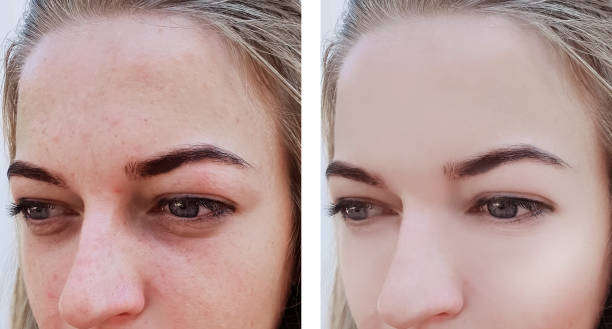
9. Fine lines become easier to notice.
Fine lines don’t necessarily appear overnight.
Small changes can gradually become more visible as collagen production, hydration and skin structure change.
You may first notice them when applying makeup or looking closely in a mirror. Eventually, they may become noticeable even when your face is relaxed.
This is one reason prevention and consistent skincare habits can be more useful than waiting until changes become pronounced.
10. Your skin is changing from the inside out.
Perhaps the biggest reason your skin doesn’t look as young as it used to is that ageing isn’t simply a surface problem.
The skin is a living organ, and its appearance reflects changes happening within the body as well as environmental factors affecting the surface.
That doesn’t mean ageing can or should be “stopped”.
It means that maintaining youthful-looking skin requires thinking beyond simply covering visible imperfections.
What Can You Actually Do About It?
Once you understand why your skin is changing, the next step is looking at your overall approach.
Start with the fundamentals: protect your skin from excessive sun exposure, maintain good hydration, use skincare appropriate for your current needs and pay attention to the habits that affect how your skin looks.
You can also explore products designed to support the appearance of firmer, smoother and more hydrated-looking skin.
This is where collagen-focused skincare and nutritional approaches may become interesting for people who are specifically concerned about visible signs of ageing.
One product you may want to research is Kollagen Intensiv.
Rather than thinking of it as a magic solution, it makes more sense to consider whether its approach fits your personal skincare goals and expectations. If you’re already noticing changes in firmness, fine lines, dryness or the overall youthful appearance of your skin, learning more about a collagen-focused product may help you decide whether it is worth exploring.
The important thing is to look at the bigger picture rather than expecting one product to reverse every visible change.
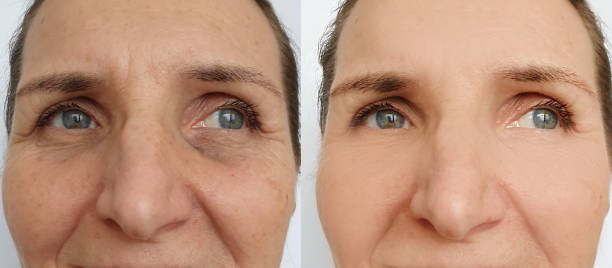
Your Skin Can Still Look Its Best
Your skin changing with age is completely normal. But accepting that change doesn’t mean you have to stop caring about how your skin looks.
The most useful approach is understanding why those changes are happening and then building habits around what your skin needs now—not what worked years ago.
Collagen decline, moisture changes, sun exposure, slower renewal and the delicate nature of the eye area can all contribute to a less youthful appearance.
Once you recognise the factors involved, your skincare choices become much more intentional.
If you’re particularly interested in supporting a smoother, firmer and more youthful-looking appearance, Kollagen Intensiv may be worth learning more about. Understanding how it fits into your overall approach to skin ageing is a sensible next step before deciding whether it’s right for you.
⭐⭐⭐⭐⭐ Kollagen Intensiv™ 74 reviews