Some of the things you do every day may be quietly contributing to a tired, less youthful-looking appearance — and they’re easier to overlook than you might think.
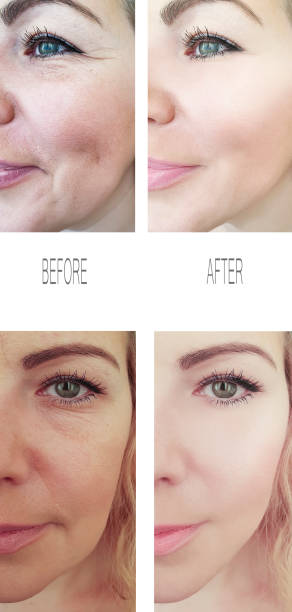
Have you ever looked in the mirror and wondered why your face suddenly seems more tired or older-looking than it used to?
Sometimes the change isn’t caused by one dramatic skincare mistake. It can be the result of small habits repeated day after day. Your skin is constantly exposed to environmental stress, changes in hydration, lack of sleep, and the natural ageing process. Over time, those everyday factors can influence how smooth, fresh, and youthful your complexion appears.
And the area around your eyes can make those changes particularly noticeable. Dark-looking circles, puffiness, fine lines and a generally tired appearance can affect how your entire face looks.
The good news is that some of the habits that may be working against your appearance are surprisingly ordinary.
Here are seven worth paying attention to.
1. Not Getting Enough Quality Sleep
A late night occasionally isn’t likely to transform your appearance overnight. The problem is when insufficient sleep becomes your normal routine.
During sleep, your body has an opportunity to carry out important repair and recovery processes. When you’re consistently cutting your sleep short, your face may look more tired, and the delicate skin around your eyes can appear particularly affected.
Dark circles, puffiness and a dull-looking complexion may become more noticeable when you’re regularly running on too little rest.
Instead of relying on another concealer to hide tired-looking eyes, look at your sleep routine first. Creating a more consistent bedtime and allowing yourself enough time for quality sleep can be a much more useful starting point.
2. Forgetting About Daily Sun Protection
Sun exposure is one of the biggest environmental factors affecting the visible appearance of skin over time.
You don’t necessarily need to spend hours at the beach for exposure to matter. Everyday activities such as walking, driving or sitting outside can add up.
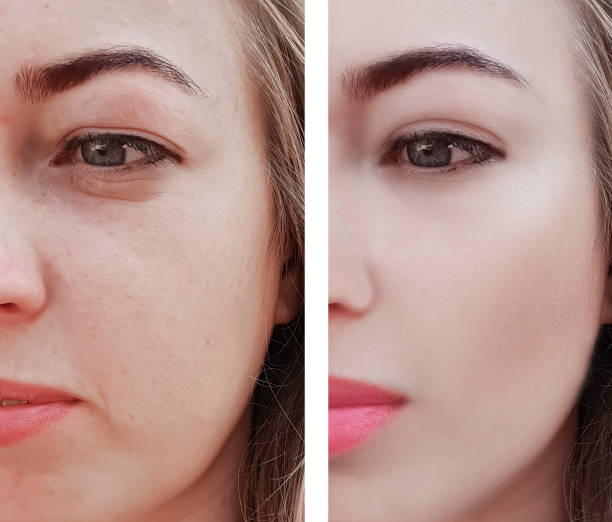
Repeated ultraviolet exposure can contribute to visible changes such as uneven pigmentation, fine lines and loss of the skin’s youthful appearance.
That’s why sun protection shouldn’t only be something you remember during summer holidays. Making it part of your everyday skincare routine can help protect the appearance of your skin over the long term.
Don’t forget areas that are easy to overlook, including around the eyes. Use appropriate sun protection carefully and follow the product’s instructions.
3. Rubbing or Pulling at the Skin Around Your Eyes
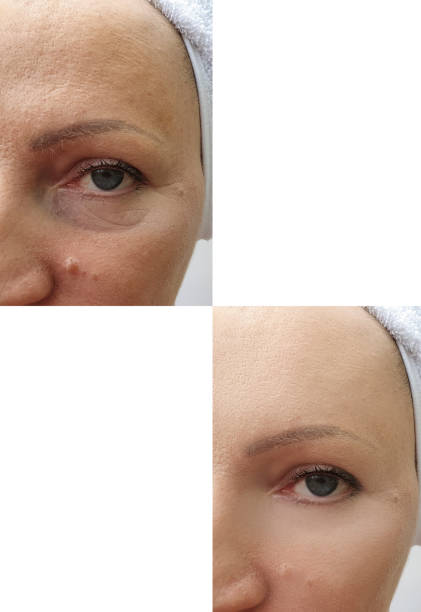
The skin around your eyes is delicate, which makes rough handling a habit worth reconsidering.
You might rub your eyes when you’re tired, remove makeup aggressively, or repeatedly pull at the skin while applying skincare products. None of these actions are particularly helpful for such a sensitive area.
You don’t have to stop touching your face completely. The important difference is how you do it.
When removing makeup or applying skincare, use gentle movements rather than dragging or scrubbing the skin. If your eyes feel irritated or itchy frequently, addressing the underlying reason is more useful than repeatedly rubbing them.
Small changes in how you treat this area can make your skincare routine much kinder to your skin.
4. Neglecting Hydration
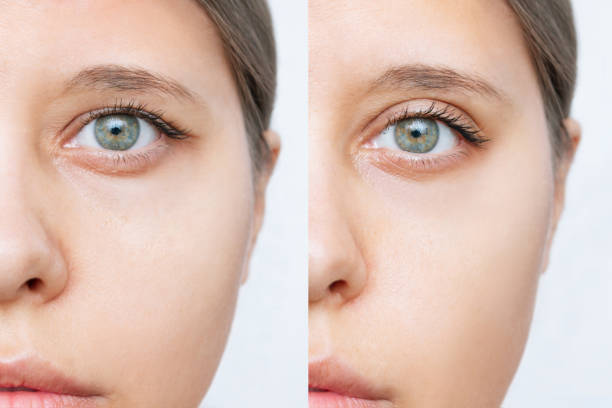
Hydration isn’t a magic solution for every sign of ageing, but it can make a noticeable difference to how skin looks and feels.
When skin becomes dry, fine lines can appear more pronounced, and the complexion may look dull or less supple. Dehydrated skin can also make makeup sit unevenly, drawing more attention to texture.
This is why a simple skincare routine that supports the skin’s moisture barrier can be valuable.
Drinking enough fluids throughout the day and using a suitable moisturiser can both be helpful parts of maintaining comfortable, healthy-looking skin.
The goal isn’t to constantly add more products. It’s to avoid allowing dryness to become an overlooked part of your routine.
5. Constantly Looking Down at Screens
Phones and computers have become part of everyday life, so this isn’t about avoiding screens.
However, spending hours looking downward can contribute to a habit of repeatedly holding the same facial and neck positions. More importantly, excessive screen time can sometimes interfere with sleep, especially when you’re using devices late at night.
There’s also the simple issue of eye fatigue.
If you spend much of your day looking at a screen, take regular breaks, adjust your screen position and give your eyes opportunities to rest.
Your skin routine can’t compensate for every lifestyle habit, so sometimes the most useful improvement is simply changing how you use your devices.
6. Smoking
Smoking is a habit with many well-established health risks, and it can also affect the visible appearance of skin.
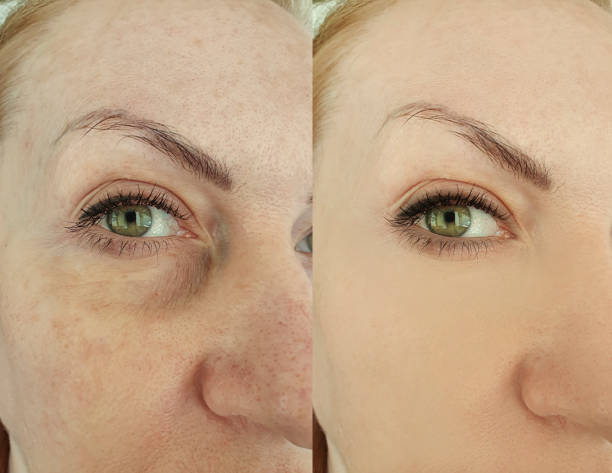
Smoking can contribute to changes in skin quality and is associated with premature skin ageing. It can also expose the skin to substances that contribute to oxidative stress.
If maintaining a youthful-looking complexion is one of your goals, smoking is therefore worth considering as part of the bigger picture.
For smokers, quitting is about considerably more than appearance. It is an important health decision, and support from a qualified healthcare professional can make the process easier.
7. Expecting Skincare Alone to Do Everything
This may be one of the easiest habits to overlook.
It’s tempting to think that finding the right cream, serum or treatment will solve every visible sign of ageing. But your skin is influenced by much more than the products sitting on your bathroom shelf.
Sleep, sun exposure, nutrition, hydration, smoking, stress and everyday routines can all form part of the bigger picture.
Skincare still has an important role. But it works best when you’re also paying attention to the habits surrounding it.
Instead of constantly searching for another product, take a few minutes to look at your entire routine.
What Can You Do If Your Skin Already Looks More Tired or Mature?
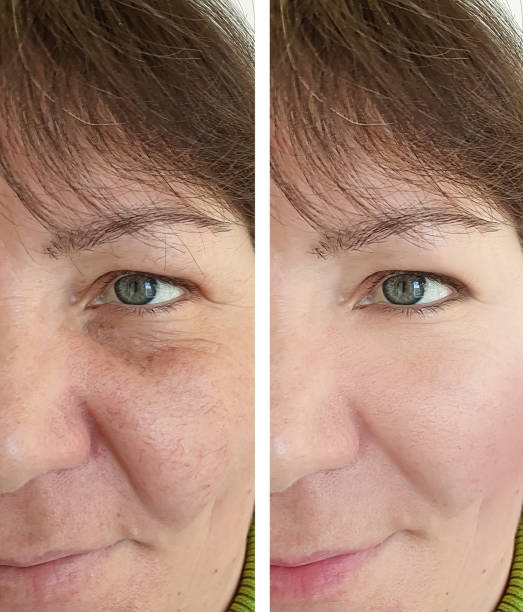
Changing these habits won’t make your skin suddenly look years younger, and no skincare product can realistically stop the natural ageing process.
What you can do is create a better foundation for maintaining healthy-looking skin.
That may mean improving your sleep routine, becoming more consistent with sun protection, treating the eye area gently, staying hydrated and reviewing the products you’re using.
For people particularly interested in supporting the appearance of skin as it changes with age, collagen is another area worth learning about.
Collagen is a structural protein naturally found in the body, including the skin, and collagen production changes as we get older. This is one reason some people choose to explore collagen-focused skincare or supplements as part of their beauty routine.
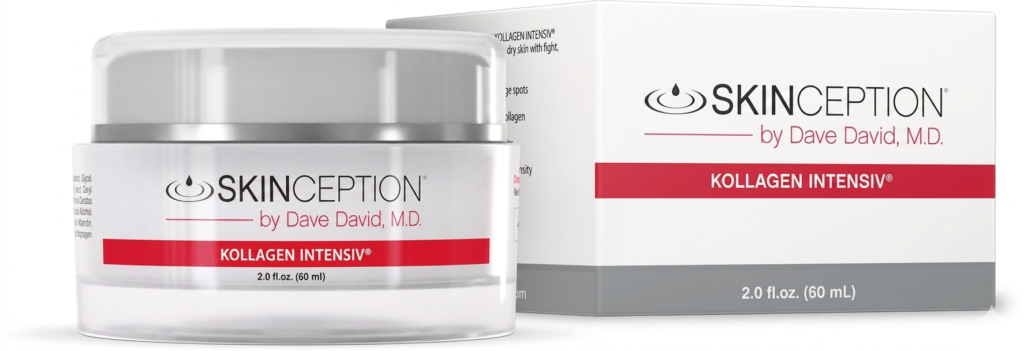
If you’re interested in a collagen-focused product, Kollagen Intensiv is one option you can research further. Rather than expecting one product to undo years of lifestyle habits, it’s more sensible to consider it as one part of a broader approach to caring for your appearance.
Before adding any supplement to your routine, check the product information carefully and consider whether it’s appropriate for you.
Your Everyday Routine Matters More Than You Think
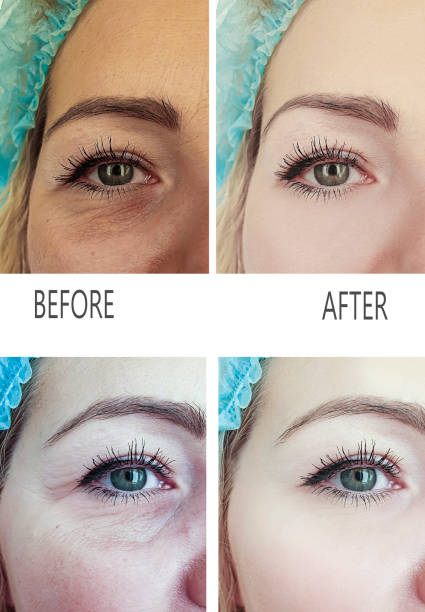
Looking older or more tired than you’d like doesn’t necessarily mean you need a completely new skincare routine.
Sometimes the better place to start is with the small things you do repeatedly.
Getting enough sleep, protecting your skin from everyday sun exposure, being gentle around your eyes, maintaining hydration and paying attention to lifestyle habits can all contribute to a more thoughtful approach to maintaining your appearance.
And if you’re looking for additional ways to support your skincare routine, learning more about collagen and products such as Kollagen Intensiv may be a worthwhile next step.
The key is not searching for one miracle solution. It’s understanding what your skin needs and making better choices consistently.
⭐⭐⭐⭐⭐ Kollagen Intensiv™ 74 reviews