From daily habits to overlooked environmental factors, these common routines may be quietly affecting how youthful, fresh, and rested your skin looks.
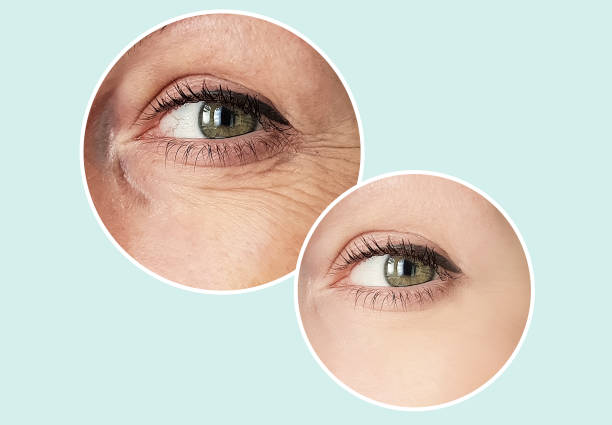
Have you ever looked in the mirror and thought your skin suddenly seemed more tired or older than you expected?
Sometimes the change isn’t caused by one dramatic mistake. It can be the result of small things repeated day after day. The way you sleep, how much sun exposure you get, your daily stress levels, and even how you treat your skin can all influence its visible appearance over time.
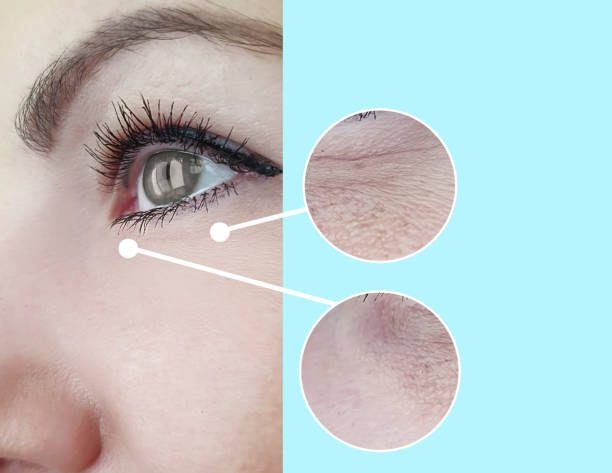
This becomes particularly noticeable around the eyes. Darker-looking circles, puffiness, fine lines, dryness, and a generally tired appearance can make you look older even when you feel perfectly well.
The good news is that understanding these everyday influences gives you something useful: areas you can actually pay attention to.
Here are 10 common factors that may be making your skin look older than it really is.
1. Too Much Sun Exposure
Sun exposure is one of the biggest environmental factors associated with visible skin ageing.
Ultraviolet (UV) radiation can contribute to changes in the skin’s structure and appearance, including uneven pigmentation, fine lines, and loss of firmness.
You don’t necessarily need to spend hours deliberately sunbathing for cumulative exposure to matter. Everyday activities such as walking, driving, sitting outdoors, or running errands can add up.
Protecting your skin from excessive UV exposure and using appropriate sun protection can therefore be an important part of maintaining a more youthful-looking complexion.
2. Not Getting Enough Sleep
Your skin can look very different after a poor night’s sleep.
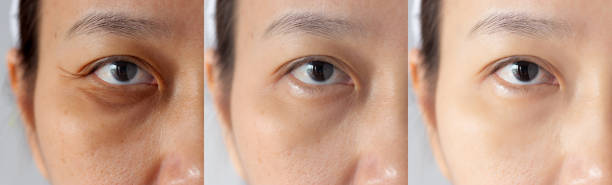
Lack of sleep may make the face appear duller, while the eye area can look particularly tired. Dark circles, puffiness, and more noticeable fine lines can all become more apparent when you’re not getting enough quality rest.
Sleep won’t magically erase signs of ageing, but consistently prioritising good sleep gives your skin a better environment to maintain its normal repair and renewal processes.
3. Constant Stress
Stress doesn’t just affect how you feel. It can also show on your face.
When stress becomes a regular part of everyday life, it can interfere with sleep, encourage unhealthy habits, and make you look visibly more tired.
You may notice that your complexion looks less fresh during particularly stressful periods or that you look more fatigued around the eyes.
Finding manageable ways to reduce everyday stress—whether through exercise, relaxation, social connection, or simply giving yourself time to switch off—can support your overall wellbeing and your appearance.
4. Not Drinking Enough Water
Dehydrated skin can appear drier, duller, or less plump.
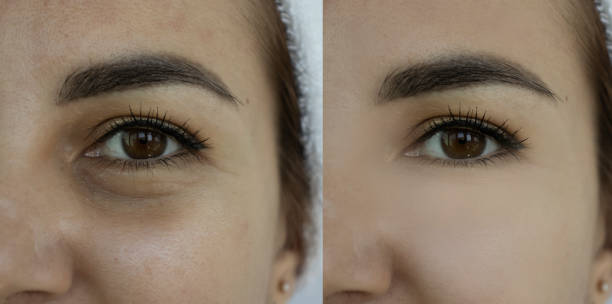
When the skin’s surface lacks moisture, fine lines can sometimes become more noticeable, particularly around areas where the skin is naturally thin.
Drinking enough fluids throughout the day is one simple part of supporting normal skin function. However, hydration isn’t only about how much water you drink. A suitable moisturising routine can also help support the skin barrier and reduce moisture loss from the surface.
5. Smoking
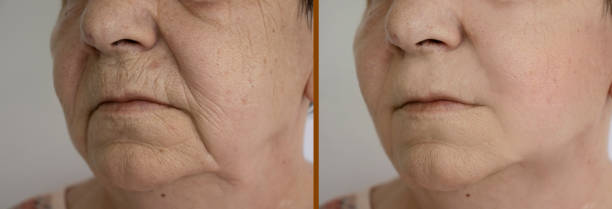
Smoking can have a significant impact on the appearance of skin.
It can expose the body to substances that affect circulation and contribute to oxidative stress. Over time, this can be associated with changes in skin texture, tone, and the development of wrinkles.
If you’re looking for ways to protect your skin’s appearance, avoiding smoking is considerably more useful than trying to compensate for its effects with expensive skincare products.
6. Frequently Drinking Alcohol
Alcohol can contribute to dehydration and may leave some people looking temporarily more tired or puffy.
If drinking is frequent or excessive, it can also interfere with sleep quality, which may make the effects around the eyes even more noticeable.
This doesn’t mean one occasional drink suddenly ages your skin. The bigger picture is your overall lifestyle pattern and how consistently you give your body the conditions it needs to function well.
7. Skipping Sun Protection Because It’s Cloudy
Cloudy weather doesn’t mean UV exposure disappears.
It’s easy to think sunscreen is only necessary during beach days or summer holidays, but UV exposure can occur during ordinary daily activities as well.
Making sun protection part of your regular routine can be a much more practical approach than treating it as something you only remember when the weather is hot.
8. Being Too Rough With Your Skin
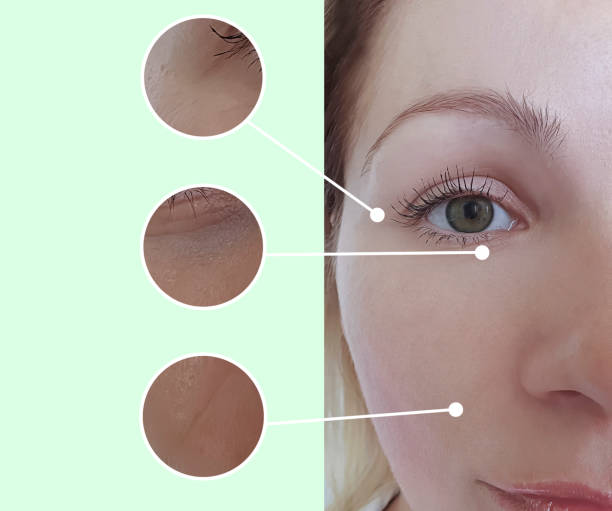
Your skin—especially around the eyes—is delicate.
Aggressive rubbing, repeatedly pulling at the skin, harsh cleansing, or scrubbing too frequently can cause irritation and leave the skin looking temporarily red, dry, or stressed.
The eye area deserves particular care because the skin there is thinner than in many other areas of the face.
Gentle cleansing and avoiding unnecessary rubbing can help you protect the appearance of this delicate area.
9. Neglecting Your Diet
Your skin needs a range of nutrients to support its normal structure and function.
A diet consistently lacking variety may mean you’re missing some of the nutrients your body relies on for general health, including healthy skin.
Rather than searching for one magical “anti-ageing” food, focus on an overall balanced eating pattern that includes a variety of nutritious foods.
Your skin is part of your body, after all—and what supports overall health can also support the conditions your skin needs to function normally.
10. Expecting Skincare Alone to Do Everything
This may be one of the easiest mistakes to make.
It’s tempting to believe that finding the right cream or serum will solve every visible sign of ageing. But your skin’s appearance is influenced by much more than what you put on its surface.
Sun exposure, sleep, lifestyle, nutrition, hydration, stress, genetics, and the natural ageing process all play a role.
A good skincare routine can certainly be worthwhile, but it works best as part of a broader approach rather than as the entire strategy.
What Can You Do If Your Skin Looks Older Than You’d Like?
The first step isn’t necessarily buying another product.
Look at the everyday factors you can realistically improve. Protect your skin from excessive sun exposure, aim for consistent sleep, stay adequately hydrated, avoid smoking, eat a varied diet, and treat delicate areas gently.
You can then consider whether your existing skincare routine is actually addressing the concerns that matter most to you.
For women particularly concerned about the visible signs of ageing, another area worth exploring is how collagen fits into the skin-ageing picture. Collagen is an important structural protein in skin, and its production naturally changes as we age.
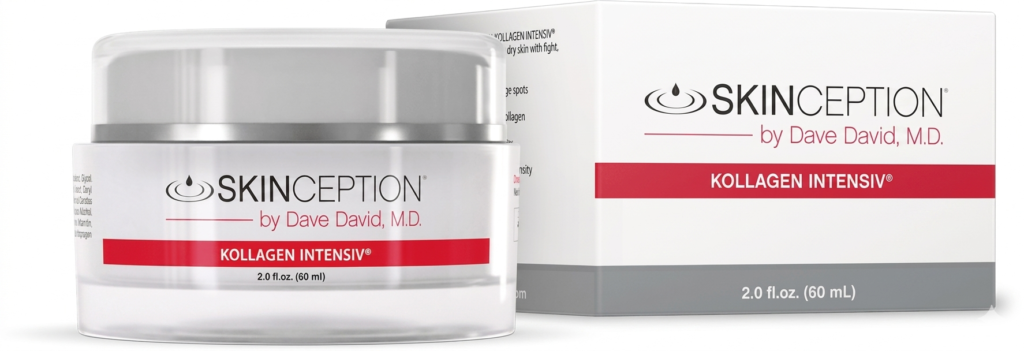
This is where products such as Kollagen Intensiv may be worth investigating for someone interested in a collagen-focused approach to their beauty routine.
Rather than expecting any product to reverse ageing overnight, it’s more sensible to learn what a product is designed to do, review the available information, and decide whether it fits your personal skincare goals.
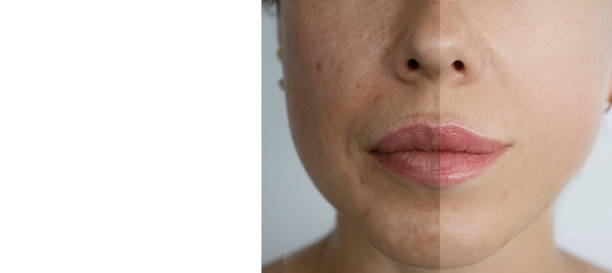
Your Skin May Be Telling You More Than You Think
Looking older than you feel can be frustrating, especially when the change seems to happen gradually.
But visible skin ageing isn’t usually caused by one single thing. It’s often the combination of natural ageing with years of everyday exposure, habits, lifestyle choices, and environmental factors.
That means small improvements can be worthwhile.
If you’re concerned about fine lines, loss of youthful-looking firmness, dryness, or a tired-looking appearance around the eyes, start by looking at the habits you repeat every day. Then consider what additional skincare or collagen-focused options may complement that routine.
If you’d like to explore whether Kollagen Intensiv could fit into your approach to maintaining younger-looking skin, learning more about the product can be a logical next step.
⭐⭐⭐⭐⭐Kollagen Intensiv™ 74 reviews