Your eyes can look tired, dry, or older than you feel—but some of the habits affecting their appearance may be surprisingly simple to change.
Why Your Eye Area Deserves More Attention
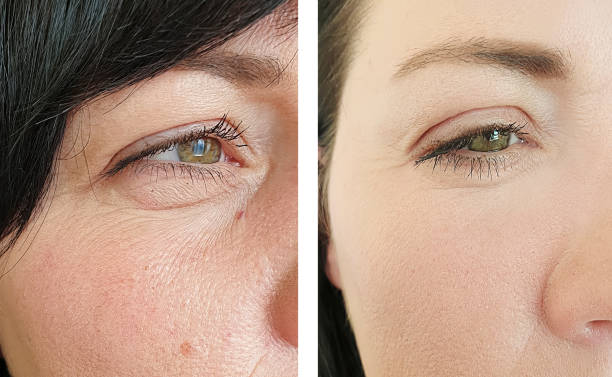
The eye area is often the first place where tiredness and visible signs of aging seem to show.
You may notice under-eye dryness, puffiness after a poor night’s sleep, fine lines that seem more obvious in certain lighting, or a generally tired appearance even when you feel perfectly fine.
It’s easy to respond by buying another eye cream or covering everything with concealer. But skincare products aren’t the only part of the picture.
Everyday habits can influence how the delicate skin around your eyes looks and feels. Some affect hydration, some relate to environmental exposure, and others simply determine how much unnecessary stress your skin experiences.
The good news is that improving eye care doesn’t necessarily require an elaborate routine.
Sometimes, the basics matter more than adding another product.
Here are eight eye-care habits worth paying attention to.
1. Be Gentle When Removing Makeup
The skin around your eyes is delicate, so aggressive rubbing isn’t a good habit.
Mascara, eyeliner, and other eye makeup can sometimes require extra effort to remove, but repeatedly pulling or scrubbing at the area can leave the skin feeling irritated.
Instead, use a gentle approach. Allow your makeup remover to loosen the product before wiping rather than immediately rubbing back and forth.
The goal isn’t simply getting makeup off quickly. It’s removing it while causing as little unnecessary friction as possible.
2. Don’t Ignore Daily Sun Protection
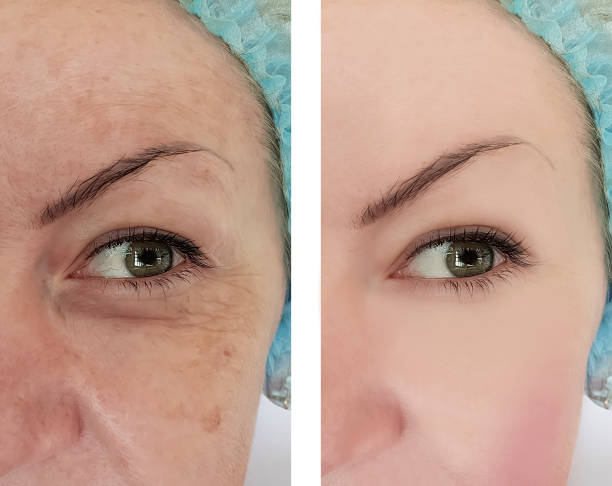
Sun exposure is one of the biggest environmental factors to consider when you’re concerned about the visible signs of skin aging.
Many people remember sunscreen for their face but become less consistent around the eye area.
Appropriate sun protection, sunglasses, and seeking shade when practical can all form part of a sensible approach to protecting exposed skin.
You don’t need to turn your routine into a complicated process. Consistency is more useful than constantly changing products.
3. Give Your Eyes a Break From Screens
Long periods of screen use can leave your eyes feeling tired and uncomfortable.
While screen time isn’t the sole explanation for visible aging around the eyes, staring at a screen for hours can contribute to eye fatigue and the habit of squinting.
Try taking regular breaks during prolonged screen sessions. Look away from the screen and focus on something farther away for a while.
It is a small habit, but one that’s easy to incorporate into a normal workday.
4. Prioritize Consistent, Quality Sleep
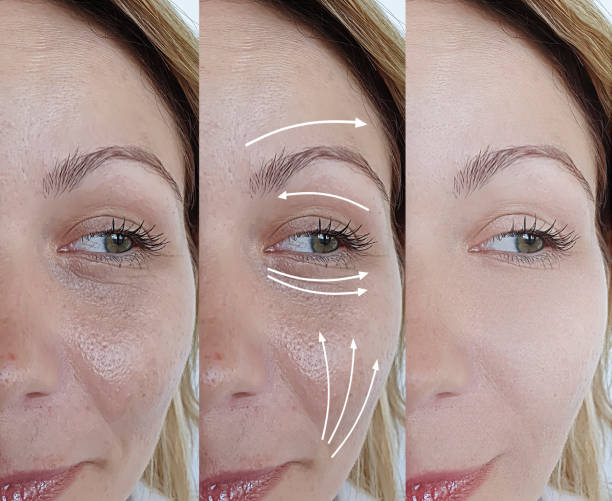
A late night can show up on your face the next morning.
The eye area can look particularly tired when you’re not getting enough quality sleep. Puffiness and a dull, fatigued appearance can become much more noticeable.
Rather than treating sleep as something to catch up on occasionally, aim for a consistent sleep routine whenever possible.
Good skincare can’t completely compensate for consistently poor lifestyle habits.
Your nighttime routine should include preparing yourself for rest—not just applying another product.
5. Keep the Skin Properly Hydrated
Dry-looking skin can make fine lines appear more noticeable.
The skin around the eyes is particularly delicate, which is why maintaining appropriate hydration can make an important difference to its overall appearance.
This doesn’t mean covering your face in multiple layers of products.
A simple, consistent skincare routine designed around your skin’s needs is often easier to maintain than an overly complicated one that you eventually stop using.
Pay attention to how your skin feels as well as how it looks.
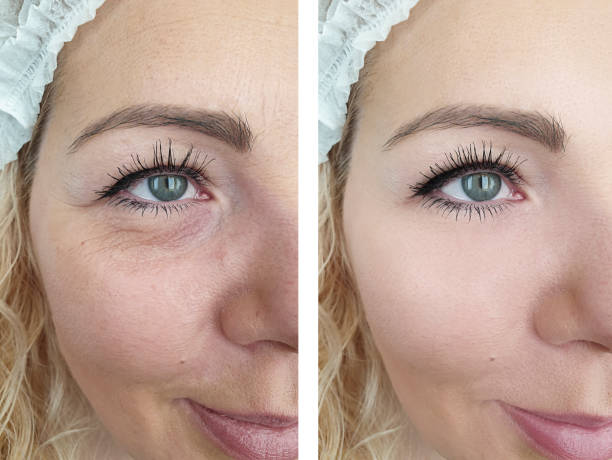
6. Avoid Constantly Touching or Rubbing Your Eyes
It’s easy to rub your eyes without even thinking about it.
You might do it when you’re tired, when your eyes feel dry, or simply out of habit.
But frequent rubbing isn’t a particularly gentle practice for the delicate skin surrounding your eyes.
Becoming aware of how often you touch the area is a useful first step. If your eyes are repeatedly uncomfortable, dry, itchy, or irritated, it’s also worth addressing the underlying reason rather than simply rubbing them.
7. Don’t Build Your Routine Around Quick Fixes
Concealer can make dark circles less noticeable. A cooling product can temporarily make the eye area feel refreshed. Certain skincare products can improve the appearance of dryness.
Those things can have a place in a beauty routine.
The problem comes when quick fixes become the entire strategy.
Healthy-looking skin is generally supported by consistency: sensible skincare, protection from environmental exposure, adequate rest, and habits that don’t unnecessarily stress the skin.
Think long-term rather than looking for one product that has to do everything.
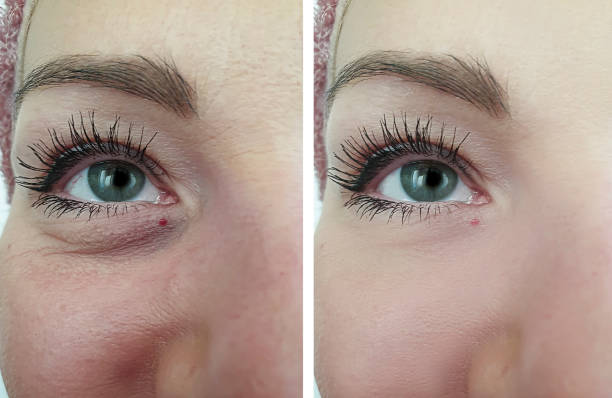
8. Pay Attention to Your Overall Skincare Routine
Your eye area doesn’t exist separately from the rest of your skin.
As skin changes with age, factors such as hydration, texture, elasticity, and the appearance of fine lines can become more noticeable.
That’s why it’s worth looking at your skincare routine as a whole rather than focusing exclusively on one visible concern.
Ask yourself whether your routine is actually addressing what you’re trying to improve—or whether you’re simply adding products because something new caught your attention.
A simpler routine that you consistently follow can be more practical than a complicated one you rarely maintain.
Where Collagen-Focused Skincare May Fit In
Once you’ve addressed the everyday basics, you may also start looking at products designed specifically for the appearance of aging skin.
This is where collagen-focused skincare can become part of the conversation.
Collagen is naturally associated with the structure and firmness of skin, and visible changes in skin appearance are one reason collagen has become such a popular focus within the beauty industry.
If you’re particularly concerned about fine lines, texture, or skin that looks less youthful than it once did, it makes sense to research products carefully rather than choosing one based purely on advertising.
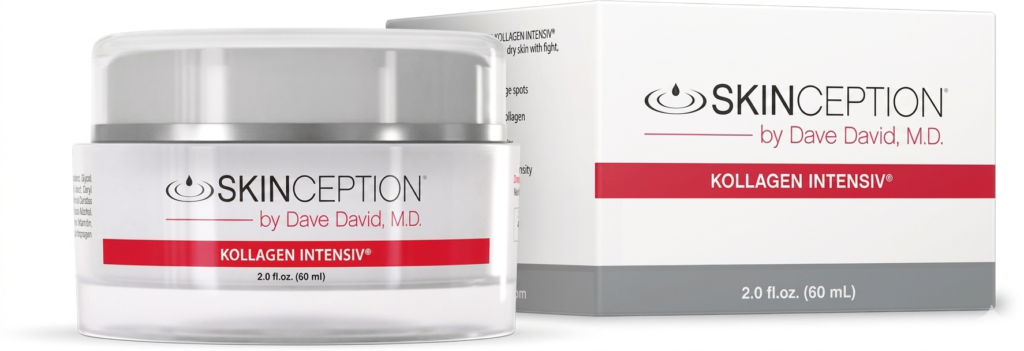
Kollagen Intensiv is one product you may want to explore if you’re interested in a collagen-focused approach to skincare.
The important point is to view it as part of a broader skincare strategy—not as a replacement for sensible daily habits.
Understanding what a product is designed for, how it fits into your routine, and whether it matches your particular skincare priorities can help you make a more informed decision.
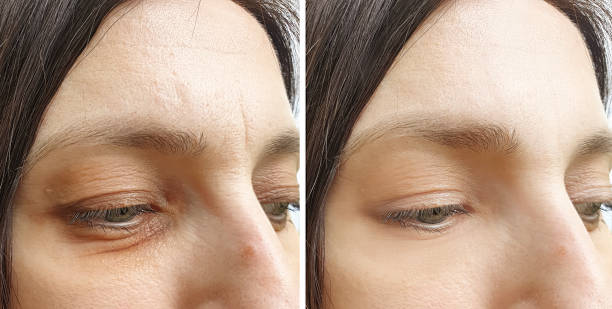
Small Habits Can Make Your Routine More Meaningful
Looking after the eye area doesn’t have to mean buying an endless collection of products.
The habits you repeat every day matter.
Being gentle when removing makeup, protecting your skin from excessive sun exposure, getting consistent sleep, staying mindful of screen-related eye fatigue, maintaining hydration, and avoiding unnecessary rubbing are all sensible places to start.
And when you’re ready to explore products for the visible signs of skin aging, take the same approach: look beyond the marketing and understand what you’re actually choosing.
If collagen-focused skincare is something you’ve been considering, learning more about Kollagen Intensiv may be a useful next step.
The goal isn’t to chase perfection.
It’s to build a routine that supports healthier-looking, more cared-for skin—and to make choices that genuinely make sense for you.
⭐⭐⭐⭐⭐Kollagen Intensiv™ 74 reviews