Discover the everyday habits, hidden lifestyle factors, and skincare choices that may be preventing your eyes from looking bright, refreshed, and youthful—and learn simple ways to help restore a healthier appearance.
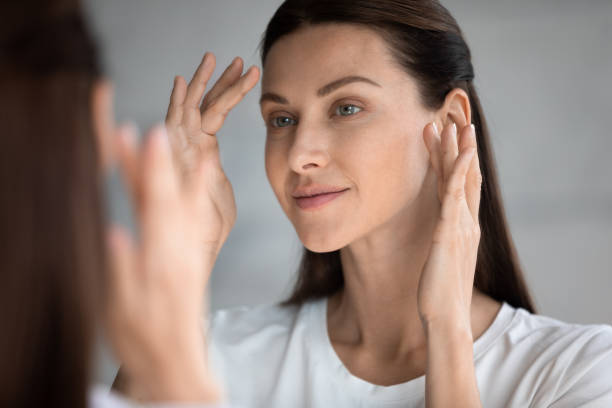
If you’ve ever looked in the mirror and wondered why your eyes seem dull, tired, or less vibrant than they used to, you’re not alone. Even with a good skincare routine, many people notice their eye area gradually losing its fresh appearance over time.
The good news? There usually isn’t just one reason behind it.
Understanding the factors that influence the delicate skin around your eyes can help you make smarter skincare and lifestyle choices that support a brighter, healthier-looking appearance.
Why Eye Radiance Matters
The skin surrounding your eyes is thinner and more delicate than almost anywhere else on your body. Because of this, it tends to reflect changes happening both inside and outside your body much sooner than other areas.
When your eyes appear bright and well-rested, your entire face often looks healthier and more youthful. On the other hand, dull-looking eyes can make you appear more tired than you actually feel.
Fortunately, many of the contributing factors are manageable once you know what to look for.
The Everyday Factors That Can Affect Eye Radiance

Collagen Naturally Declines With Age
One of the biggest changes that occurs over time is the gradual decline in collagen production.
Collagen provides structure and firmness to the skin. As production slows, the under-eye area may appear thinner, making shadows, fine lines, and uneven texture more noticeable.
This natural process begins earlier than many people realise, which is why prevention often matters just as much as treatment.
Your Skin May Be Dehydrated
Even mild dehydration can influence how refreshed your skin appears.
When skin lacks moisture, it can lose some of its natural plumpness, making fine lines and dryness more noticeable around the eyes.
Simple habits that can help include:
- Drinking enough water throughout the day
- Using a gentle hydrating eye cream
- Avoiding overly harsh cleansers
- Supporting your skin barrier with moisturizing ingredients
Hydrated skin generally reflects light more evenly, contributing to a healthier appearance.
Sleep Quality Matters More Than Sleep Quantity
Many people focus only on the number of hours they sleep.
However, poor-quality sleep can sometimes have a greater impact than getting one hour less.
Interrupted sleep may contribute to:
- Puffiness
- Darker-looking under-eye shadows
- A tired facial appearance
- Reduced skin recovery overnight
Creating a consistent bedtime routine may help your skin recover more effectively.

Common Mistakes That Can Make Eyes Look Less Radiant
Sometimes it’s not what you’re doing—it’s what you’re doing repeatedly without realising the long-term effects.
Common mistakes include:
- Rubbing the delicate eye area too aggressively
- Skipping sunscreen around the eyes
- Using skincare products that cause irritation
- Sleeping with makeup on
- Ignoring daily hydration
Small habits often add up over months and years.
Lifestyle Factors People Often Overlook
Many people invest heavily in skincare while overlooking daily habits that influence skin health.
Some examples include:
High Stress Levels
Long-term stress may affect your body’s natural repair processes.
When stress becomes chronic, many people notice their skin appears less vibrant overall, including around the eyes.
Limited Nutrient Intake
Healthy-looking skin relies on a variety of vitamins, minerals, antioxidants, and protein.
A balanced diet rich in colourful fruits, vegetables, healthy fats, and lean proteins supports normal skin function.
Too Much Screen Time
Extended screen use may encourage reduced blinking, which can contribute to dry, tired-looking eyes.
Taking regular breaks using the 20-20-20 rule—looking 20 feet away for 20 seconds every 20 minutes—may help reduce eye strain.

Why Many People Overlook This Issue
Most people assume the solution lies in buying another eye cream.
While topical skincare certainly plays an important role, it represents only one piece of the puzzle.
Eye appearance is influenced by a combination of:
- Skin hydration
- Lifestyle habits
- Nutrition
- Sleep
- Sun protection
- Natural collagen changes
- Consistent skincare
When these areas work together, results are often more noticeable than relying on a single product alone.
Practical Tips You Can Start Today
Improving the appearance of your eye area doesn’t necessarily require a complete skincare overhaul.
Instead, focus on building consistent habits such as the following:
- Wearing sunglasses outdoors to reduce sun exposure.
- Applying sunscreen every morning.
- Getting consistent, high-quality sleep.
- Staying well hydrated.
- Eating antioxidant-rich foods.
- Using gentle skincare products designed for delicate skin.
- Avoiding unnecessary rubbing or tugging around the eyes.
Over time, these small improvements may support healthier-looking skin and a brighter overall appearance.

Supporting Skin From the Inside and Outside
Healthy-looking skin often benefits from a combination of topical care and internal nutritional support.
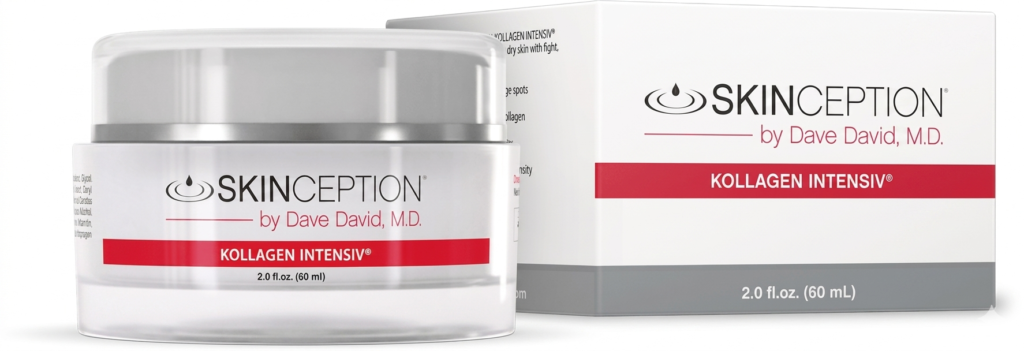
This is one reason many people also explore products such as Kollagen Intensiv. Rather than replacing a good skincare routine, it’s commonly used alongside healthy habits to help support smoother, firmer-looking skin around the eyes. When combined with consistent hydration, sun protection, and balanced nutrition, it may contribute to a more refreshed overall appearance.
If you’re curious about improving the appearance of the eye area, learning more about how collagen-supporting skincare fits into a broader routine can be a worthwhile next step.
Myth vs. Fact

Myth: Expensive skincare automatically produces better results.
Fact: Consistency, appropriate ingredients, and healthy daily habits often matter more than price.
Myth: Dark-looking eyes are always caused by lack of sleep.
Fact: Genetics, skin thickness, ageing, hydration, allergies, and lifestyle habits can all play a role.
Myth: The eye area doesn’t need sunscreen.
Fact: Daily UV exposure contributes to premature skin ageing, making sun protection one of the simplest preventive steps.
Myth: Results happen overnight.
Fact: Healthy-looking skin typically improves gradually through consistent daily care.
Frequently Asked Questions
Why do my eyes look tired even after sleeping?
Several factors besides sleep can influence eye appearance, including hydration, stress, allergies, natural collagen loss, and sun exposure.
Can drinking more water improve the appearance of my eyes?
Proper hydration supports overall skin health and may help skin appear smoother and healthier, although hydration alone won’t address every cause of tired-looking eyes.
At what age does collagen begin to decline?
Natural collagen production generally begins decreasing in early adulthood and continues gradually over time.
Does sunscreen really matter around the eyes?
Yes. Daily sun protection helps reduce cumulative UV damage, which contributes to premature skin ageing.
Is one skincare product enough?
Usually not. The healthiest-looking skin typically comes from combining quality skincare with healthy lifestyle habits and long-term consistency.
Key Takeaways
If your eyes seem less radiant than they once did, remember that multiple factors are usually involved.
The most common influences include:
- Natural collagen decline
- Dehydration
- Poor sleep quality
- Daily sun exposure
- Stress
- Nutrition
- Skincare habits
- Screen time
- Everyday lifestyle choices
Addressing these factors together often produces better long-term improvements than focusing on just one.
Final Thoughts
Healthy, radiant-looking eyes rarely come from a single miracle product. Instead, they’re usually the result of small, consistent habits practised over time.
By protecting your skin, staying hydrated, eating well, prioritising sleep, and using supportive skincare, you can give the delicate eye area the attention it deserves.
If you’re looking to complement those healthy habits, Kollagen Intensiv may be worth exploring as part of your overall skincare routine. It is designed to support healthier-looking skin around the eyes and fits naturally into a long-term approach rather than offering quick fixes.
If you’d like to learn more, click the affiliate link to discover how Kollagen Intensiv works, explore its ingredients, and decide whether it’s a good addition to your skincare routine. The best beauty decisions are informed ones—and investing in the health of your skin today can help your eyes look their brightest for years to come.
⭐⭐⭐⭐⭐ Trusted by Thousands of Happy Customers • 67-Day Money-Back Guarantee